Nigeria’s Federal Government has signalled a strategic shift from aggressive economic reforms to ensuring policy consistency, as it seeks to attract long-term investment and drive sustainable growth.
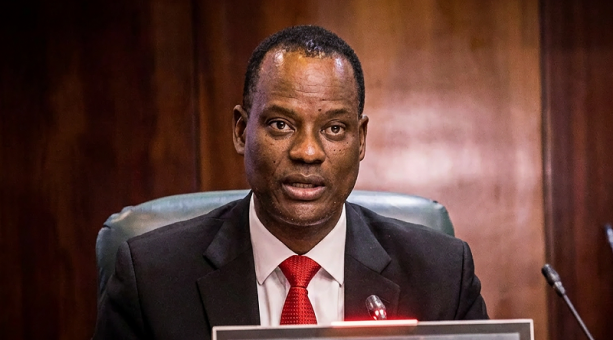
The Minister of Finance and Coordinating Minister of the Economy, Taiwo Oyedele, made this known during the Private Sector Outlook Forum organised by the Nigerian Economic Summit Group (NESG) in Lagos.
Oyedele described the current phase of Nigeria’s economic journey as a crucial transition point, noting that the country is moving from stabilisation towards sustained economic expansion.
He explained that while recent reforms addressed structural challenges, the next priority is translating those efforts into real economic gains such as job creation and productivity growth.
According to the minister, investment—not just policy reform—is the true engine of economic growth.
He emphasised that consistency in government policies is essential to building investor confidence and attracting both local and foreign capital.
Oyedele warned that frequent policy changes could discourage investors, stressing that predictability is key to long-term economic planning.
He noted that recent fiscal reforms have improved transparency, strengthened coordination, and enhanced financial discipline within the system.
However, he added that maintaining credibility and stability in policy implementation will determine whether investors remain committed to Nigeria’s economy.
The minister highlighted regulatory trust, institutional accountability, and a stable business environment as major factors that would shape investment inflows.
He said government efforts would now focus on improving the ease of doing business, strengthening financial markets, and refining regulatory systems.
Oyedele also pointed to partnerships with development institutions and frameworks like the African Continental Free Trade Area (AfCFTA) as critical to boosting economic opportunities.
He stressed that effective execution of policies—not just their design—would ultimately define the success of Nigeria’s reform agenda.
While acknowledging challenges such as inflation, global economic volatility, and geopolitical risks, Oyedele expressed optimism about Nigeria’s growth outlook.
He urged the private sector to adopt a long-term investment approach, improve governance practices, and support inclusive economic development.