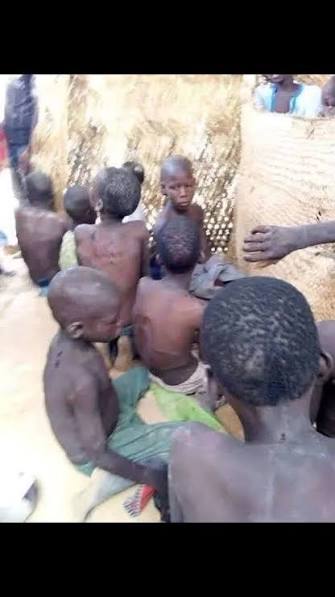
The coalition of women’s rights and civil society groups, Womanifesto Nigeria, has condemned the growing wave of abductions targeting women and girls, urging urgent rescue of those still held captive.
Dr. Abiola Akiyode-Afolabi, Chairperson of Womanifesto Nigeria, described the attacks on schools, communities, and travelers as a worsening national security crisis disproportionately affecting women and children across Nigeria.
“Children belong in classrooms, safe homes, and protected communities, not in forests or bandits’ hideouts,” she stated during a press briefing on Wednesday.
Dr. Akiyode-Afolabi emphasized the trauma inflicted on families as women and children continue to be abducted. Highlighting incidents in Borno, Oyo, and parts of South-West Nigeria, she noted that abducted women include those traveling, farming, or living in rural areas, sometimes even pregnant or nursing mothers.
Recent reports indicate that in Kwara State, over 170 residents, mainly women and children, were kidnapped from communities in Kaiama Local Government Area and surrounding regions. She warned that delayed rescue operations exacerbate victims’ exposure to sexual abuse, physical harm, and psychological trauma.
“These recurring kidnappings demonstrate systemic failures in security, protection, and law enforcement. Families should not have to negotiate ransoms or plead publicly for government intervention,” she added.
Dr. Akiyode-Afolabi also cautioned against the normalization of abductions, noting that fear is increasingly dictating daily life, with parents withdrawing children from schools and women avoiding public spaces.
The coalition called on the Federal Government and security agencies to intensify rescue operations, secure schools, highways, and vulnerable communities, and ensure transparent investigations and prosecution of perpetrators.
Additionally, she urged provision of psychosocial support, medical care, and reintegration assistance for survivors, alongside adoption of gender-responsive security strategies recognizing the unique risks faced by women and girls in conflict situations.
“Nigeria cannot continue to lose women and children to violence while authorities offer assurances without action,” she concluded.