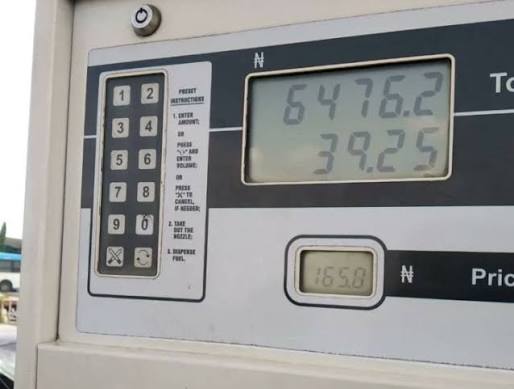
Motorists in the Federal Capital Territory (FCT) have raised concerns about alleged fuel under-dispensing at several service stations, claiming that some pumps are deliberately adjusted to shortchange customers.
The complaints, reported across areas including Dei-Dei, Central Area, Dutse, Nyayan, Mararaba, and Kubwa, suggest that drivers are paying for fuel amounts they do not actually receive. Many have reportedly been forced to park their vehicles due to the high cost of petrol combined with the under-delivery.
One motorist, Mr. Abdul Danladi, described using a 25-litre jerry can to ensure he received the full quantity, as pump meters often displayed the correct amount without actually dispensing it.
Another commuter, Mrs. Ladi Odika, said some attendants distract customers with small purchases or flattery while manipulating meters. She stressed the need for government intervention, particularly in light of rising fuel prices and economic hardships.
Commercial drivers tend to prefer stations operated by major marketers such as MRS and NNPC, citing reliable meters, while independent stations face declining patronage due to suspected malpractice.
Experts and regulators are taking notice. Dr. Aliyu Ilias, a customer experience specialist, urged the Nigerian Midstream and Downstream Petroleum Regulatory Authority (NMDPRA) to intensify monitoring and suggested deploying mystery shoppers and surprise inspections to verify fuel dispensing.
Meanwhile, Mr. Chinedu Ukadike, National Publicity Secretary of the Independent Petroleum Marketers Association (IPMAN), condemned any diversion or sharp practices, warning that unethical operations threaten investor confidence and the nation’s energy security.
George Ene-Ita, Director of Public Affairs at NMDPRA, said the agency is investigating the complaints and has implemented field surveillance to test pumps, meters, and underground tanks. He emphasized that public reporting is vital for ensuring compliance.
Authorities and stakeholders are now working to safeguard consumer rights and ensure motorists receive accurate fuel quantities, a step seen as crucial to maintaining trust and stability in Nigeria’s petroleum sector.