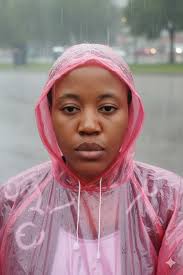
As heavy rainfall continues across Lagos State, many residents are shifting from conventional umbrellas to nylon raincoats for easier movement, better body coverage and lower cost.
The trend is becoming common among commuters, traders, schoolchildren, public servants, motorcyclists and other residents who move around the city during the rainy season.
Some Lagos residents said nylon raincoats have become a more practical option because they are lighter, cheaper and easier to carry than umbrellas.
Mr Adedipe Muhammed, a public servant, said raincoats offer better protection because they cover most parts of the body.
He said umbrellas are often stressful to carry and can easily be forgotten in buses, offices or public places.
According to him, the rising cost of goods has also influenced the decision of many residents to choose cheaper rain protection items.
Muhammed said nylon raincoats reduce stress and remain affordable for many people.
An undergraduate, Mr Joshua Okoh, who lives at Ojo Barracks, said umbrellas are not convenient for his daily movement around Lagos.
Okoh said he prefers raincoats because he can wear one and move freely without needing to hold anything in his hand.
He added that raincoats provide better protection during heavy rain, especially when walking long distances or using public transport.
According to him, the prices of raincoats depend on their quality and texture.
He said lighter nylon raincoats sell for between ₦500 and ₦1,000, while thicker ones cost between ₦2,500 and ₦3,000.
Okoh noted that many people now prefer raincoats because they are cheaper, easier to use and less stressful during rainfall.
Miss Abdullateef Halifax, a frozen food seller at Iyana Ipaja, said raincoats are more useful to her because they protect both her hair and body.
She said umbrellas often leave the lower part of the body exposed, especially during heavy rain and windy conditions.
Halifax said she prefers raincoats because they are cheaper and more protective.
Mr Ibrahim Sulaiman, a phone repairer at Computer Village in Ikeja, said umbrellas are easily misplaced and have become more expensive.
He said nylon raincoats are more affordable for low-income earners and daily commuters who need simple rain protection.
Sulaiman said many people now see raincoats as the most practical option because they are easy to wear and easy to replace.
Mrs Blessing Addo, a carbonated drinks seller in Apapa, said she uses a nylon raincoat because it can be folded and kept inside her handbag.
She said raincoats were once seen as items mostly used by informal workers, but that perception is changing.
According to her, bankers, government workers and other formally dressed residents now wear nylon raincoats without embarrassment.
Addo said people are beginning to focus more on convenience and affordability than social perception.
She noted that nylon raincoats sold for about ₦200 last year but now cost between ₦500 and ₦1,000.
Mrs Kehinde Wale also said the rising price of umbrellas has pushed many Lagos residents toward nylon raincoats.
She said the cheaper cost of nylon raincoats has made them more attractive during the current rainy season.
Umbrellas have long been used for protection against both sun and rain, but residents said many low-cost umbrellas are not durable during strong winds and heavy downpours.
With rainfall becoming more intense in Lagos, nylon raincoats are now gaining wider acceptance as a cheaper and more convenient alternative for daily movement.