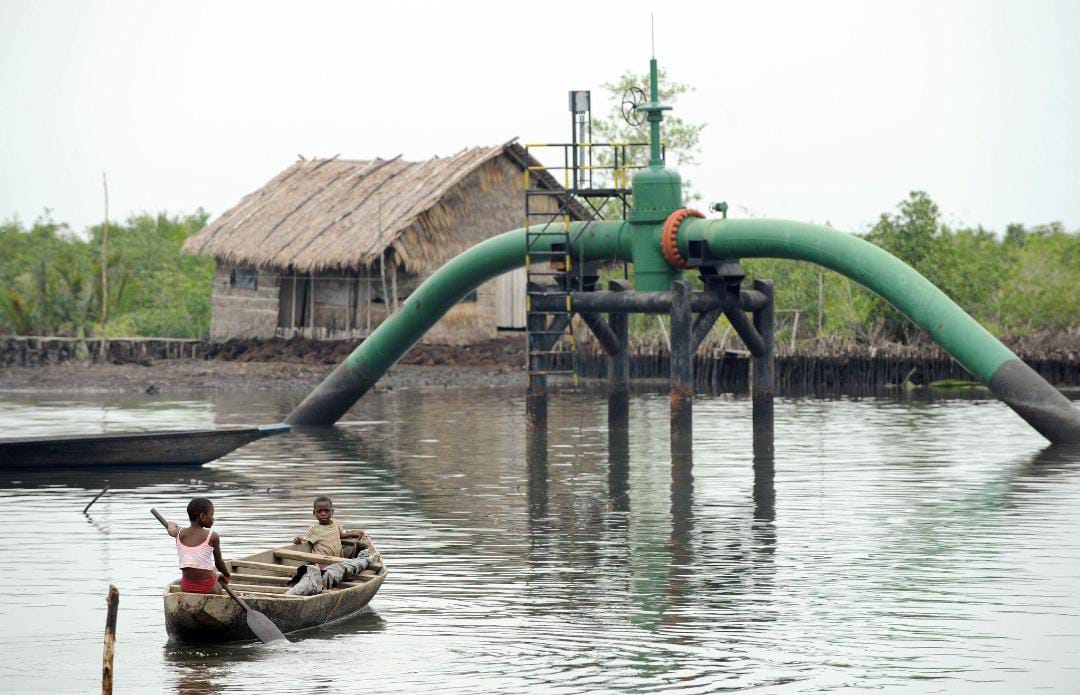
A civil society organisation has called for an increase in the statutory allocation to oil-producing host communities from three per cent to 15 per cent of petroleum operators’ qualifying operating expenditure, arguing that the existing provision cannot adequately address environmental damage and infrastructure deficits in the Niger Delta.
The Network Advancement Program for Poverty and Disaster Risk Reduction (NAPPDRR) made the demand in a statement issued in Abuja on Monday, November 2, 2026.
Its Founder and Executive Director, Emem Edoho, urged the Federal Government, National Assembly, Nigerian Upstream Petroleum Regulatory Commission (NUPRC) and international oil companies to support amendments to the Petroleum Industry Act (PIA) 2021.
CSO Seeks Review of Petroleum Industry Act
Edoho said the current three per cent contribution to host community development trusts was insufficient to address the long-term effects of petroleum exploration and production.
He identified oil spills, gas flaring, polluted waterways, damaged farmland and declining fishing activities among the challenges facing oil-producing communities.
According to him, communities in Esit Eket, Eket, Ibeno and Onna local government areas of Akwa Ibom State have experienced environmental and economic pressures linked to petroleum operations.
He argued that increasing the statutory contribution to 15 per cent would provide more resources for development projects and environmental recovery.
Oil Pollution Threatens Livelihoods, Group Says
The NAPPDRR director expressed concern about the loss of traditional livelihoods in communities that depend on fishing and farming.
He said environmental degradation had reduced economic opportunities while increasing the need for alternative sources of income.
Edoho also raised concerns about possible health consequences associated with long-term exposure to pollution.
He called for greater investment in healthcare facilities, health insurance, clean drinking water and environmental protection.
The group maintained that the existing funding arrangement could not adequately meet the scale of these needs.
Niger Delta Communities Need Infrastructure Investment
Edoho said oil-producing communities continued to face substantial infrastructure challenges despite their contributions to Nigeria’s petroleum industry.
He identified roads, schools, coastal protection and essential public services as areas requiring additional investment.
According to him, improved funding could also support skills development, youth employment and small business opportunities.
He argued that addressing economic hardship and community grievances would help reduce tensions and encourage stability in oil-producing areas.
The group called for a larger share of qualifying petroleum operating expenditure to be directed towards host community development.
NAPPDRR Commends EMOIMEE Host Community Trust
Despite its criticism of the statutory three per cent contribution, NAPPDRR praised the Eket, Mkpat Enin, Onna, Ikot Abasi, Mbo, Esit Eket and Eastern Obolo (EMOIMEE) Host Community Development Trust.
The organisation said the trust had demonstrated transparency, accountability and community participation in managing development funds.
Edoho commended its Board of Trustees and Management Committee for engaging stakeholders, identifying community priorities and supporting development initiatives.
He said the trust’s approach reflected the objectives of the Petroleum Industry Act.
The NAPPDRR director also called for the reappointment of the trust’s existing leadership to sustain ongoing projects and build on previous achievements.
What the Petroleum Industry Act Provides
Under Section 240 of the Petroleum Industry Act 2021, applicable petroleum operators are required to contribute three per cent of their actual annual operating expenditure in the preceding financial year, relating to relevant upstream petroleum operations, to host community development trusts.
The contribution is not calculated as three per cent of company profits or total petroleum revenue.
The trusts are intended to support community development, improve relations between operators and host communities, and provide a structured mechanism for managing development funds.
Raising the statutory contribution to 15 per cent would require changes to the existing legal framework.
Debate Over Host Community Funding Continues
The latest proposal adds to continuing discussions about how Nigeria should distribute the benefits and costs of petroleum production.
NAPPDRR maintains that a higher contribution would provide additional resources for communities affected by oil operations.
However, the financial and operational implications of increasing the rate would require consideration by lawmakers, regulators, petroleum operators and host community representatives.
The group’s demand has not been presented as an approved government policy or an amendment already adopted by the National Assembly.