


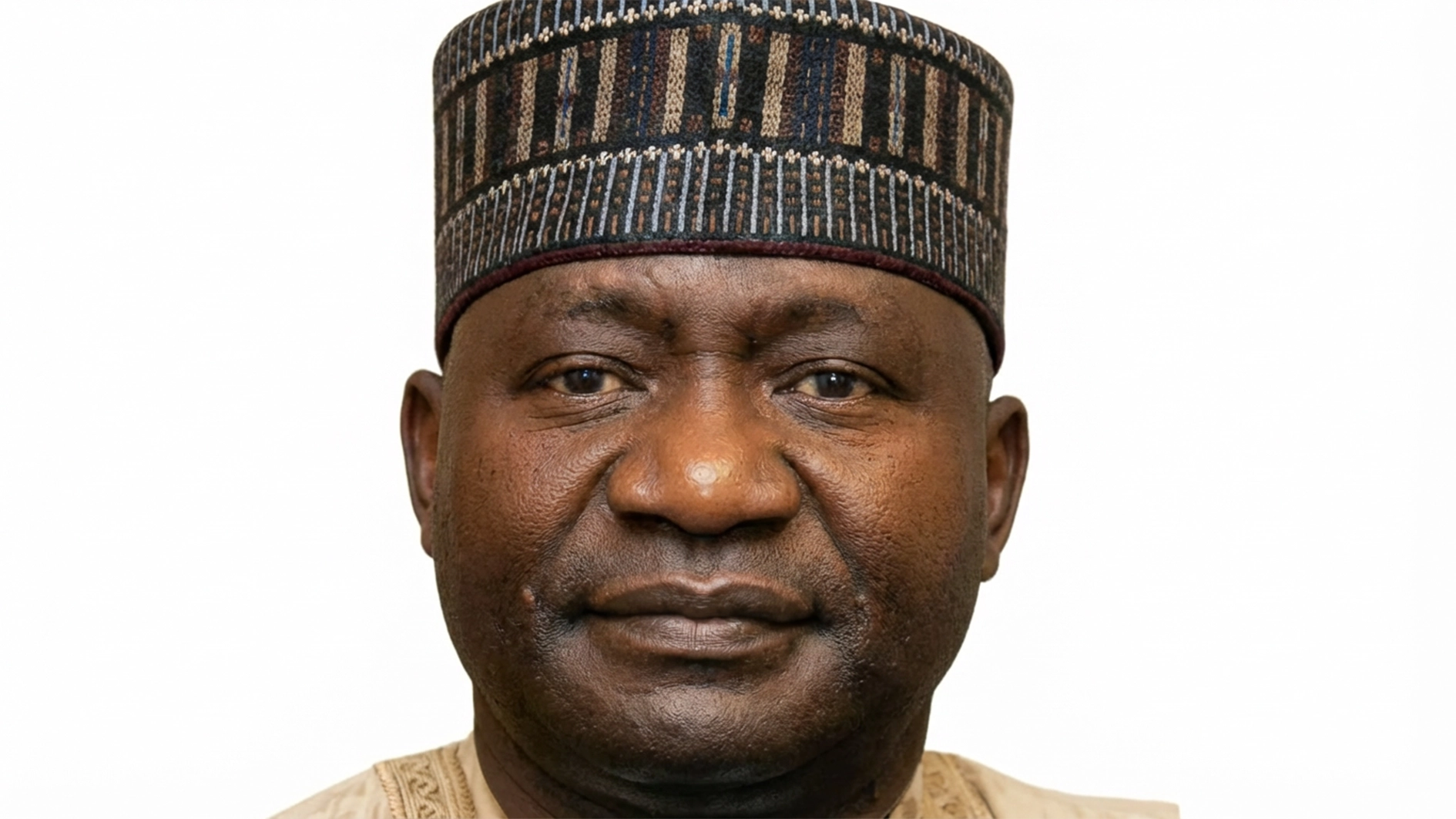
Nigeria’s Minister of Defence, retired General Christopher Musa, has urged security agencies to strengthen intelligence gathering, embrace modern technology and improve cooperation in the fight against terrorism, banditry and other threats to national security.
The minister said military operations remained essential, but lasting security would require a greater ability to detect threats, track criminal networks and prevent attacks before they occur.
His position was presented on Monday, October 12, 2026, at the Defence Correspondents Association of Nigeria (DECAN) National Security Conference and Awards Ceremony in Abuja.
According to our correspondent, Musa was represented by his Senior Special Adviser on Foreign Relations, retired Air Commodore Steven Ogunmodede.
The conference focused on the growing importance of intelligence and technology in national security operations beyond conventional military combat.
Why Nigeria Needs a Different Security Approach
Musa explained that the success of security operations should not be measured solely by the number of military deployments, arrests or territories recovered from armed groups.
He argued that preventing violence through timely intelligence could be just as important as defeating criminals during armed confrontations.
The minister identified the changing methods of terrorist organisations and criminal networks as a major challenge for security agencies.
He noted that such groups increasingly take advantage of technological developments, financial channels and weaknesses in communication between institutions.
For this reason, he called for better intelligence sharing, careful operational planning and closer cooperation among Nigeria’s security organisations.
Technology Must Support, Not Replace, Security Personnel
The defence minister also highlighted the growing role of technology in monitoring security threats and supporting military decisions.
He said modern surveillance equipment, reconnaissance systems, secure communications and intelligence analysis could help security personnel respond more quickly and accurately.
However, Musa stressed that equipment alone would not guarantee success.
He maintained that trained personnel, dependable systems and sound professional judgement remained necessary for effective security operations.
He also called for continued improvement in operational methods to ensure that spending on new technology produced meaningful results in protecting lives and securing Nigeria’s borders.
Security Agencies Urged to Work Together
Another major concern raised by the minister was the need for stronger cooperation across Nigeria’s security institutions.
He explained that individual agencies could not effectively address every threat without sharing relevant information and coordinating their activities.
The proposed approach would combine traditional military operations with improved intelligence, joint planning and appropriate technological support.
Musa’s remarks come as Nigeria continues to face several forms of insecurity, including insurgent attacks in the North-East, armed banditry and kidnapping in the North-West, and other violent conflicts in different parts of the country.
Research by the Armed Conflict Location & Event Data Project (ACLED) shows that the country’s security problems involve different armed groups operating across multiple regions.
The continuing threat has increased attention on early-warning systems, intelligence coordination and the ability of security agencies to disrupt planned attacks.
Tinubu Administration’s Security Reforms
The minister’s position follows earlier commitments by President Bola Tinubu’s administration to modernise Nigeria’s security operations.
In July 2026, the presidency announced plans to expand the use of emerging technologies and strengthen intelligence-based military operations.
The government subsequently announced, in August, the preparation of a national threat assessment and a five-year strategic defence operations plan aimed at improving coordination, identifying security gaps and guiding future defence investments.
These initiatives reflect the government’s stated intention to combine military strength with intelligence, technology and stronger institutional cooperation.
Defence Minister Calls for Responsible Security Reporting
Musa also addressed the relationship between the Armed Forces and journalists covering defence and national security.
He acknowledged the media’s responsibility to keep Nigerians informed and scrutinise the activities of security institutions.
However, he cautioned that publishing unverified information or sensitive operational details could endanger security personnel, expose civilians to harm and disrupt ongoing missions.
The minister explained that successful intelligence operations might not always attract public attention, particularly when attacks were prevented before they happened.
He encouraged defence correspondents to maintain professional standards while recognising the potential security consequences of disclosing sensitive information.
At the same time, he urged security institutions to communicate accurately and promptly whenever circumstances permitted.
Musa maintained that responsible journalism and effective military operations could work together to build public confidence and promote accountability.
During the ceremony, the defence minister was also honoured with the position of Grand Patron of the Defence Correspondents Association of Nigeria.