


The Confederation of African Football (CAF) has reported a net profit of $31.2 million, with total revenue rising to $284 million in its 2026 financial year.
The financial performance is contained in CAF’s 2026 Annual Financial Statements presented at its 48th Ordinary General Assembly in Abuja on Saturday.
The figures represent a significant turnaround from five years ago when the continental football governing body was reportedly facing a financial crisis with debts exceeding $100 million.
CAF President, Patrice Motsepe, said the organisation’s financial turnaround was driven by a five-year strategy aimed at achieving financial stability and long-term sustainability.
Motsepe said the confederation’s revenue increased by more than 200 per cent, while its reserves moved from a deficit of $16.8 million to a surplus of $14.4 million.
The organisation also recorded a cash balance of $118.8 million at the end of its financial year in June 2026.
The improved financial position has enabled CAF to increase funding for its 54 member associations, six zonal unions, clubs and competitions across the continent.
Annual financial support to each Member Association increased by 250 per cent, from $200,000 in 2021 to $700,000 in July 2026.
The increase represents 70 per cent of CAF’s target of providing one million dollars annually to each member association to strengthen football development, administration and youth and women’s football.
Similarly, annual financial allocations to each of CAF’s six zonal unions increased by 80 per cent, from $500,000 in 2021 to $900,000 in 2026.
Investment in African club football also rose by 153 per cent, from $19 million in 2021 to $48 million in 2026.
The winners of CAF Champions League now receive $6 million, compared with $2.5 million in 2021, while the Confederation Cup winners earn $4 million, up from $1.25 million.
CAF also increased solidarity payments to clubs eliminated in the preliminary rounds of its interclub competitions from $50,000 to $100,000 per club.
In national team competitions, the winners of the 2025 Africa Cup of Nations in Morocco received a record $10 million, double the $5 million awarded in 2021.
The overall prize money for the competition also increased by more than 40 per cent, from $24.8 million in 2021 to $35 million in 2025.
Women’s football equally benefitted from the increased investment, with the winners of the 2026 Women’s Africa Cup of Nations receiving $2 million, compared with $200,000 in 2021.
The overall prize fund for the women’s competition rose from $975,000 in 2021 to $5.8 million in 2026, while the number of participating teams increased from 12 to 16.
On financial accountability, CAF said it had addressed a decade-long gap in timely financial reporting, presenting two sets of accounts in 2026 as part of efforts to strengthen transparency and financial management.
The organisation said its improved financial position would provide a sustainable foundation for continued investment in the development and growth of African football.
Meanwhile, CAF has adopted Kiswahili as its fifth official language in a historic decision aimed at promoting Africa’s linguistic and cultural diversity.
The decision was reached at the 48th CAF Ordinary General Assembly held in Abuja, with representatives of the continent’s 54 Member Associations in attendance.
Kiswahili joins English, French, Arabic and Portuguese as official languages recognised under the CAF statutes.
CAF said the move reflected its commitment to embracing Africa’s linguistic and cultural diversity and strengthening the representation of African languages in football administration across the continent.
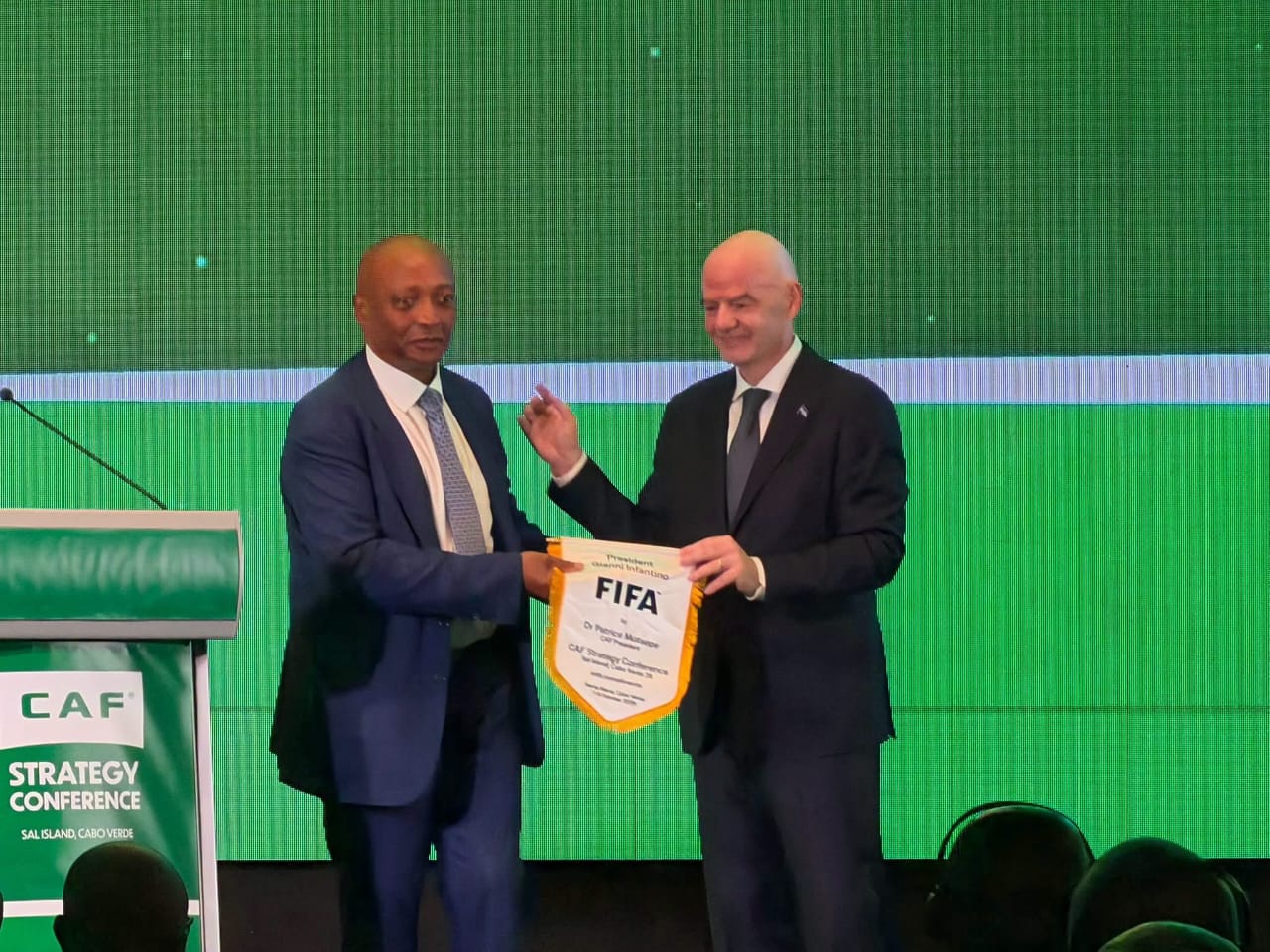
The assembly also reaffirmed its unanimous support for FIFA President Gianni Infantino’s re-election bid ahead of the 77th FIFA Congress scheduled for March 18, 2027, in Rabat, Morocco.
Infantino, who assumed office in February 2016, is seeking another term as head of world football’s governing body.
CAF President Patrice Motsepe also thanked President Bola Tinubu, the Nigerian Government, the Nigeria Football Federation (NFF) and Nigerians for their hospitality and continued support for African football.
The assembly was attended by CAF Executive Committee members, Vice-Presidents, sponsors, partners, international football stakeholders and African football legends.