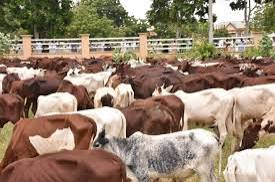
The Miyetti Allah Cattle Breeders Association of Nigeria (MACBAN) has raised concerns that increasing imports of beef and other meat products could weaken Nigeria’s domestic livestock industry if urgent measures are not taken.
The association’s National President, Baba Othman-Ngelzarma, expressed the concern in a statement issued in Abuja on Monday.
He said the group was worried about reports indicating a rise in imported meat products entering the Nigerian market.
MACBAN Calls for Fair Competition
Othman-Ngelzarma clarified that MACBAN was not against international trade or legitimate competition within the livestock sector.
However, he warned against policies that could expose Nigerian livestock producers to unfair competition from countries with more advanced production systems.
According to him, such practices could weaken local businesses and reduce investment in Nigeria’s livestock value chain.
Lessons From Rice Import Experience
The MACBAN president compared the situation to developments in Nigeria’s rice industry, where he said increased imports had affected local producers despite improvements in domestic production.
He said local rice production had grown significantly, reaching almost self-sufficiency, but competition from imported rice had created difficulties for farmers and investors.
He urged policymakers to avoid a similar outcome in the livestock sector.
Livestock Producers Face Multiple Challenges
Othman-Ngelzarma said Nigerian livestock producers were already dealing with several difficulties, including: Rising feed prices, high transportation costs, insecurity, reduced grazing areas, limited infrastructure, difficulty accessing affordable finance, climate-related pressures
He warned that exposing producers to direct competition with highly developed foreign livestock industries could force many farmers out of business.
Livestock Industry Supports Millions of Jobs
The MACBAN leader said the livestock sector contributes to the livelihoods of millions of Nigerians involved in different stages of production and distribution.
He listed pastoralists, farmers, animal feed producers, traders, transporters, butchers, processors and veterinary professionals among those dependent on the industry.
He urged the Federal Government to examine how increased meat imports could affect: Domestic production, employment, investment, food security
Government Should Prioritise Local Production
Othman-Ngelzarma called for a strategic trade approach rather than policies that increase dependence on imported meat.
“Before further liberalising the market, Nigeria should pursue strategic trade, not import dependency,” he said.
He explained that where imports become necessary because of genuine supply shortages, they should support local production rather than replace Nigerian producers.
MACBAN Supports Livestock Reforms
The association commended the Federal Government’s recent investments and reforms in the livestock sector, saying the initiatives could improve productivity and strengthen local producers.
However, MACBAN stressed that it was not demanding a closed market.
The association called instead for policies that create a level playing field and protect producers while ensuring consumers have access to quality meat products.