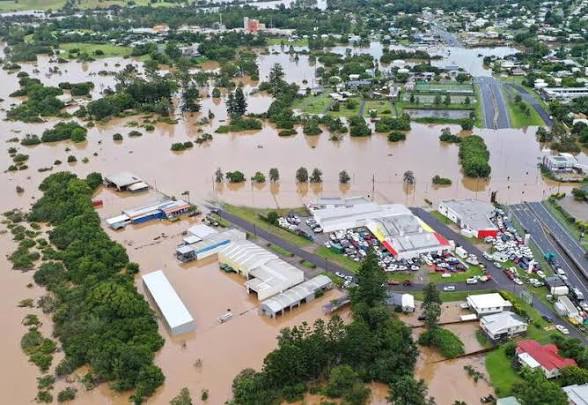
As the 2026 rainy season commences, authorities in Kaduna, Kano, and Katsina states have launched proactive measures to mitigate the risk of flooding and erosion.
The Nigerian Meteorological Agency and the Nigeria Hydrological Services Agency have identified several northern states, including Kaduna, as high-risk areas for flooding this year. In response, the Kaduna State Emergency Management Agency (KADSEMA) has activated emergency plans, including evacuation protocols for residents in vulnerable communities.
Usman Mazadu, Executive Secretary of KADSEMA, said flood risk assessments and public sensitisation campaigns are ongoing in flood-prone areas such as Rafin Guza, Malali, Ramat Road, Sabon Tasha, Bashama, and Nasarawa The state has also set up the 2026 Flood Emergency Operations and Flood Tactical Response Teams to coordinate evacuations and relief efforts.
In Kano, the State Emergency Management Agency (SEMA)is clearing drainage systems across all 44 local governments to ensure water flow is unobstructed. Alhaji Isyaku Abdullahi-Kubarachi, SEMA Executive Secretary, highlighted public awareness campaigns conducted via radio, television, markets, and community centers to educate residents on proper waste disposal and flood prevention.
Similarly, in Katsina, Hajiya Binta Dangani, SEMA Executive Secretary, confirmed that residents in flood-prone areas are being sensitised to strengthen resilience and disaster preparedness in collaboration with NEMA
Environmental challenges, including blocked drains, poor town planning, indiscriminate waste disposal, and climate change, have contributed to recurring floods in the region. Hassan Ibrahim-Gama, Executive Director of Friends of the Community Organisation (FOCO) stressed that ongoing community sensitisation, drainage maintenance, and environmental hygiene campaigns are crucial to reducing flood and erosion risks.
Authorities have identified safe shelters and pre-positioned relief materials to support internally displaced persons during emergencies. They urge residents to follow official guidance and participate in community-level initiatives to enhance safety and reduce damage during the peak rainy season.