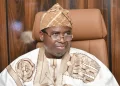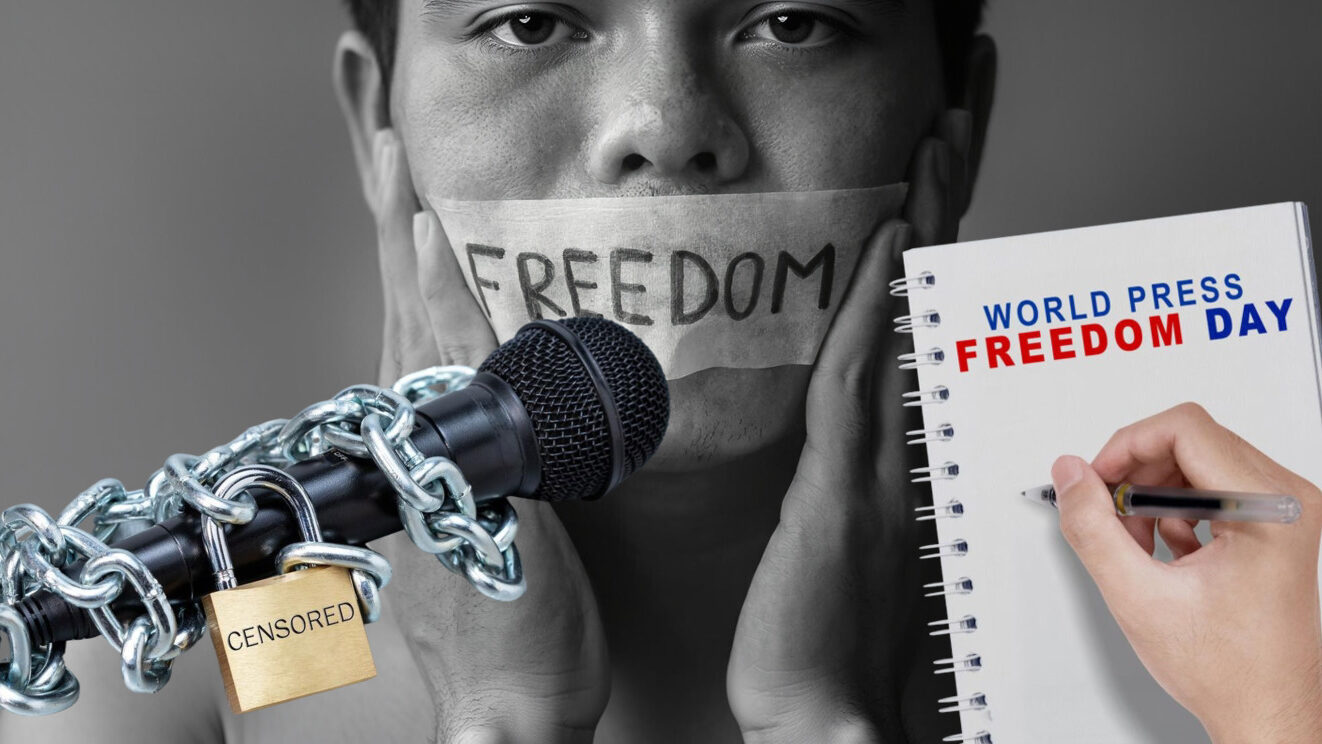
The Society for Journalism Enhancement Initiative has called on African governments to cease justifying media restrictions under the guise of national security. The group’s Convener, Dr. Gbemiga Bamidele, made the appeal on Saturday during the observance of the 2026 World Press Freedom Day.
The theme for this year’s event, “Shaping a Future of Peace: Promoting Press Freedom for Human Rights, Development, and Security,” highlighted the critical role of a free press in fostering peace and stability. Dr. Bamidele, addressing attendees, emphasized that a restricted press does not enhance security but rather hides the underlying issues that threaten it.
“A restricted press does not enhance security; it conceals insecurity,” Bamidele stated. “Across Africa, governments often justify restrictions on the media in the name of national security. In Nigeria, this has manifested in crackdowns on journalists covering protests or conflicts, attempts to regulate or restrict digital platforms, and framing critical reporting as a threat to state stability.”
Bamidele argued that such actions misinterpret the true function of the media. “The media serves as an early warning system, exposing governance failures that contribute to instability, and building public trust through transparency,” he said. “Security built on secrecy is fragile; security built on truth is sustainable.”
He further emphasized that press freedom is not a Western concept but a necessity for all societies, including those in Africa and Nigeria. “We must move beyond viewing press freedom as a foreign imposition and recognize it as a fundamental requirement for the health of our democracies,” Bamidele said.
The theme of this year’s World Press Freedom Day underscores that press freedom is integral to human rights, development, and societal peace. “True peace is not merely the absence of conflict but requires justice, inclusion, and informed public discourse—all of which depend on a free and responsible press,” he added.
Bamidele also pointed out the importance of conflict-sensitive journalism in Africa, particularly in Nigeria, where ongoing issues such as communal clashes, insurgency, and political tensions demand careful reporting. He stated that journalists could help de-escalate conflicts by providing accurate information, countering misinformation and hate speech, and promoting voices advocating for peace and dialogue.
However, the Convener noted that such roles were frequently hindered by fears of arrest, intimidation, or censorship. “Press freedom is inseparable from human rights. It ensures citizens can hold power accountable and contributes to the development of inclusive governance,” he remarked.
Despite the progress made by organizations like the Media Rights Agenda (MRA) and the International Press Centre (IPC), Bamidele highlighted ongoing challenges, including the misuse of cybercrime and security laws to detain journalists, restricted access to public information, and weak enforcement of legal protections.
“If citizens are denied access to information, human rights become abstract promises rather than lived realities,” he warned. “Press freedom contributes to development by exposing corruption, highlighting deficiencies in public services, and providing a platform for marginalized voices.”
In Nigeria, the media has been instrumental in shaping public discourse on governance reforms, economic policies, and social justice. Bamidele concluded by reiterating that true peace can only be achieved by protecting press freedom, not silencing it.