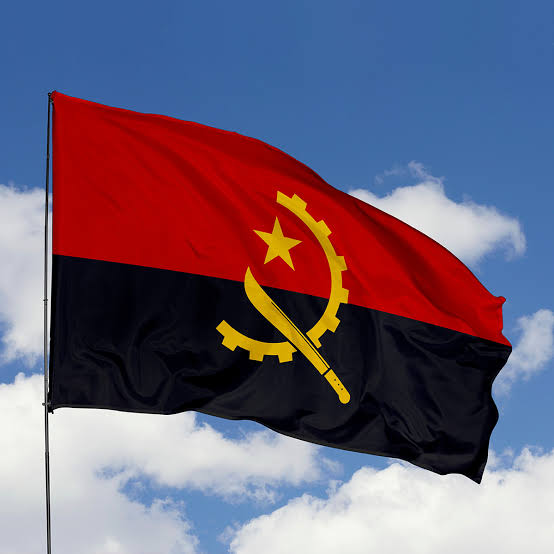
Angola has recognised Nigeria’s historic contribution to its independence in 1975, describing the relationship between the two African countries as a longstanding partnership built on solidarity, shared interests and diplomatic cooperation.
Angola’s Head of Mission to Nigeria, Benin, Niger and the Economic Community of West African States (ECOWAS), Dr José Bamóquina Zau, made the remarks during celebrations marking the country’s 51st independence anniversary in Abuja on Wednesday night.
Zau said Nigeria played an important role in supporting Angola’s independence process and subsequent efforts to consolidate its statehood following the end of Portuguese colonial rule.
He described relations between Abuja and Luanda as strategic, historic and fraternal, noting that both countries share important political and economic interests, particularly as major African oil-producing nations.
The Angolan diplomat said cooperation between the two countries had continued to expand through their Bilateral Joint Commission, which has facilitated the review and development of several agreements and memoranda of understanding.
According to him, the areas of cooperation include trade, transportation, cultural exchange, professional training, defence, public security, cybersecurity and academic partnerships.
He also highlighted new initiatives aimed at making movement between the two countries easier, including a visa-exemption agreement for holders of diplomatic and official passports.
Another development is the establishment of partnerships between Angolan provinces and Nigerian states. Under the arrangement, Namibe and Bengo provinces have been paired with Bayelsa and Nasarawa states respectively.
Zau attributed the strengthening of diplomatic relations partly to engagements between Angolan President João Lourenço and Nigerian President Bola Ahmed Tinubu.
Angola targets major increase in electricity generation
Beyond diplomatic cooperation, the Angolan envoy highlighted developments in his country’s energy sector, particularly the construction of the Caculo Cabaça Hydroelectric Dam.
He said the project was expected to begin generating electricity in 2027, adding at least 2,172 megawatts to Angola’s national power generation capacity.
According to Zau, the additional output would increase the country’s installed generation capacity from approximately 6,400 megawatts to about 8,600 megawatts.
The project is expected to strengthen electricity supply, support industrial development and improve Angola’s ability to export power to neighbouring countries.
Angola celebrates 51 years of independence
The anniversary celebration also featured the inauguration of a historical memorial gallery documenting Angola’s political and economic development, the country’s diplomatic representation in Nigeria and the history of relations between the two nations.
The gallery includes a record of Angolan ambassadors who have served in Nigeria since 1976, alongside historical materials tracing Angola’s journey before and after independence.
The event brought together members of the diplomatic community, Nigerian government representatives, investors and members of the Angolan community.
Among those present was Professor Ibrahim Agboola Gambari, former United Nations Special Representative and envoy involved in the Angolan peace process.
Zau described the gallery as a platform for preserving historical memory, promoting patriotism and strengthening public understanding of the relationship between Angola and Nigeria.
The 51st anniversary celebrations provided an opportunity for both countries to reflect on their shared history while exploring new areas of diplomatic, economic and cultural cooperation.