Nigeria says it will pursue an African Union (AU)-led solution to address recurring xenophobic attacks against Nigerians and other African migrants in South Africa.
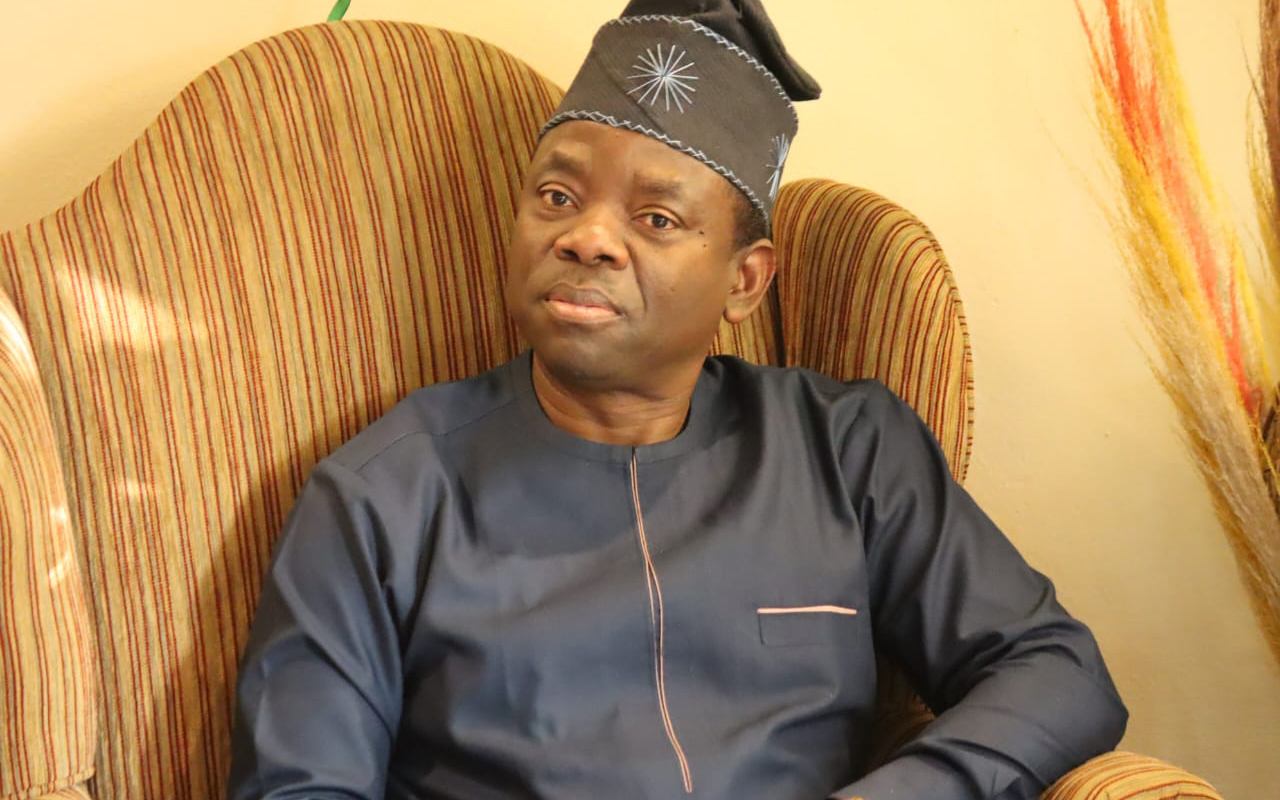
Nigeria’s Acting High Commissioner to South Africa, Amb. Temitope Ajayi, disclosed this on Friday in Pretoria during an engagement with Nigerian journalists participating in a study visit to the country.
Ajayi said the decision followed repeated incidents of attacks over the years and the need for a broader continental approach to what he described as an African challenge.
According to him, Nigeria plans to present the issue at the next AU Summit after consultations with other African countries affected by xenophobic attacks.
He said the recurrence of such incidents since 1995, including major episodes in 2008, 2014, 2019 and 2026, had made it necessary to seek a wider intervention beyond bilateral discussions.
“We are not going to aim to name and shame South Africa but we are going to seek an African solution to what is essentially an African problem,” Ajayi said.
The envoy explained that Nigeria’s approach would focus on diplomatic engagement, consultation and consensus-building with affected countries rather than confrontation.
He noted that South Africa had previously opposed attempts by Ghana to raise similar concerns at the AU ministerial level, adding that Nigeria would first build support among other countries before presenting the matter before African leaders.
Evacuation of Nigerians
Ajayi disclosed that Nigeria had so far evacuated 1,490 Nigerians from South Africa through five government-sponsored flights operated by Air Peace.
He added that private individuals and organisations had also supported evacuation efforts, bringing the total number of Nigerians assisted to return home to about 1,699.
According to him, recent threats by groups calling for foreigners to leave South Africa by September 30 had created serious concerns for the Nigerian mission.
He said the embassy was working to mobilise additional support for Nigerians who wished to return voluntarily.
The envoy appealed to religious organisations, businesses, philanthropists and other Nigerians to support evacuation efforts.
He said some Nigerians had abandoned homes, businesses and properties due to fears arising from threats and attacks.
However, he stressed that the evacuation exercise remained voluntary, noting that some Nigerians with valid residency permits had also chosen to leave because of safety concerns.
Reports of Attacks and Government Response
Ajayi said the mission recorded at least 10 incidents linked to xenophobic attacks targeting Nigerians in different parts of South Africa in 2026.
He identified areas such as Sunnyside in Pretoria and parts of Johannesburg as locations where Nigerians and other migrants could become vulnerable during unrest.
The envoy said some Nigerians had also been killed during encounters with security personnel, although he cautioned against linking every incident directly to xenophobic protests.
He said the Nigerian mission had raised concerns with relevant authorities and expected anyone found responsible for wrongdoing to face prosecution.
Ajayi welcomed assurances by South African President Cyril Ramaphosa that authorities would arrest and prosecute individuals involved in xenophobic attacks.
He said a high-level meeting between Nigerian and South African officials in Abuja in July produced five key areas of agreement, including: Protection of Nigerians and other foreign nationals, arrest and prosecution of offenders, reduction of inflammatory statements by public officials, respect for the rule of law, cooperation on cases involving Nigerians accused of crimes in South Africa
He added that Nigeria had also proposed an early-warning mechanism between both countries to enable quick responses to emerging threats.
According to him, Nigeria had completed its part of the memorandum establishing the mechanism, while South Africa was yet to conclude its side.
Improving Nigeria-South Africa Relations
Ajayi said Nigeria was not opposed to South African authorities prosecuting Nigerians involved in criminal activities but warned against stereotyping and collective punishment.
He urged South Africans to distinguish between individuals who commit crimes and the wider Nigerian community.
“Don’t say these people are coming here to take your job,” he said.
The envoy noted that many Nigerians in South Africa were engaged in legitimate businesses, professional services and other economic activities that contributed to the country’s development.
He said the major challenge in Nigeria-South Africa relations was increasingly at the people-to-people level rather than between the two governments.
While describing relations between both governments as cordial, he said negative perceptions of Nigerians remained a concern in some communities.
Ajayi attributed part of the challenge to a generational gap, stressing that many younger South Africans were not fully aware of Nigeria’s role in supporting the anti-apartheid struggle.
He recalled that Nigeria provided financial, political and material support during the liberation struggle and that Nigerian workers contributed part of their salaries toward the cause.
The mission, he said, was exploring cultural exchanges, including engagements involving traditional rulers, professionals and creative industries, to improve mutual understanding.
He added that Nigerian films and cultural products were being used to showcase Nigeria’s positive contributions in South Africa.
Economic Cooperation
Despite the challenges, Ajayi said economic relations between Nigeria and South Africa remained significant.
He called for the removal of regulatory barriers limiting trade and investment between both countries.
He said the Nigeria-South Africa Bi-National Commission remained the major platform for strengthening cooperation, expressing hope that the next meeting would hold in Abuja before the end of 2026.
Ajayi said both countries had shared interests in expanding business opportunities, adding that South African President Cyril Ramaphosa had expressed interest in seeing more Nigerian companies and products enter the South African market.
He stressed that migration was a complex issue that could not be solved only through restrictions.
According to him, people would continue moving across borders in search of opportunities, making cooperation, economic development and orderly migration management essential.