The Nigerian Senate has called on the Federal Government to renegotiate the country’s Bilateral Air Services Agreement (BASA) with China, citing concerns over unequal access to aviation opportunities between the two countries.
Lawmakers want the existing agreement reviewed to ensure that Nigerian airlines receive fair treatment, particularly in securing landing rights, airport slots and opportunities to operate direct flights to Chinese destinations.
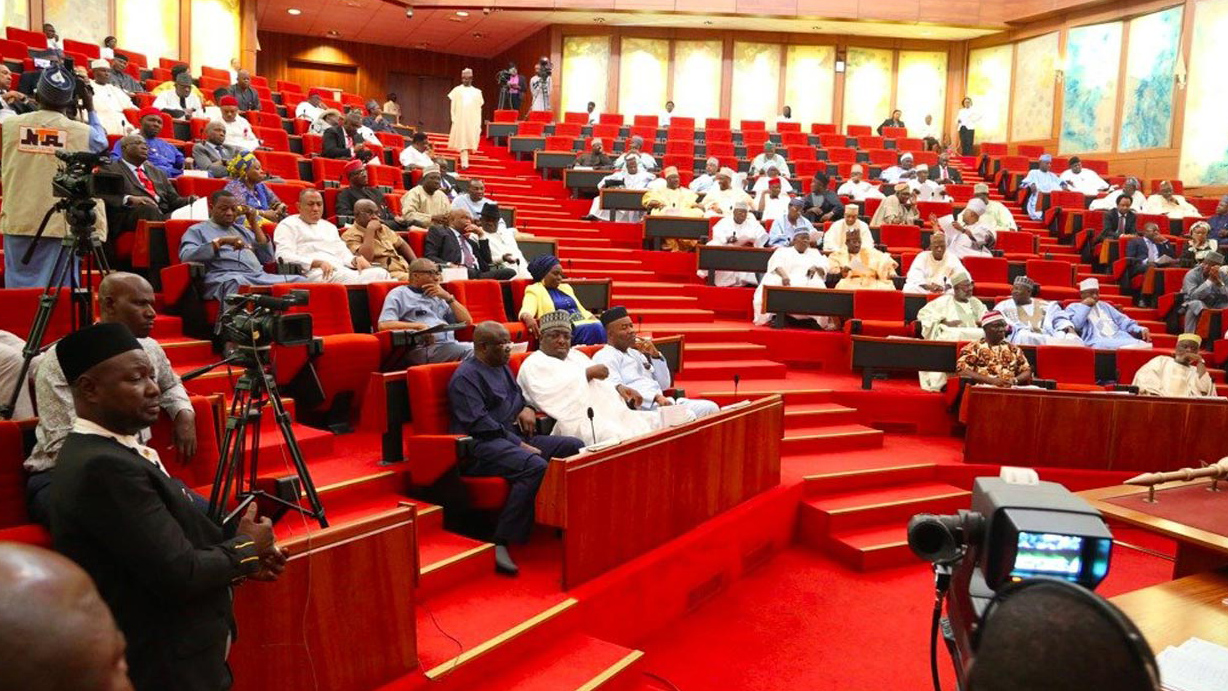
The resolution followed a motion presented during Tuesday’s plenary by Senate Chief Whip Mohammed Monguno, representing Borno North.
The motion focused on improving the implementation of the Nigeria-China aviation agreement and ensuring that both countries benefit from reciprocal air services.
Senate Raises Concerns Over Unequal Flight Opportunities
Presenting the motion, Monguno recalled that Nigeria and China entered into an aviation arrangement during the administration of former President Muhammadu Buhari.
The agreement was designed to strengthen commercial aviation links, increase flight frequencies and support direct passenger and cargo services between the two countries.
Monguno argued that the growing volume of trade and business activities between Nigeria and China makes reliable air connectivity increasingly important.
He maintained that direct flights could shorten travel time, reduce transportation costs and improve the movement of goods between both markets.
According to the lawmaker, Lagos and Abuja airports could serve as important aviation gateways connecting West and Central Africa with destinations in East Asia.
He also identified improved cargo movement, increased non-oil exports, job creation and reduced foreign exchange outflows as potential benefits of expanding direct air services.
Nigerian Airlines Should Benefit From China Trade — Ningi
Senator Abdul Ningi, representing Bauchi Central, supported the motion, expressing concern that Nigerian aviation operators were not benefiting sufficiently from the country’s commercial relationship with China.
Ningi noted that many Nigerian business travellers still rely on connecting flights through third countries to reach Chinese destinations.
He contrasted this situation with the access available to Chinese airlines serving the Nigerian market.
The senator called for stronger government support for domestic carriers, including Air Peace, to enable them to compete for passenger and cargo traffic on Nigeria-China routes.
He argued that improved access would allow Nigerian airlines to participate more actively in the economic opportunities created by bilateral trade.
Senate Directs Aviation Ministry to Pursue Fresh Negotiations
Following deliberations, the Senate urged the Federal Ministry of Aviation and Aerospace Development to review the commercial conditions and operational arrangements under the existing BASA.
The proposed negotiations would address reciprocal flight operations, airline access and scheduling arrangements between the two countries.
Lawmakers also asked the Federal Ministry of Foreign Affairs to engage Chinese authorities on business visa facilitation for Nigerian traders.
Another priority is securing fair airport slot allocations for Nigerian airlines seeking to operate flights to China.
The Senate directed its Committees on Aviation and Foreign Affairs to monitor implementation of the resolutions and submit a report within four weeks.
Akpabio Raises Possibility of Reviewing Chinese Airlines’ Privileges
Senate President Godswill Akpabio warned that Nigeria could reconsider aviation privileges granted to Chinese carriers if Nigerian airlines continued to face difficulties accessing the Chinese market.
He identified Air Peace, Max Air and Ibom Air as domestic operators that could potentially benefit from improved bilateral aviation arrangements.
Akpabio also argued that greater participation by Nigerian airlines in international routes could help retain more aviation-related revenue within the domestic economy.
His comments reinforced the Senate’s position that bilateral aviation agreements should create practical commercial opportunities for operators from both countries.
Senate Revisits Debate Over National Carrier
The discussion also renewed attention on Nigeria’s long-running efforts to establish a viable national airline.
Senator Ned Nwoko, representing Delta North, proposed that the Federal Government consider reviving Nigeria Airways as part of broader aviation-sector reforms.
Nwoko argued that a national carrier could strengthen Nigeria’s international aviation presence and improve the country’s ability to benefit from major international routes.
Responding, Akpabio acknowledged the importance of the proposal but suggested that the issue should be addressed through a separate legislative motion.
He recalled the period when Nigeria Airways operated international services and represented the country on routes beyond Africa.
The Senate President also drew attention to the challenges passengers face during busy travel periods, when available airline capacity sometimes struggles to meet demand.
He urged the Federal Government to examine the prospects for a sustainable national carrier capable of supporting domestic and international air travel.
What the Proposed BASA Review Means for Nigeria
A successful renegotiation of the Nigeria-China aviation agreement could create additional opportunities for Nigerian airlines, exporters, importers and international travellers.
However, obtaining traffic rights under a bilateral agreement does not automatically guarantee that an airline can begin operations.
Airlines must also meet regulatory requirements, secure commercially suitable airport slots and establish viable routes.
For Nigerian businesses importing goods from China, improved direct passenger and cargo connectivity could potentially reduce dependence on transit airports in other countries.
The Senate’s resolution now places responsibility on the relevant federal ministries to pursue discussions with Chinese authorities and report on progress.
The outcome will depend on diplomatic negotiations, aviation regulations and the commercial readiness of airlines interested in operating the routes.