


A committee of lawyers and stakeholders from Ondo State has called on the Federal Government to review the alignment of the Lagos-Calabar Coastal Highway, alleging that several coastal communities in Ilaje Local Government Area have been excluded from the current route.

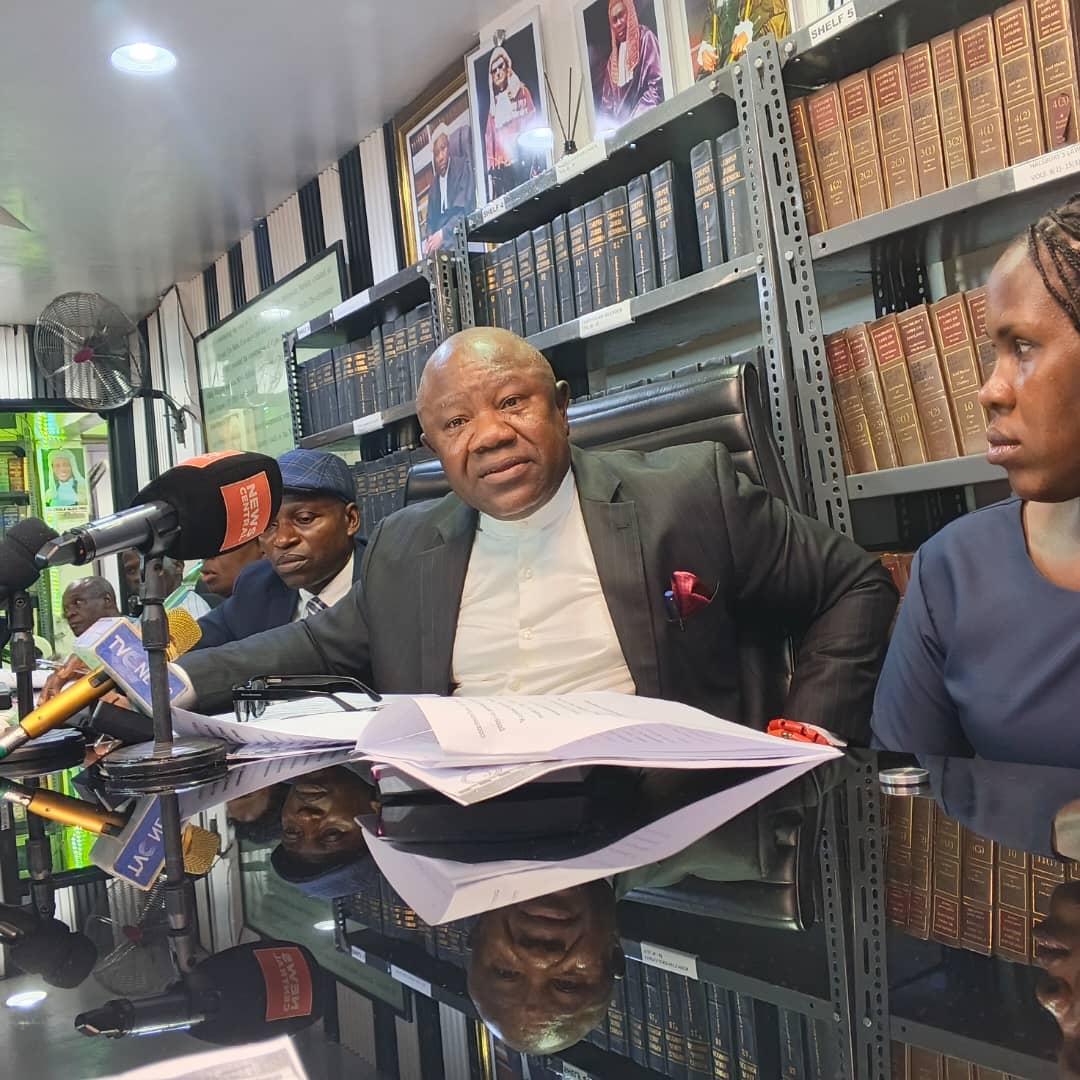
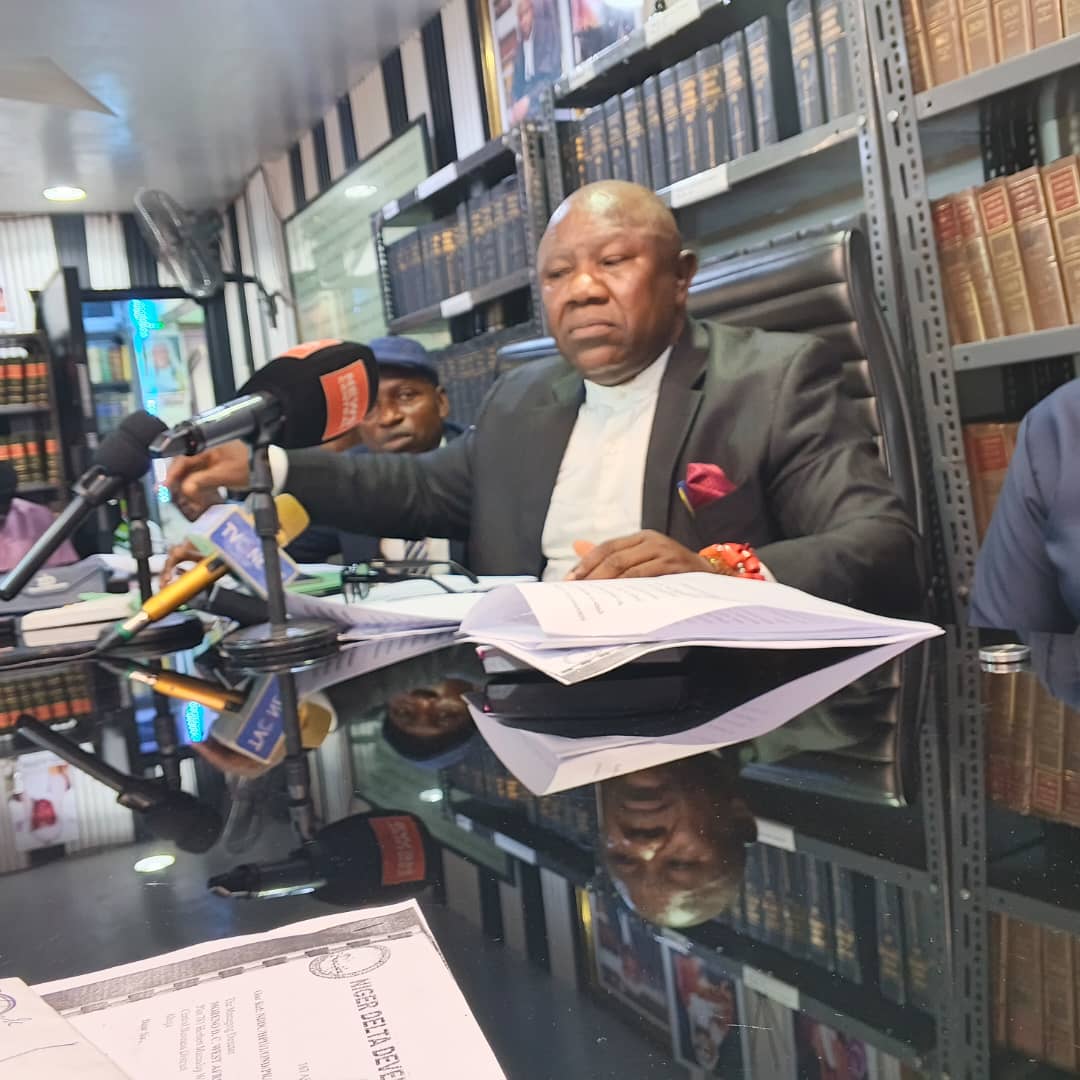
The group made the demand at a press conference in Lagos on Thursday, convened by Dr Benson Enikuomehin, Esq., FCPA, to draw attention to what it described as the marginalisation of Ondo’s coastal communities.
The stakeholders said their concern was not opposition to the highway project itself, but what they described as a departure from the original coastal character of the route in Ondo State.
According to the committee, the Lagos-Calabar Coastal Highway was conceived as a major transport corridor linking communities along Nigeria’s coastline from Lagos to Calabar.
They argued that Ondo State, with its extensive Atlantic coastline and predominantly Ilaje coastal settlements, should have a substantial section of the highway running through its coastal communities.

The group listed communities it said should benefit from the project
spanning from Irokun-Agerige-Upare-Ugbonla-Ilepete-Obe-Enikanoselu-Obe-Rewoye-Jirinwo-Awoye-Odun-Igo to Oghoye.
The stakeholders said the communities had historically faced inadequate road infrastructure and that the highway represented an opportunity to open the area to investment, tourism, commerce and improved transportation.
The committee alleged that the highway alignment had subsequently been altered in a manner that takes the project inland in parts of Ondo State before connecting with communities in Edo State.
It specifically questioned the inclusion of Gelegele in Edo State and alleged that the route now moves away from several Ondo coastal settlements to reach the Edo axis.
The stakeholders argued that such an alignment, if confirmed, would undermine the coastal character of the project and deny communities along the Ondo shoreline the economic opportunities expected from the highway.
However, publicly available government information shows that construction is already under way on a 52-kilometre Ondo section of the project.
The committee also challenged the argument that constructing the highway through Ondo’s coastal communities would be prohibitively expensive.
It claimed that a shorter route through the Ilaje coastal axis to Escravos would be cheaper than what it described as a longer inland detour through parts of Edo State.
The committee also referred to an earlier road project awarded by the Niger Delta Development Commission (NDDC) in 2010.
It said the commission had awarded the Ugbo-Oghoye Road Phase I project, covering about 40 kilometres, and argued that the earlier intervention demonstrated that road construction in the area was technically possible.
The stakeholders therefore questioned why the terrain should now be treated as an insurmountable obstacle to the Federal Government’s coastal highway project.
The lawyers and stakeholders further argued that excluding communities on the basis of their location or ethnic identity could raise constitutional questions.
They specifically cited Section 42 of Nigeria’s 1999 Constitution, which provides protections against discrimination on specified grounds including ethnic group and place of origin.
The committee called on President Bola Ahmed Tinubu to personally examine the dispute and determine whether the current alignment reflects the original objectives of the coastal highway.
The group said it was not asking that Edo State be excluded from the benefits of the project.
Instead, it wants the Federal Government to ensure that Edo’s inclusion does not come at the expense of coastal communities in Ondo State.
The stakeholders urged the Presidency and the Ministry of Works to publish the relevant engineering designs and route alignment documents so that affected communities can understand the basis for the present route.