


Students of Yakubu Gowon University in Abuja have expressed concern over the sharp increase in the price of kerosene, as the cost of the cooking fuel continues to place additional pressure on their daily living expenses.
The students, who spoke in separate interviews on Wednesday, said the rising cost of Household Kerosene has made it increasingly difficult to manage basic needs on campus.
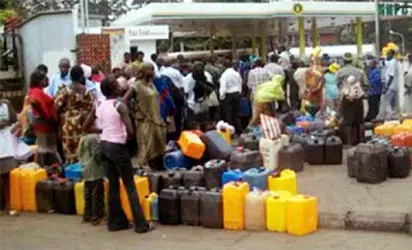
Reports indicate that kerosene now sells between ₦1,300 and ₦2,500 per litre at filling stations, depending on location and availability.
In some cases, the product is even more expensive in informal markets, where prices reportedly range between ₦2,900 and ₦4,000 per litre amid widespread scarcity.
The situation has forced many students to reduce cooking frequency, skip meals, and rely more on purchased food items.
They described the development as challenging, noting that it has worsened the cost-of-living burden already faced by students across the country.
One student, Ms Comfort Oyewole, said she now buys kerosene at about ₦2,900 per litre from fellow students due to convenience and limited availability.
She explained that a litre lasts her about a week because she cooks sparingly to manage costs.
According to her, the rising price has significantly affected her eating habits and monthly budget.
She added that when kerosene is unavailable, she is forced to buy ready-made food, which further increases her expenses.
Another student, Mr Yod Elohim, said kerosene sells for about ₦3,400 within the campus environment.
He explained that he often buys half a litre for ₦1,700, which only lasts him a few days depending on how frequently he cooks.
A nursing student, Mr Joseph Kolade, also lamented the high cost of kerosene, saying he sometimes spends up to ₦4,000 on two litres.
He noted that the rising cost has made cooking at home increasingly difficult, though he prefers it to eating out.
He called on government and stakeholders in the petroleum sector to address the price instability affecting households across the country.
Another student, Mr Emeka Okoye from the Department of Health Education, said the situation has forced him to rely more on purchased meals due to the high cost of cooking fuel.
He urged authorities to take urgent steps to improve availability and affordability of kerosene nationwide.
Data from the National Bureau of Statistics (NBS) shows that kerosene prices have increased significantly across Nigeria, with some states such as Sokoto, Lagos, and Kebbi recording prices of up to ₦4,000 per litre in April 2026.
Analysts link the price surge to supply constraints, currency depreciation, and broader energy market deregulation.
The ongoing scarcity continues to deepen concerns over the rising costof living for students and low-income households across the country.