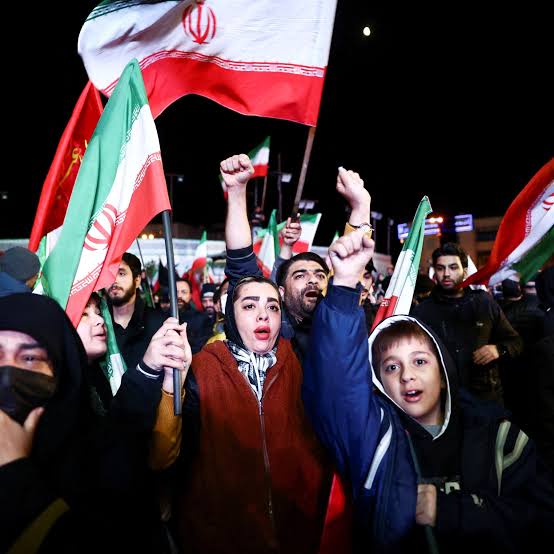
The Israel Defense Forces (IDF) have confirmed a halt to military strikes on Iranian targets following the announcement of a two-week ceasefire between both countries.
The development signals a temporary pause in direct confrontation between Israel and Iran, after weeks of escalating tensions.
In an official statement released on Wednesday, the Israeli military said it had stopped its offensive operations against Iran in line with instructions from the country’s political leadership.
However, the IDF emphasized that its forces remain on high alert and ready to respond swiftly to any breach of the agreement.
Despite the ceasefire announcement, the situation remains fragile.
Reports indicate that Iran launched rockets toward Israel shortly after the truce was declared, raising concerns about its stability and long-term viability.
Israeli officials noted that recent strikes had focused on Iranian missile infrastructure, including launch sites and related equipment.
While pausing attacks on Iran, Israel confirmed it would continue operations against Hezbollah, the Iran-backed militant group operating in Lebanon.
Israeli authorities argue that Lebanon is not included in the ceasefire agreement, leaving military activity on the northern front ongoing.
There appears to be differing interpretations of the ceasefire’s coverage among involved parties.
Pakistan’s Prime Minister, Shehbaz Sharif, who played a mediating role in the agreement, suggested that the truce should extend to Lebanon.
His remarks, shared on social media platform X, highlight uncertainty over the terms of the ceasefire and its regional implications.
The conflicting positions have added to doubts about how long the ceasefire will hold.
Regional observers say the situation remains fluid, with both diplomatic and military developments likely to shape the next phase of the conflict.