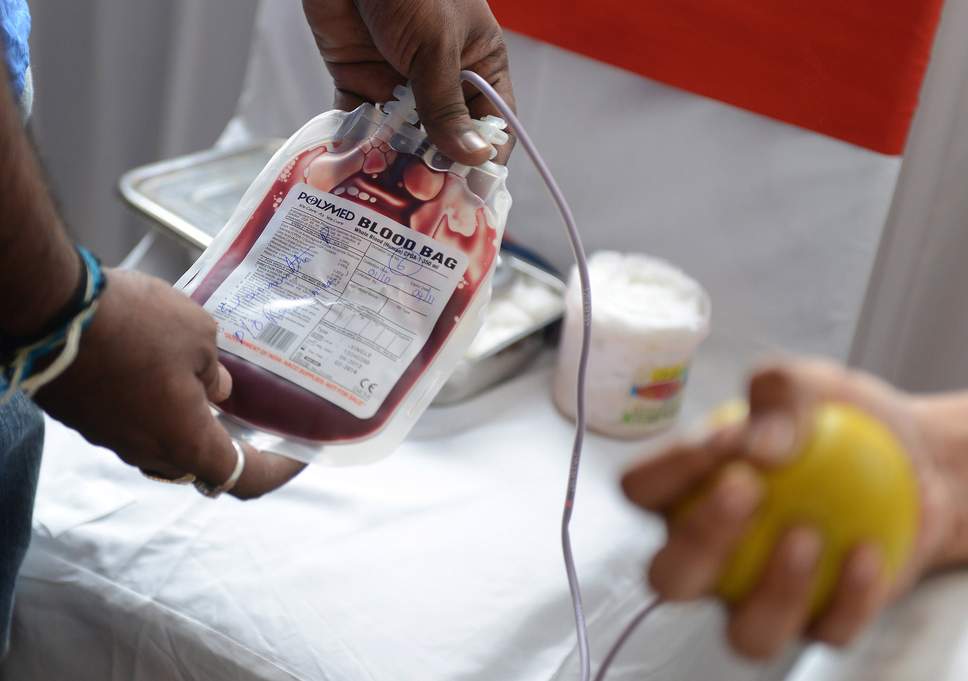
A Consultant Haematologist, Dr. Lucky Okpetu, has called on Nigerians to embrace voluntary blood donation while dispelling widespread myths and misconceptions that discourage potential donors across the country.
Okpetu made the appeal in an interview with our correspondence in Lagos, in commemoration of the 2026 World Blood Donor Day (WBDD) observed globally on June 14.
The theme for this year’s celebration is “One Drop of Humanity. Give Blood. Save Lives”, which highlights the importance of voluntary, unpaid blood donation in saving millions of lives worldwide.
According to him, voluntary blood donation remains a vital humanitarian act that continues to play a critical role in emergency healthcare and life-saving treatment.
Dr. Okpetu, who heads the Blood Transfusion Department at the Federal Medical Centre, Ebute Meta, said a major challenge affecting blood donation in Nigeria is the persistent lack of public awareness and widespread misinformation.
He noted that many Nigerians still hold unfounded beliefs, including fears that donated blood could be used for ritual purposes, describing such claims as false and misleading.
“These beliefs are completely baseless. Blood collected in hospitals is strictly used for medical purposes to save lives,” he said.
He added that cultural misconceptions and expectations of financial rewards discourage voluntary donation in many communities.
The haematologist explained that Nigeria still falls short of the required blood supply, noting that the country needs at least one per cent of its population to donate blood annually in line with World Health Organisation (WHO) standards.
Okpetu said only healthy individuals between the ages of 18 and 65 years are eligible to donate blood after proper medical screening.
He stressed that donors undergo checks such as blood pressure, haemoglobin level, and general health assessment before donation is approved.
“If a person is not medically fit, blood will not be collected,” he explained.
The expert called on the media and stakeholders to intensify public awareness campaigns on safe blood donation and the importance of maintaining a sustainable national blood supply.
Addressing concerns that hospitals sell blood, Okpetu clarified that patients are not charged for the blood itself but for essential services such as testing, processing, storage, and transfusion procedures.
“What patients pay for are laboratory tests, blood bags, storage facilities, and other consumables—not the blood itself,” he said.
He also acknowledged that blood transfusion reactions may occur in rare cases, but noted that strict safety protocols have significantly reduced such risks.
According to him, multiple layers of screening and verification are conducted by laboratory scientists, nurses, and doctors before any transfusion is carried out.
Okpetu further explained that donated blood has a limited shelf life, typically up to 35 days, depending on storage conditions and anticoagulants used.
He said expired blood is always discarded and never used for transfusion under any circumstances.