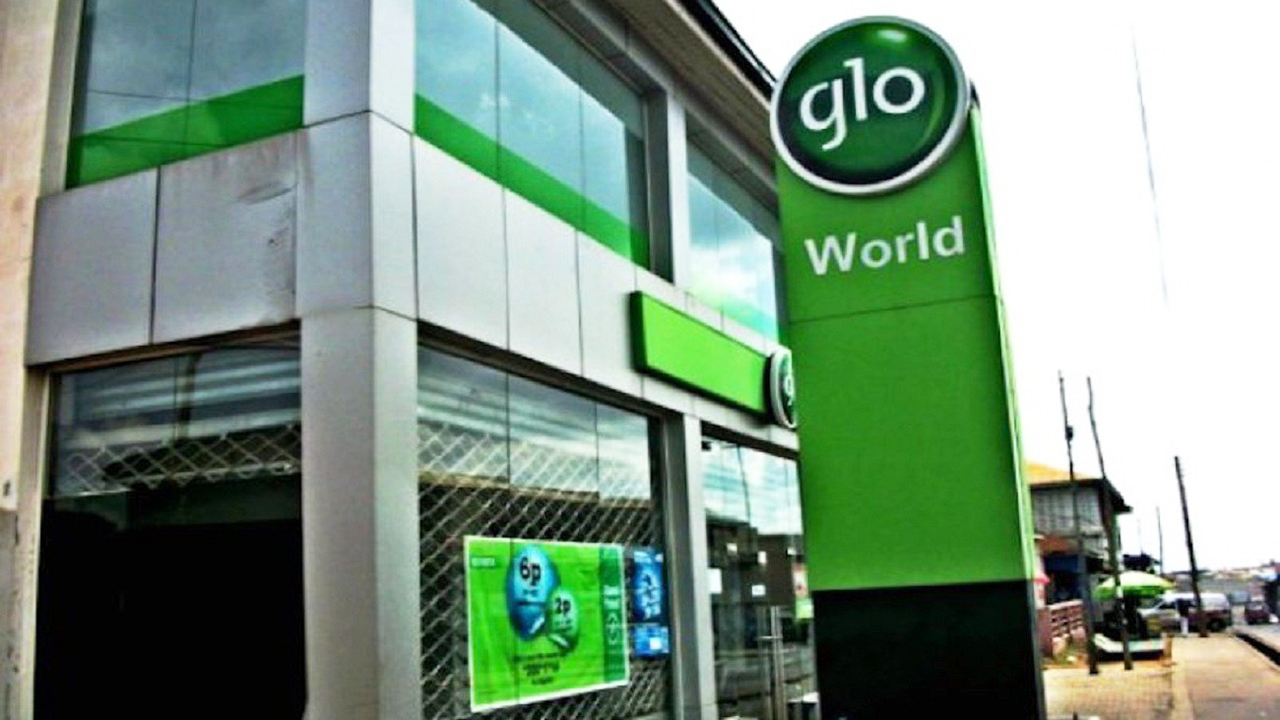
A Lagos-based strategist and analyst, Lanre Basamta, has said sustained investment by Globacom in broadband infrastructure and digital connectivity is helping to strengthen the role of telecommunications in Nigeria’s economy.
Basamta said the sector’s 9.19 per cent contribution to Nigeria’s Gross Domestic Product in the first quarter of 2026 showed the importance of continuous investment in digital access.
He stated this in a statement issued on Friday.
According to him, the National Bureau of Statistics reported that Nigeria’s economy grew by 3.89 per cent year-on-year in real terms during the period.
He added that the non-oil sector accounted for 96.08 per cent of total GDP, further highlighting the growing importance of service-driven and digitally enabled sectors.
Basamta said telecommunications had become a major driver of economic activity across the country.
He noted that the sector supports digital payments, logistics, e-commerce, media, education, remote work and millions of small businesses.
The analyst said Globacom, as an indigenous telecommunications company, had played an important role in expanding competition and strengthening digital infrastructure since it began operations in 2003.
He said the company’s investments in network expansion and international connectivity had improved broadband access across Nigeria.
Basamta identified the Glo-1 submarine cable as one of the key infrastructure projects that had helped boost connectivity and support data services.
According to him, Globacom’s broad market reach also connects the company strongly to Nigeria’s informal economy.
He said mobile phones now serve as shopfronts, payment tools and customer service channels for many small businesses.
Basamta explained that affordable and reliable connectivity can improve productivity, even for businesses that do not see themselves as technology-based enterprises.
He said future growth in the telecoms sector would depend on continued investment in fibre networks, 4G and 5G infrastructure, service quality and digital literacy.
The analyst noted that broadband penetration reached 55.67 per cent in April 2026.
He said the figure showed that more Nigerians were moving into data-heavy digital activities.
Basamta added that as Globacom approaches its 23rd anniversary, the company has an opportunity to deepen its economic impact.
He said this could be achieved by expanding services for small and medium-sized enterprises, schools, content creators and corporate organisations.
According to him, such investments would help convert digital connectivity into higher productivity, wider inclusion and stronger economic growth.
He said continued private-sector investment in telecommunications would remain critical to Nigeria’s digital transformation and long-term economic development.