


The United Nations Children’s Fund (UNICEF) has called on the governments of Kano, Jigawa and Katsina states to make children’s welfare a central priority in public budgets, policies and development programmes.
The organisation said government decisions on education, healthcare, nutrition, access to clean water and child protection should reflect the needs and recommendations of children.
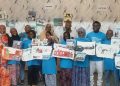
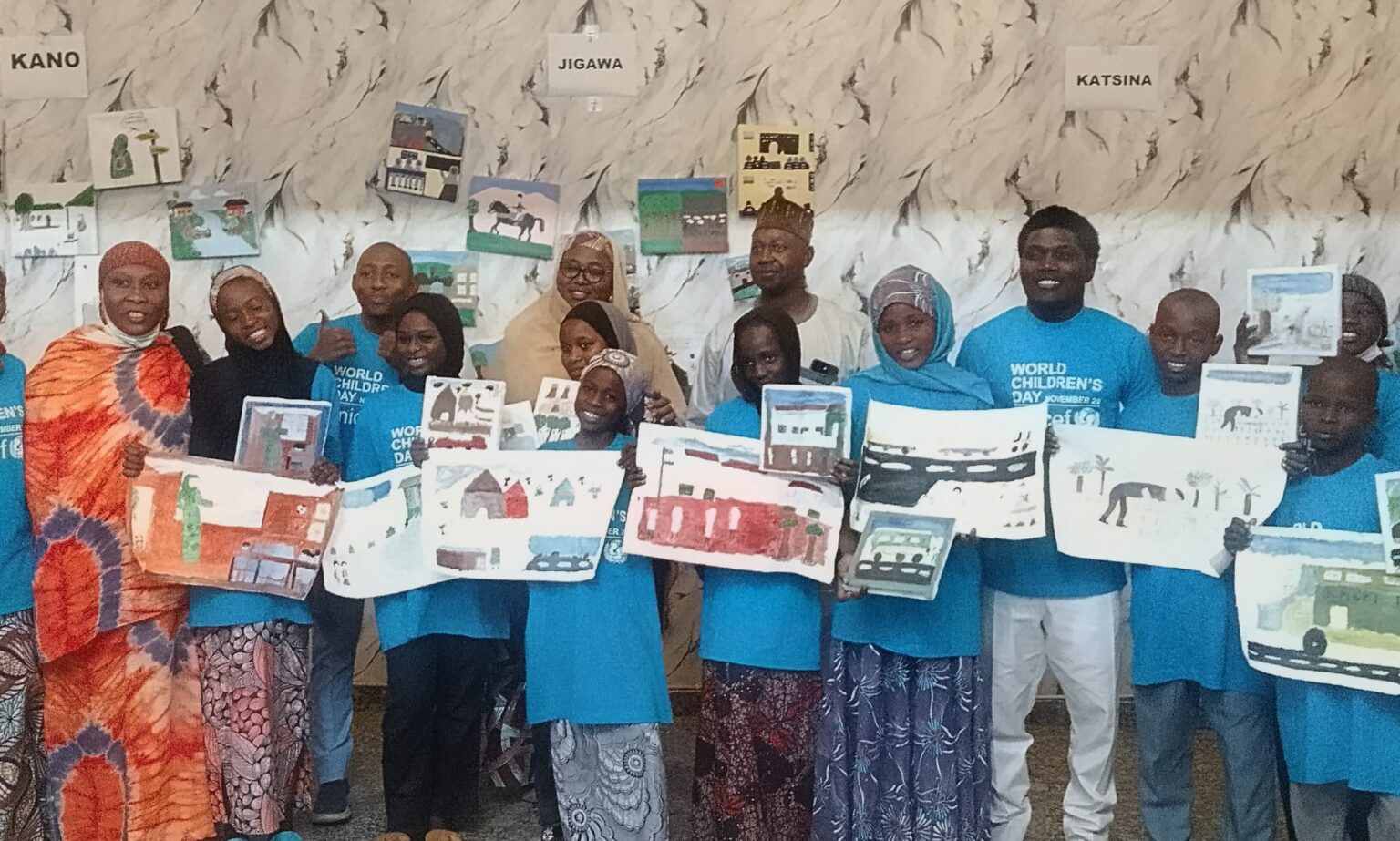
The call was made by the Officer-in-Charge of UNICEF’s Kano Field Office, Dr Serekeberehan Deres, during a zonal children’s summit held in Kano on Friday to commemorate the 2026 World Children’s Day.
In a speech delivered on his behalf by the Chief of UNICEF’s Kano Field Office, Shafeeq Ur-Rehman, Deres said the gathering provided an opportunity for children from the three states to communicate their concerns, aspirations and expectations to government representatives.
He explained that participants used drawings, videos and other creative presentations to express their views on issues affecting their lives and future.
According to him, children should not be treated merely as beneficiaries of government programmes but as active participants whose opinions deserve consideration in decisions affecting their welfare.
UNICEF calls for action on children’s recommendations
Deres urged commissioners and other senior government officials attending the summit to take the recommendations presented by the children to their respective ministries and agencies for consideration and implementation.
He stressed that children’s rights must be protected consistently rather than receiving attention only during annual commemorative events.
The 2026 World Children’s Day theme, *My Day. My Rights. My Future*, highlights the importance of protecting children’s rights, expanding access to essential services and ensuring that young people have opportunities to influence decisions affecting their lives.
UNICEF emphasised that every child deserves the opportunity to survive, develop, receive quality education, enjoy protection and have their views heard, regardless of gender, disability or social circumstances.
The organisation also called on parents, teachers, community leaders, development partners and the media to support children’s participation and help translate their concerns into practical improvements.
Vulnerable children need greater protection
The UNICEF official identified girls, children living with disabilities, out-of-school children and those in hard-to-reach communities as groups requiring particular attention.
He called for stronger interventions to ensure that these children were not excluded from education, healthcare, social protection and other essential services.
Deres reaffirmed UNICEF’s commitment to working with governments, communities and young people to advance children’s welfare across Kano, Jigawa and Katsina.
He also noted that the organisation was marking 80 years of its global work for children, reaffirming its commitment to improving the lives of children in the three states.
Governments reaffirm commitment to child welfare
Representatives of the three state governments, Hajiya Umma Dalhatu of Kano, Dr Hauwa Babura of Jigawa and Babangida Abdullahi of Katsina, reiterated their commitment to protecting children’s rights.
They commended UNICEF for its continued support towards improving child welfare, development and protection across Nigeria.
Similarly, Hajiya Aisha Albasu, representing the Chairman of the State Universal Basic Education Board (SUBEB), Alhaji Yusuf Kabir, reaffirmed the state government’s commitment to expanding access to quality education and other essential services.
She said the government would continue working with development partners and relevant stakeholders to ensure that children received the support and opportunities needed to develop their full potential.
Children’s Parliament demands increased investment
Representatives of the Children’s Parliament, Alamin Umar and Asma’u Anka, used the occasion to call for stronger protection of children’s rights and increased government investment in education, healthcare and general welfare.
They urged authorities and other stakeholders to create safe and supportive environments where children could grow, learn and thrive regardless of their family backgrounds or circumstances.
The 2026 World Children’s Day celebration provided a platform for young representatives from Kano, Jigawa and Katsina to engage government officials and advocate policies that place children’s welfare at the centre of development planning.