The Federal Government of Nigeria has announced plans to offer debt relief to domestic airlines by granting discounts on outstanding payments owed to aviation agencies.
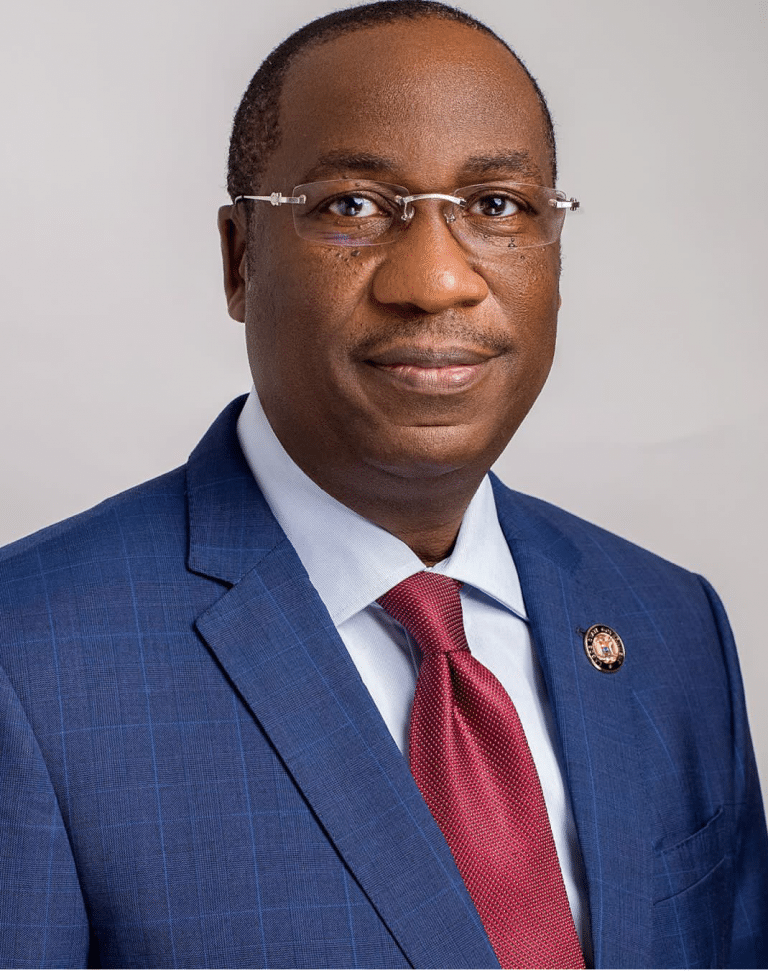
The Minister of Aviation and Aerospace Development, Festus Keyamo, disclosed this during a high-level meeting in Abuja involving aviation stakeholders and government officials
The move comes amid growing concerns within the industry, as members of the Airline Operators of Nigeria (AON) had threatened to suspend operations due to rising costs, particularly the surge in Jet A1 aviation fuel prices.
Keyamo stated that the exact percentage of the debt discount would be determined by President Bola Tinubu, who has directed airlines to submit formal applications for consideration.
He explained that the intervention aims to stabilise the aviation sector and prevent disruptions to air travel across the country.
As part of broader reforms, the federal government has also approved the formation of a committee to review taxes, levies, and other charges imposed on domestic air travel.
The committee is expected to recommend measures to reduce operational costs for airlines and make air travel more affordable for passengers.
According to the minister, debts owed to key agencies such as the Nigerian Airspace Management Agency (NAMA),Federal Airports Authority of Nigeria (FAAN), and the Nigerian Civil Aviation Authority (NCAA) are being considered for the proposed discount.
Meanwhile, the Minister of State for Petroleum Resources (Oil), Heineken Lokpobiri, said discussions with oil marketers would be held to address the high cost of aviation fuel.
Lokpobiri, represented by Permanent Secretary Patience Oyekunle, noted that fuel pricing remains a critical issue affecting airline operations.
In response, Allen Onyema, Chief Executive Officer of Air Peace called for a complete waiver of airline debts, arguing that the financial burden on operators has become unsustainable.
He also urged the government to strengthen the Bank of Industry (BOI)to provide airlines with access to low-interest financing.
Onyema described the reported 300 percent increase in aviation fuel prices as excessive and warned that it could further strain the sector if not urgently addressed.