The Federal Government has outlined fresh measures aimed at making housing more affordable, lowering construction costs and encouraging private investment in Nigeria’s property sector.
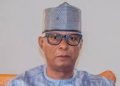
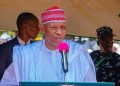
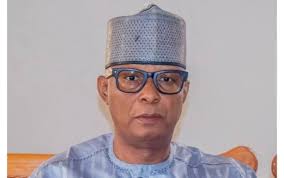
The Minister of Housing and Urban Development, Dr Muttaqha Darma, disclosed the plans on Monday during the 2026 Urban October commemoration of World Habitat Day and World Cities Day in Abuja.
Represented by his Chief of Staff, Dr Abba Yakubu, the minister said the government was reviewing how housing institutions operate, improving cooperation among agencies and strengthening policies designed to make homeownership more accessible.
The event focused on two themes: “Adequate Housing for All” and “Regenerating the City: Adequate Housing for All.”
FG Targets Lower Construction Costs Through Local Building Materials
Darma explained that one of the government’s priorities is to encourage the production of building materials within Nigeria.
Under the initiative, local manufacturing hubs would be promoted to increase the availability of construction materials and help reduce the cost of building residential properties.
The minister said improvements in land administration, physical planning and coordination among federal housing agencies were also part of the wider reform programme.
According to him, these changes are expected to make housing development more efficient while creating opportunities for investors interested in Nigeria’s growing real estate market.
Renewed Hope Housing Programme Targets 100,000 Homes
The minister also highlighted the Federal Government’s Renewed Hope Cities and Estates Programme, which aims to deliver 100,000 housing units across Nigeria’s 36 states and the Federal Capital Territory.
He said the initiative offers different categories of housing through Renewed Hope Cities, Renewed Hope Estates and a proposed Renewed Hope Social Housing scheme.
The programme is intended to expand housing opportunities for Nigerians across different income groups.
However, Darma acknowledged that constructing more houses would not solve the country’s housing challenges unless prospective buyers could also afford them.
Government Seeks to Improve Mortgage Financing
Access to affordable housing finance remains one of the biggest obstacles facing Nigerians hoping to own their homes.
The minister identified high interest rates, limited access to long-term loans, strict mortgage requirements and low mortgage penetration as major challenges.
To address these difficulties, he said the government was working to strengthen the Federal Mortgage Bank of Nigeria (FMBN), the Nigeria Mortgage Refinance Company (NMRC) and other financial institutions involved in housing finance.
The goal, he explained, is to make mortgage financing more accessible and support a housing market in which more Nigerians can purchase homes.
Darma also called for greater cooperation between government institutions, private developers, financial organisations and international development partners.
Rapid Urbanisation Puts More Pressure on Nigerian Cities
Speaking earlier, the Permanent Secretary of the Ministry of Housing and Urban Development, Dr Shuaib Belgore, said Nigeria’s expanding urban population was creating additional pressure on housing and essential infrastructure.
Belgore, represented by the Director of Urban and Regional Development, Mrs Margaret Adejobi, identified rising construction costs, infrastructure shortages, environmental concerns and increasing housing demand as major issues requiring urgent attention.
Adejobi said lasting improvements would depend on better urban planning, effective policies, innovative financing arrangements and stronger collaboration between the public and private sectors.
She described the Urban October commemoration as an opportunity for policymakers, developers and other stakeholders to examine practical ways of improving housing conditions and making cities more sustainable.
UN Warns That Housing Crisis Goes Beyond Building More Homes
The United Nations also raised concerns about the growing global housing crisis.
UN Secretary-General António Guterres, represented by Niina Rinne, Chief Technical Adviser and Head of the UN-Habitat Nigeria Country Office, said more than three billion people worldwide lacked adequate housing.
He added that over one billion people were living in informal settlements and slums.
According to the UN chief, addressing the housing crisis requires more than increasing the number of residential buildings.
He stressed that homes must be affordable, safe and located in communities with access to transport networks, employment opportunities, public facilities and other essential services.
Poorly planned housing developments, he warned, could increase commuting expenses, worsen infrastructure challenges and expose residents to environmental hazards.
Guterres urged national and local governments to strengthen partnerships and expand access to affordable financing, particularly in developing countries.
FG Calls for Stronger Public-Private Partnerships
The Federal Government maintained that cooperation among federal, state and local authorities, private investors, financial institutions and development organisations would be essential to improving housing delivery.
The ministry said its ongoing reforms are intended to create a more coordinated and investment-friendly housing sector while addressing the financial barriers preventing many Nigerians from becoming homeowners.
World Habitat Day is observed annually on the first Monday of October, while World Cities Day takes place on October 31.
Both observances form part of Urban October, a United Nations initiative that promotes inclusive housing, sustainable cities and improved living conditions.