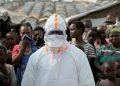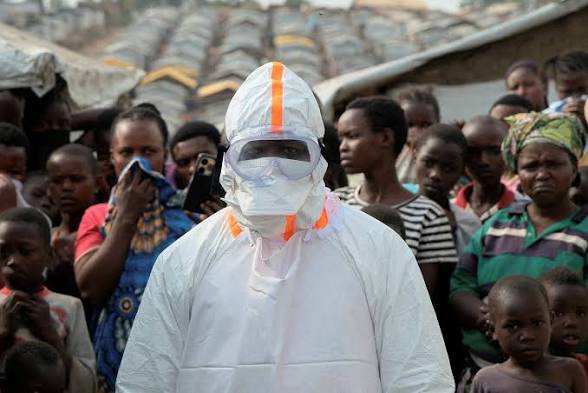
Sierra Leone has stepped up Ebola surveillance at its international airport and land borders following reports of seven confirmed cases of the deadly viral disease in Kenya.
The country’s National Public Health Agency (NPHA) announced the heightened precautions on Monday, saying health authorities are strengthening measures to identify potential infections and prevent the disease from entering the country.
According to a report by Xinhua, carried by the News Agency of Nigeria (NAN), the agency is working closely with Sierra Leone’s Ministry of Health and other relevant institutions to improve disease monitoring and emergency preparedness.
Airport and Border Screening Strengthened
Health officials are paying particular attention to travellers arriving from countries where Ebola infections have been reported.
Screening procedures are being reinforced at Freetown International Airport and land border crossings to support early identification of possible cases.
The measures are intended to improve the country’s ability to detect health threats quickly and respond before infections spread within communities.
Travellers Advised to Monitor Their Health for 21 Days
The NPHA has advised people entering Sierra Leone from affected areas to provide accurate information about their recent travel and health conditions.
Travellers are also encouraged to monitor their health for 21 days after arrival, reflecting the maximum recognised incubation period for Ebola virus disease.
Anyone who develops symptoms associated with Ebola after possible exposure should contact health authorities promptly and follow medical guidance.
Public Urged to Maintain Good Hygiene
Beyond border screening, the agency has reminded residents of the importance of personal hygiene and preventive health practices.
Regular handwashing, avoiding direct contact with the bodily fluids of infected individuals and complying with official health screening requirements are among the recommended precautions.
The agency also emphasised the importance of accurate public information, warning that rumours and misleading reports could undermine disease prevention efforts.
Sierra Leone Seeks to Prevent Another Ebola Crisis
Sierra Leone has experienced the devastating consequences of Ebola in the past, particularly during the West African outbreak that began in 2014 and affected thousands of families.
That experience has made disease surveillance, public awareness and early medical intervention important components of the country’s public health preparedness.
Although the latest measures are precautionary, they underline the government’s intention to strengthen its response to potential cross-border health threats.
Health Authorities Call for Calm
The NPHA has urged Sierra Leoneans not to panic and to follow information issued through recognised public health channels.
It stressed that identifying suspected infections early and reporting them quickly remain essential to controlling Ebola and protecting communities.
The agency also encouraged cooperation with health officials as surveillance activities continue across major entry points.