



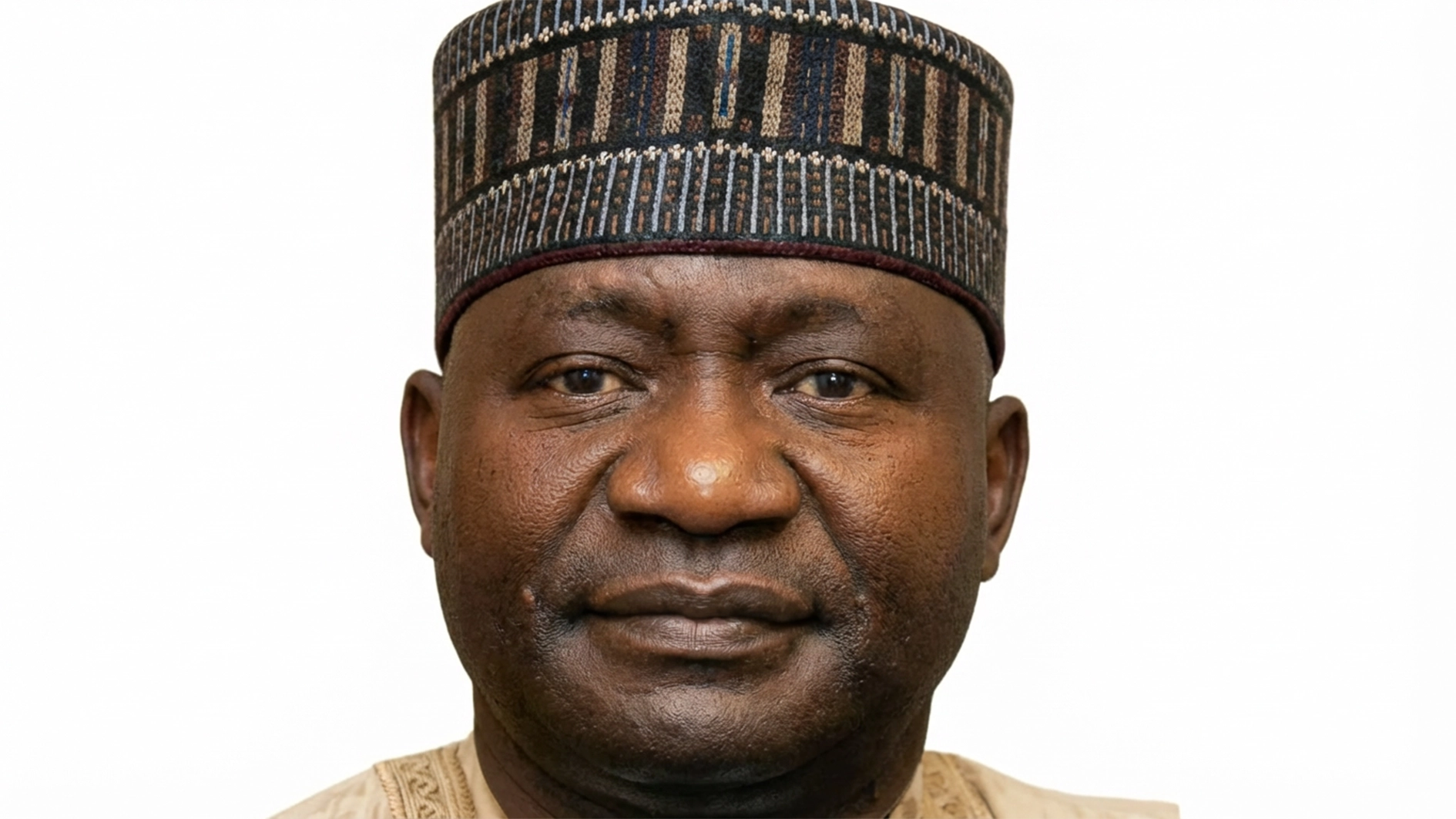
Nigeria’s Minister of Defence, General Christopher Musa (retd.), has called on the Nigerian Army to prioritise homegrown military technology, warning that lasting national security cannot depend entirely on foreign-made defence equipment.
Musa delivered the message on Friday, October 16, 2026, during the graduation ceremony of Army War College Nigeria (AWCN) Course 10/2026 in Abuja.
The minister said Nigeria must strengthen its ability to develop, maintain and improve military technology suited to the country’s security challenges.
He argued that greater investment in local research, innovation and defence manufacturing would help the Armed Forces respond more effectively to emerging threats.
Nigeria Must Reduce Dependence on Foreign Military Equipment
Musa said building a stronger domestic defence industry was essential to the country’s long-term security strategy.
Although international partnerships remain important, he stressed that Nigeria should develop the technical knowledge and industrial capacity to support its own military operations.
According to him, this would require closer cooperation among the Armed Forces, Nigerian universities, research institutions, defence manufacturers and technology developers.
He explained that locally developed solutions could help the military address operational challenges more directly while reducing excessive dependence on foreign suppliers.
The minister also acknowledged the Federal Government’s ongoing efforts to improve domestic defence production through research and partnerships with established international companies.
Defence Minister Calls for Drones, Artificial Intelligence and Cybersecurity
Addressing the graduating officers, Musa identified unmanned aerial systems, artificial intelligence, cyber capabilities and data analysis as important areas for military development.
He said modern security threats were becoming increasingly complex, requiring the Nigerian Army to adopt technologies capable of supporting intelligence gathering, operational planning and decision-making.
The minister emphasised that innovation should not be left entirely to engineers, scientists or procurement officials.
Instead, he urged military commanders to identify challenges encountered during operations and work with technical specialists to develop practical solutions.
Musa maintained that officers who understand conditions on the battlefield are often well-positioned to recognise equipment shortages, technological limitations and areas requiring improvement.
Military Officers Urged to Apply Knowledge Beyond the Classroom
The defence minister reminded the graduates that completing their professional military education marked the beginning of greater leadership responsibilities.
He said the importance of their training would be demonstrated through the decisions they make and the results they achieve in their new appointments.
Musa encouraged the officers to demonstrate sound judgement, adaptability, discipline and integrity when carrying out their duties.
He also urged them to anticipate emerging security threats rather than wait for crises before taking action.
According to the minister, effective military leadership requires continuous learning, professional competence and the ability to make difficult decisions under pressure.
He challenged the graduates to apply their newly acquired knowledge to strengthen national security and improve the operational effectiveness of their formations.
Tinubu Administration Backs Indigenous Defence Development
Musa linked the government’s defence technology drive to President Bola Tinubu’s efforts to strengthen the Armed Forces.
He said the administration was supporting initiatives designed to improve military capabilities and encourage the development of equipment that could be produced and maintained locally.
The minister urged officers to remain professional and committed to their responsibilities while contributing to the country’s defence objectives.
Nigeria has already taken steps to expand domestic defence manufacturing through the Defence Industries Corporation of Nigeria (DICON).
The Defence Industries Corporation of Nigeria Act, signed in 2023, provides a broader legal framework for local weapons production, research, technology development and cooperation with private manufacturers.
The policy supports efforts to strengthen domestic industrial capabilities while maintaining international defence partnerships.
Army War College Graduates 99 Officers After 37 Weeks
Earlier in his address, the Commandant of Army War College Nigeria, Major General Umar Alkali, explained that the course was designed to strengthen leadership, operational planning and technological awareness among senior military officers.
He said the 2026 programme focused on indigenous technological innovation and its potential to improve the Nigerian Army’s professional effectiveness.
According to Alkali, the college initially admitted 100 participants, but one officer was unable to complete the programme because of ill health.
The remaining 99 officers graduated after 37 weeks of intensive military education, which began in February.
The commandant said the programme brought together personnel from Nigeria and allied countries, allowing participants to exchange professional experiences and develop stronger working relationships.
He also highlighted milestones in female participation and the representation of officers from partner nations.
Army War College Strengthens Regional Military Cooperation
Established in February 2017, Army War College Nigeria trains officers for operational-level command and senior staff responsibilities.
Its programmes prepare military personnel to translate national security objectives into practical plans for operations involving different military services and partner agencies.
Alkali said the 2026 course reflected the college’s commitment to developing adaptable military leaders capable of operating in increasingly complex security environments.
He urged the graduates to demonstrate professionalism, intellectual courage and commitment to their countries as they assume greater responsibilities.
The ceremony was attended by the Chief of Defence Staff, General Olufemi Oluyede; the Chief of Army Staff, Lieutenant General Waidi Shaibu; other senior military officers, representatives of allied countries and families of the graduates.
Nigeria’s Push for Military Self-Reliance Continues
The call for indigenous military technology comes amid broader efforts to strengthen Nigeria’s defence manufacturing sector.
In recent years, DICON has pursued partnerships involving local weapons manufacturing, ammunition production, drones and other defence systems.
The government has also encouraged cooperation between defence institutions, private companies and research organisations to improve the country’s technological capabilities.
However, converting these initiatives into sustained domestic production will require funding, skilled personnel, manufacturing infrastructure and reliable supply chains.
For Musa, the priority is ensuring that Nigerian military institutions can develop and adapt technologies that meet their own operational requirements.
The graduation of Course 10/2026 therefore represents another stage in the Army’s efforts to combine professional military education with technological development and stronger national defence capabilities.