A coalition of civil society organisations has called on President Bola Tinubu to urgently intervene in the persistent gas eruptions affecting Bille community in Rivers State, warning that the situation poses serious environmental and public health risks.
The coalition, comprising the People’s Assembly and Bille Working Group, made the appeal in an open letter to the President, which was presented to journalists in Port Harcourt on Thursday.
The groups are demanding the establishment of a presidential task force to investigate the source of the gas emissions, contain the eruptions and coordinate emergency assistance for affected residents.
Speaking on behalf of the coalition, its convener, Dr Isaac Osuoka, who is also Executive Director of Social Action, said the continuing gas releases had created dangerous living conditions in the coastal community.
He called for the immediate relocation of residents to temporary safe shelters, alongside the provision of potable water, food supplies and essential healthcare services.
Gas emissions reported in wells, creeks and boreholes
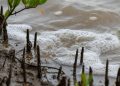
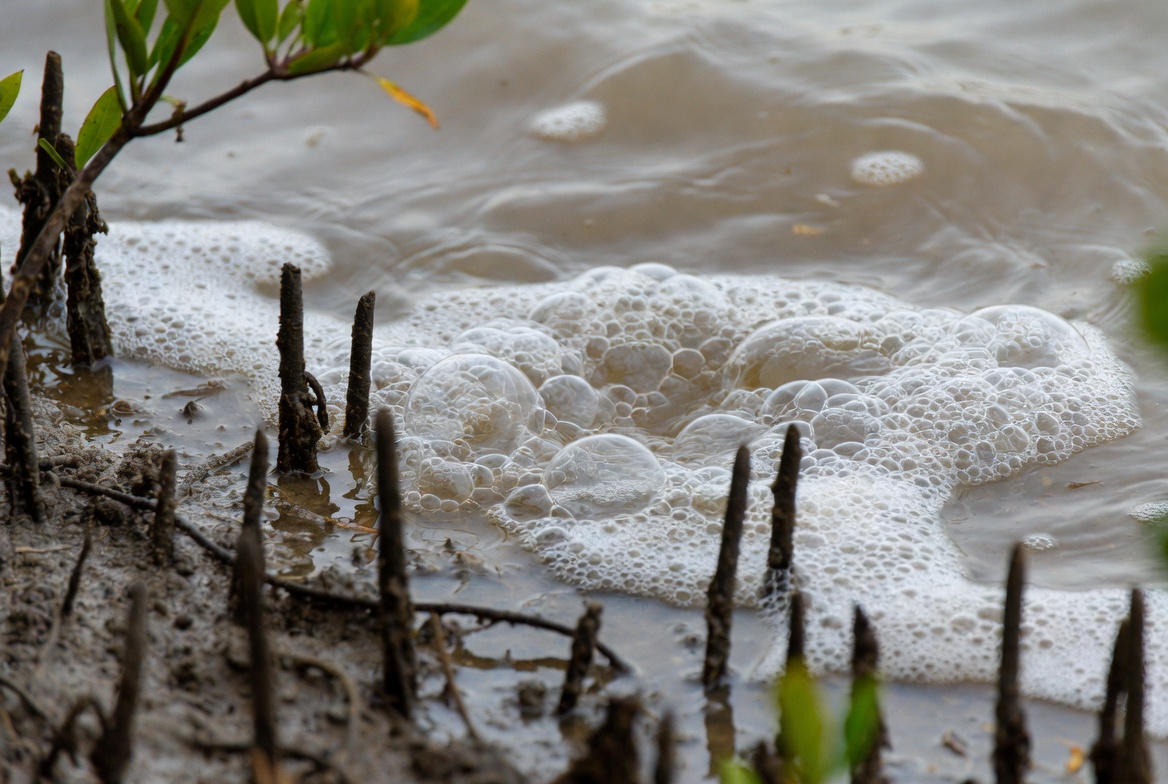
Executive Director of the Kebetkache Women Development and Resource Centre, Dr Emem Okon, said residents had been experiencing gas eruptions from the ground, creeks, boreholes and hand-dug wells since October 2025.
She explained that the emissions had reportedly triggered several fires and explosions, raising fears about the safety of people living in the affected areas.
According to Okon, community members have also reported respiratory difficulties, vomiting and other health complaints believed to be associated with exposure to the gas.
She expressed concern that the situation had persisted despite preliminary investigations by the National Oil Spill Detection and Response Agency (NOSDRA) and the Nigerian Upstream Petroleum Regulatory Commission (NUPRC).
The initial investigations, she said, had not yet established the source of the gas eruptions.
Coalition demands publication of environmental test results
The coalition also wants the relevant authorities to make the findings of preliminary soil and water investigations available to the public.
Coordinator of Oilwatch International, Mr Kentebe Ebiaridor, said residents needed reliable information about the nature and extent of possible contamination in their environment.
He called for the deployment of medical teams to screen affected residents, provide treatment and conduct an independent investigation into the potential health consequences of prolonged exposure.
Ebiaridor further urged the Federal Government to suspend oil and gas activities around Oil Mining Leases (OML) 18 and 24 until investigations establish the source of the emissions and determine whether the surrounding areas are safe.
He also called for accountability from current and former operators of the affected oil leases if investigations establish responsibility for environmental damage.
Groups demand stronger powers for NOSDRA
Another member of the coalition, Dr Bieye Briggs, urged the National Assembly to accelerate consideration of the NOSDRA Amendment Bill, 2025.
He argued that strengthening the agency’s statutory funding and enforcement powers would improve its ability to respond to environmental emergencies and hold responsible parties accountable.
Briggs also called for the activation of the regional Spill Command Centre to coordinate emergency response efforts in Bille.
He further advocated making the Upstream Remediation Fund accessible to support intervention in the affected community and other areas facing similar environmental challenges in the Niger Delta.
Calls grow for urgent government intervention
The coalition maintained that the Bille gas crisis required immediate attention rather than prolonged investigations without visible relief for affected residents.
It urged the Federal Government to coordinate the relevant regulatory agencies, provide emergency assistance and ensure that investigations into the source of the emissions are transparent.
The groups warned that without urgent intervention, residents would continue to face environmental hazards and possible long-term health consequences.
The situation has renewed concerns about environmental protection, oil and gas regulation and the safety of communities living in Nigeria’s oil-producing Niger Delta region.