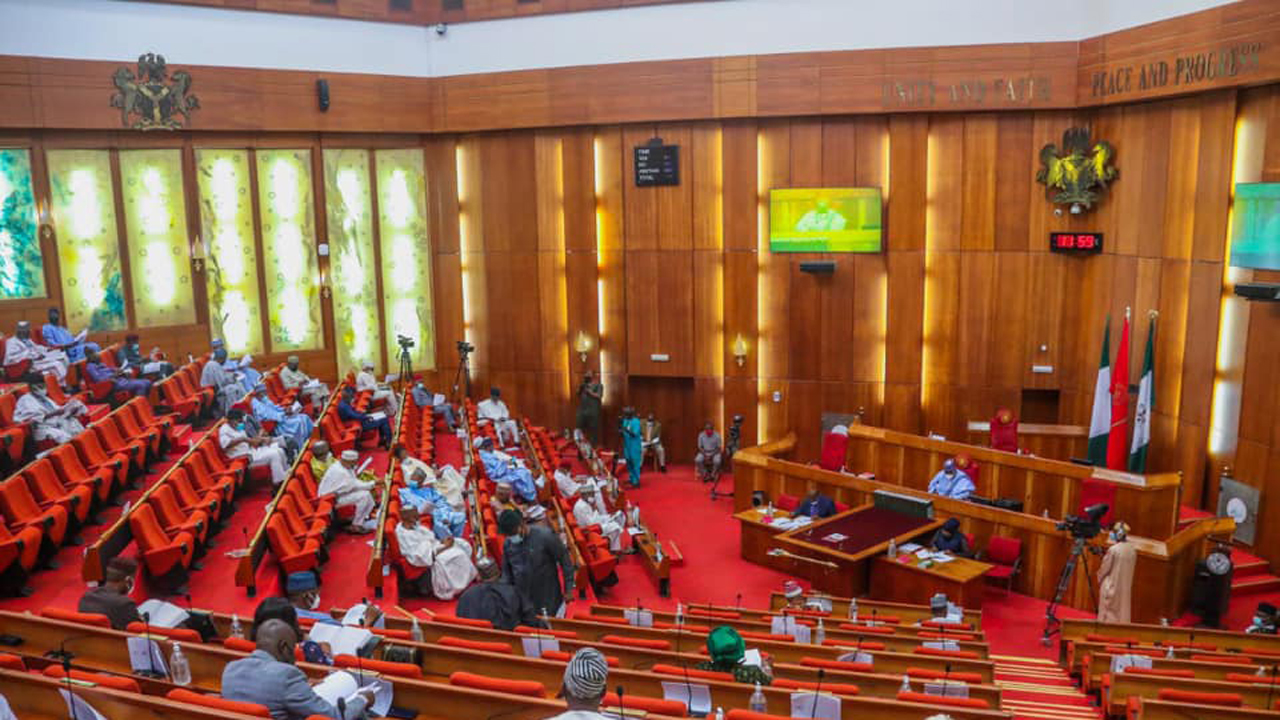
A coalition of civil society organisations has called on Nigeria’s National Assembly to withdraw proposed legislation that it says could weaken constitutional rights, restrict civic participation and expand government control over independent organisations.
The groups raised their concerns during a joint news conference held in Abuja on Monday, August 3, 2026.
They warned that the legislative proposals could affect freedom of expression, peaceful assembly, association, media independence, access to information and democratic participation ahead of Nigeria’s 2027 general elections.
Civil Society Leaders Sign Joint Statement
The statement was endorsed by several civil society leaders, including Auwal Musa Rafsanjani, Executive Director of the Civil Society Legislative Advocacy Centre; Dauda Garuba, Director of the Centre for Democracy and Development; and Olubunmi Aweda, Country Manager of Global Rights.
The source report said no fewer than 89 civil society organisations supported the position presented at the conference.
The coalition asked the Senate President, the Speaker of the House of Representatives and other federal lawmakers to reconsider proposals that could affect the work of civil society organisations, journalists and digital platforms.
Groups Oppose Foreign Aid Regulation Bill
One of the coalition’s main concerns is the Foreign Aids (Regulation, Transparency and Disclosure) Bill, 2026, identified as Senate Bill 1034.
The proposal was formally listed for first reading in the Senate on May 6, 2026, under the sponsorship of Senator Ibrahim Hassan Dankwambo of Gombe North. It has since passed second reading, according to legislative monitoring information published by the Policy and Legal Advocacy Centre.
The bill seeks to establish a Foreign Aid Regulatory Commission responsible for monitoring, registering and regulating recipients of foreign grants, donations, technical assistance and other forms of external support.
The civil society organisations acknowledged the importance of transparency in the management of foreign assistance but argued that the proposed commission would possess excessive regulatory powers.
CSOs Raise Concerns Over Regulatory Duplication
The coalition said some of the proposed commission’s responsibilities were already being performed by institutions such as the Corporate Affairs Commission, the Economic and Financial Crimes Commission and the Special Control Unit Against Money Laundering.
They argued that creating another regulatory agency could increase administrative burdens without necessarily addressing existing accountability gaps.
The bill would reportedly require recipients of foreign assistance to register, provide extensive reports, undergo audits and comply with sanctions imposed under the proposed framework.
According to the coalition, such provisions could interfere with legitimate activities, including humanitarian assistance, election observation, anti-corruption advocacy, legal aid and human rights monitoring.
Social Media Office Requirement Criticised
The organisations also opposed a separate proposal that would compel social media platforms, data controllers and data processors operating in Nigeria to maintain physical offices in the country.
They warned that the requirement, particularly when backed by the possibility of prohibiting non-compliant platforms from operating, could give the government increased leverage over major digital communication services.
Media rights advocates have similarly raised questions about the proposal’s possible effects on freedom of expression, access to information, data protection and the operation of global technology companies in Nigeria.
The coalition argued that forcing digital platforms to establish local offices could facilitate censorship, discourage investment and restrict Nigerians’ access to online information.
Proposed Laws Could Encourage Self-Censorship
The civil society groups said the timing of the proposals was particularly important because Nigeria was preparing for another general election in 2027.
They warned that legislation capable of increasing state control over civil society, journalism and digital communication could create fear and encourage self-censorship.
According to the organisations, citizens, journalists, advocates and political actors should be able to participate in public debate without facing unnecessary restrictions.
They maintained that independent advocacy, investigative reporting and public scrutiny were essential elements of democratic accountability rather than threats to government authority.
Coalition Cites Constitutional Protections
The groups argued that the proposed laws were inconsistent with protections contained in Nigeria’s Constitution.
They also cited the African Charter on Human and Peoples’ Rights and other international agreements covering freedom of expression, association, peaceful assembly and democratic participation.
These claims represent the coalition’s legal interpretation of the proposed bills, which remain subject to legislative consideration and possible amendment.
The organisations urged lawmakers to ensure that future legislation affecting civic space complied with Nigeria’s constitutional and international human rights obligations.
Lawmakers Asked to Consult Stakeholders
The coalition called for meaningful consultations with civil society organisations, journalists, professional associations, digital rights advocates and development partners.
It said stakeholders likely to be affected by the proposed laws should be allowed to contribute before the National Assembly proceeds with major regulatory changes.
Rafsanjani urged public officials in the executive, legislative and judicial branches to promote fairness, transparency and accountability.
He said government institutions should create an enabling environment in which citizens could exercise the freedoms guaranteed by the Constitution.
The coalition also asked the National Assembly to strengthen openness and public accountability rather than approve measures it considered restrictive.