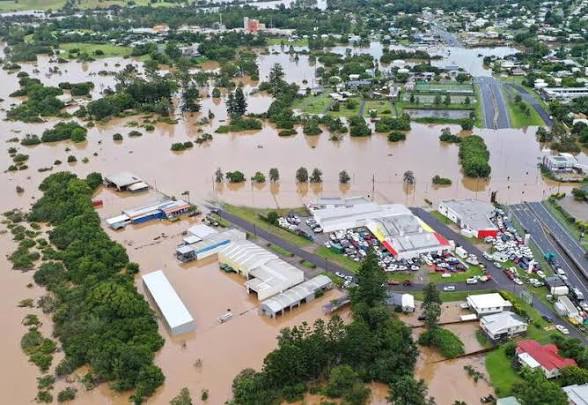
The Anambra State Ministry of Environment has attributed the increasing cases of flooding and erosion in the state to human activities rather than heavy rainfall.
Mrs. Ijeoma Onyekwelu, Head of the Department of Environment and Ecology, explained that while the rainy season is essential for agriculture, groundwater recharge, and ecological balance, poor environmental practices are exacerbating flooding and soil erosion.
She identified key contributors including indiscriminate refuse dumping, blocked drainage channels, and unregulated construction activities. “When drains are clogged with silt and waste, water cannot follow its natural course and floods homes, roads, and communities,” Onyekwelu said.
The ministry has initiated a statewide desilting exercise to clear drainage systems ahead of the peak rainy months. Proper maintenance of drains, she explained, is crucial for minimizing flood risks.
Onyekwelu also raised concerns about the widespread use of cemented surfaces and interlocking stones in residential compounds. These surfaces prevent rainwater from seeping into the soil, increasing runoff that overwhelms drainage systems and contributes to flooding.
Under the Anambra Environmental Management Protection and Administration Law 2024, property owners are required to maintain at least 35% of their compounds as bare earth and provide catchment pits to control surface runoff. Enforcement of these regulations has already begun.
The official urged residents to comply with environmental laws and avoid dumping refuse into waterways to reduce flood risks as the rainy season intensifies. “If areas remain free and natural, water can flow without causing damage. Compacting surfaces and clogging drains worsens flooding for everyone,” she added.