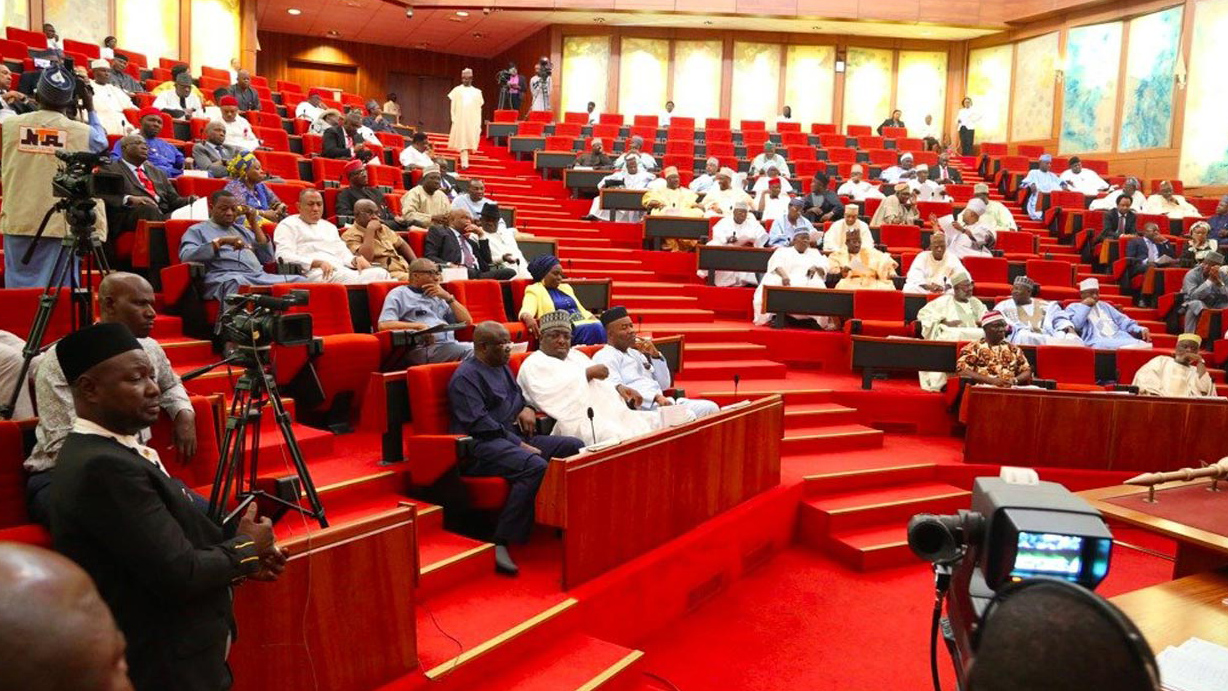
The Nigerian Senate has ordered a suspension of legislative work on bills proposing new universities, polytechnics and other tertiary institutions, following the Federal Government’s decision to prioritise the development of existing schools.
The directive was announced during plenary on Wednesday, November 4, 2026, as lawmakers considered the government’s position on expanding the country’s higher education system.
Senate Leader Opeyemi Bamidele called on relevant Senate committees and the Clerk to stop processing proposals for additional tertiary institutions in line with the policy.
According to Bamidele, the Federal Government wants existing universities and other higher education institutions to receive adequate attention before further expansion is considered.
He explained that lawmakers must recognise the policy when introducing or reviewing bills relating to the establishment of new institutions.
Tinubu Opposes New Universities for Five to Seven Years
Senate President Godswill Akpabio confirmed that President Bola Ahmed Tinubu had discussed the issue with the leadership of the National Assembly.
Akpabio disclosed that the President opposed the creation of additional universities, polytechnics and other tertiary institutions for a period of five to seven years.
The proposed pause is intended to give existing institutions sufficient time to improve their infrastructure, strengthen academic operations and address outstanding development challenges.
Akpabio expressed concern that some recently approved universities had yet to become fully operational.
He observed that several institutions were still struggling to secure permanent locations or complete essential groundwork required for their development.
The Senate President argued that establishing a university involves substantial financial, administrative and academic responsibilities that must be carefully considered.
Senate Directs Committees to Stop Processing New University Bills
Bamidele urged the Clerk of the Senate to inform lawmakers about the Federal Government’s position, noting that some members might not be familiar with the policy.
He also advised Senate committees responsible for education matters to avoid forwarding bills for new tertiary institutions to plenary.
The Senate Leader acknowledged that legislators often face pressure to support proposals from colleagues seeking universities or other institutions for their constituencies.
However, he maintained that compliance with the government’s policy was necessary to prevent further expansion without adequate investment in existing facilities.
Following the discussions, Akpabio directed the Clerk to ensure that bills proposing additional tertiary institutions were no longer scheduled for consideration.
Why the Federal Government Wants to Limit New Universities
The latest decision reflects growing concern about the capacity of Nigeria’s tertiary education system to accommodate newly established institutions.
According to the Senate leadership, some recently created universities have not secured the infrastructure and facilities needed to operate effectively.
Akpabio stressed that universities serve a national purpose and should not be established solely to satisfy demands from individual communities or political constituencies.
He explained that federal universities are expected to admit qualified students from different parts of Nigeria, regardless of where the institutions are located.
The Senate President also pointed to previous government efforts to distribute federal universities across the country.
He said attention should now shift towards strengthening those institutions rather than continuing to approve new ones.
What the Senate’s Decision Means for Higher Education
The directive could affect pending legislative proposals seeking the establishment of federal universities, polytechnics and other tertiary institutions.
Under the Senate’s position, relevant committees are expected to suspend further consideration of such proposals while the Federal Government’s policy remains in effect.
The move places greater emphasis on improving existing campuses, providing essential facilities and ensuring that recently established institutions become fully operational.
However, the announcement does not mean that existing universities will close or that admissions into established tertiary institutions have been suspended.
It concerns proposals for creating additional institutions, rather than the continued operation of schools already in existence.
The reported five-to-seven-year period reflects the President’s position as conveyed by the Senate President. The proceedings did not establish a specific commencement or expiry date for the proposed freeze.
Senate Adjourns Plenary Until November 10
Following the announcement and other legislative proceedings, the Senate adjourned plenary until Tuesday, November 10, 2026, at 11 a.m.
The decision signals a shift in legislative priorities towards consolidating existing investments in Nigeria’s higher education sector before considering further institutional expansion.