Nigeria could officially bring its latest Ebola health emergency to an end on December 7, 2026, if no additional infections are detected and health authorities confirm that the required monitoring period has been completed.
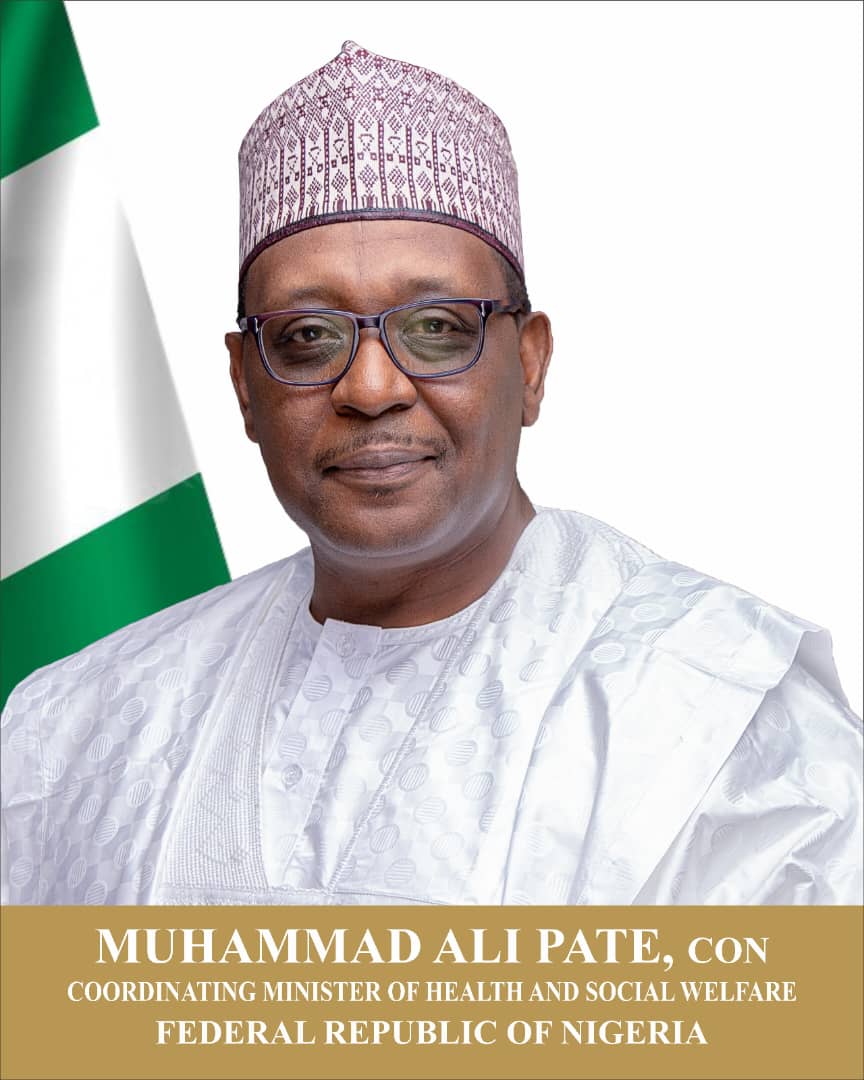
The Coordinating Minister of Health and Social Welfare, Prof. Muhammad Pate, announced the tentative date on Monday, October 26, following the transfer of the country’s first reported patient in the current incident to Switzerland for further medical care.
In a statement shared through his official X account, Pate explained that the proposed timeline was subject to verification by the Nigeria Centre for Disease Control and Prevention (NCDC) and the World Health Organization (WHO).
He stressed that any newly confirmed infection could affect the timeline and require health officials to restart the 42-day monitoring period.
NCDC Continues Ebola Contact Tracing
Despite the possibility of declaring the incident over in December, Pate said Nigeria’s public health response would remain active.
Health authorities are continuing to monitor individuals who may have been exposed to the virus, investigate suspected infections and strengthen infection-control measures in hospitals.
The minister said federal response teams were working alongside the Federal Capital Territory Administration, state health authorities and international health partners to prevent further transmission.
He urged members of the public to remain calm, cooperate with contact-tracing officials and rely on verified health information rather than rumours circulating online.
Ebola Patient Transferred to Switzerland
Pate also confirmed that the woman identified as Nigeria’s index patient had been medically evacuated to Switzerland on Monday after showing considerable improvement.
According to the minister, the patient was conscious, communicating and in stable condition before the transfer.
He said medical tests indicated that several of her clinical measurements were returning towards normal levels.
However, Pate cautioned that improvements in a patient’s condition do not automatically mean the person is no longer capable of transmitting the virus.
The woman travelled with her husband, who had not developed symptoms at the time of the announcement.
How Nigeria’s Latest Ebola Case Was Detected
Nigeria confirmed an imported case of Bundibugyo Ebola Virus Disease on October 20, 2026, after a woman who had recently travelled to Uganda tested positive for the infection, according to the NCDC information cited by the News Agency of Nigeria.
Following the diagnosis, health officials identified 53 people who had potentially come into contact with the patient.
Those placed under monitoring included healthcare personnel, domestic workers and the patient’s spouse.
At the time of the minister’s latest update, none of the identified contacts had tested positive, according to the information available in the report.
The absence of additional confirmed infections has raised hopes that the virus can be contained without wider community transmission.
Health Officials Investigate Possible Regional Connection
On October 23, Pate disclosed that genomic analysis had identified similarities between the virus detected in the Nigerian patient and a strain associated with an index case in Kenya.
However, he warned against interpreting the findings as proof that the two infections were directly connected.
Genetic similarities can help scientists understand how viruses are related, but additional epidemiological investigations are needed to establish where and how an individual became infected.
The minister said investigations and surveillance would continue as health officials worked to understand the circumstances surrounding the imported case.
Federal Government Strengthens Ebola Surveillance
In response to the infection, Nigerian health authorities have increased monitoring at international entry points and reinforced disease-prevention procedures in healthcare facilities.
Hospitals and other medical centres have also been urged to maintain appropriate infection-control standards and report suspected cases promptly.
The government is particularly focused on early detection, contact tracing and protecting healthcare workers who may encounter patients with symptoms of Ebola Virus Disease.
Pate said cooperation between government agencies, medical professionals and residents would remain essential to preventing further infections.
What Must Happen Before Nigeria Declares Ebola Over?
The proposed December 7 date is based on a 42-day countdown, subject to confirmation by the NCDC and WHO.
Under established Ebola outbreak-response procedures, health authorities generally wait 42 days after the last relevant case is no longer capable of transmitting the virus before declaring an outbreak over.
The period is equivalent to twice the maximum recognised incubation period of Ebola Virus Disease.
However, the precise starting date depends on the circumstances of the last case and the applicable public health criteria.
Pate maintained that the December deadline remained provisional and could change if another infection was detected.
He encouraged Nigerians to follow official updates and cooperate with health officials while surveillance and preventive measures continue.