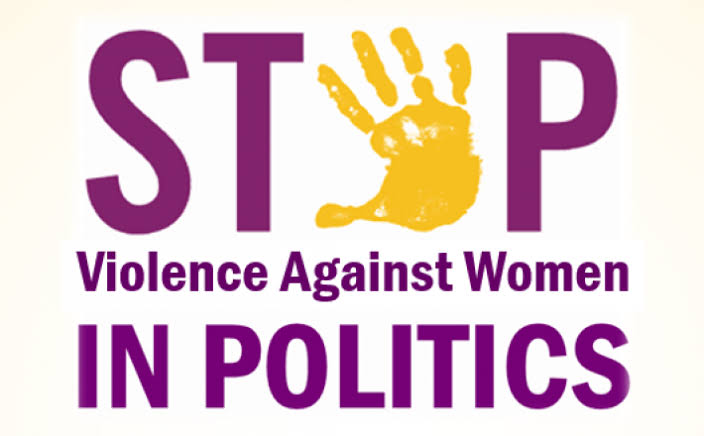
The Executive Director of the African Radio Drama Association (ARDA), Mrs Adebisi Adetunji, warns that violence against women in politics is a pervasive and disturbing violation of human rights.
While speaking at the Advance: Women Political Participation in Nigeria (AWPP) Project in Ilorin on Friday, she highlighted that this act was especially concerning in Nigeria, where women were often sidelined in political matters.
Adetunji cited a 2019 National Demographic Institute study that found that 60 per cent of women politicians had experienced violence or harassment.
Similarly, the Women’s Right Advancements and Protection Alternative 2020 survey showed that 40 per cent of women faced sexual harassment, adding that these violence discourages women from participating in politics, perpetuating their under-representation.
“The patriarchal system in Nigeria shapes women’s roles, including in political leadership, perpetuating sexist hierarchy where men are seen as superior and continue to push gender norms that negatively affects women.
“Gender roles and norms dictated by patriarchy confine women from participating in political leadership.
“The result is a political landscape that lacks diverse perspectives, fails to address gender specific issues adequately, and perpetuates inequality, ultimately undermining the effectiveness and inclusiveness of governance,” she said.
According to her, this in turn has impacted on how the public gets involved and supportive of women’s political aspirations and campaigns.
Adetunji stated that women in political leadership often face stereotype that depicts them as less competent or assertive compared to men.
She observed that these stereotypes can affect their political campaign, media coverage and voter perceptions, adding that women politicians are often judged more harshly for their appearance, emotional expressions and leadership styles.
She, therefore, advocated education and awareness programmes aimed at educating both men and women including students and pupils about importance of women’s involvement in politics.
“There is need to encourage and support women candidates, implement gender quotas and affirmative action,” she said.
Adetunji also called for the need to address gender-based violence and harassment, while also appealing to government at all tiers to create family friendly policies among others.