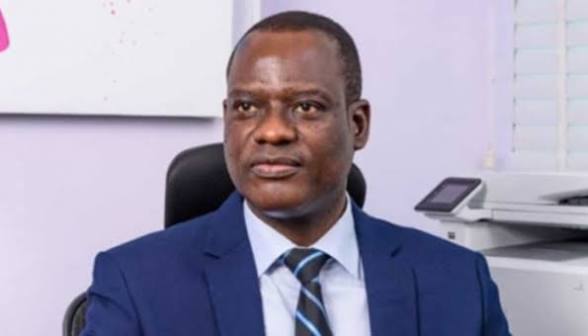
The Minister of Finance and Coordinating Minister of the Economy, Mr Taiwo Oyedele, says President Bola Tinubu’s economic reforms helped avert what could have been a major collapse of Nigeria’s economy.
Oyedele made the claim on Tuesday in Abuja at the 2026 Nigeria Employers’ Summit, organised by the Nigeria Employers’ Consultative Association (NECA).
He spoke on the theme: “The Reforms in Focus: The Milestones, The Challenges, The Prospects.”
The minister said Nigeria was approaching a critical economic point before the introduction of key reforms, particularly the removal of fuel subsidy.
According to him, the country had less than three months of fuel stability left before a nationwide crisis could have emerged.
“Before the subsidy removal, Nigeria had less than three months before a major fuel crisis,” he said.
He explained that the subsidy regime had become financially unsustainable, forcing government to rely on borrowing and oil-backed commitments to sustain petrol supply.
Oyedele said the reforms initially triggered economic pressure, including rising fuel costs, inflation, transport increases, and exchange rate adjustments.
However, he maintained that the economy has now moved into a more stable phase.
“We have moved from volatility to stability,” he said, adding that stability is essential for sustainable growth and job creation.
The minister said the government’s focus has shifted to accelerating job-rich economic growth, targeting about 7 per cent annual GDP growth.
He added that the aim is to achieve at least 5 per cent per capita income growth across sectors.
Oyedele urged Nigerians to remain patient with ongoing reforms, saying the sacrifices made must translate into long-term economic benefits.
He also defended government fiscal policies, stressing that Nigeria cannot sustain welfare programmes through monetary expansion or excessive money printing.
“Government must generate adequate revenue before redistributing resources,” he said.
Oyedele added that Nigeria’s debt profile remains relatively stable, noting that the country still has one of the lowest debt-to-GDP ratios globally.
The minister urged Nigerians to better understand government policies before criticising them, warning that negative narratives could discourage investment.
He said sustained misinformation or pessimism about the economy could increase the cost of economic recovery.
“You cannot effectively hold government accountable through anger alone,” he stated.
Also speaking at the summit, the Director-General of the National Health Insurance Authority (NHIA), Dr Kelechi Ohiri, called for increased investment in healthcare.
He said expanding health insurance coverage remains key to improving productivity and reducing poverty.
Ohiri disclosed that enrolment under Nigeria’s health insurance system has risen from 16 million to 22 million people, representing a 34 per cent increase.
He added that over 50,000 women have benefited from free emergency obstetric services across more than 270 accredited hospitals.