


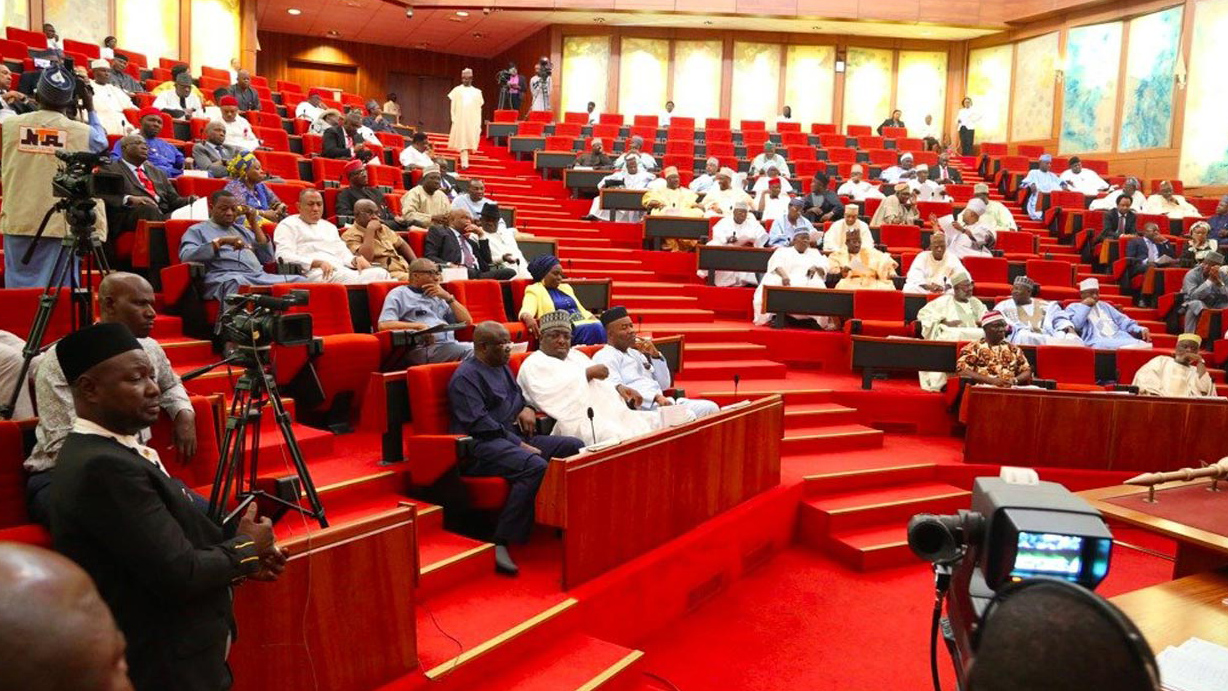
Nigeria’s proposed state police system has moved closer to becoming law after 28 State Houses of Assembly endorsed the constitutional amendment bill seeking to establish state-level policing across the country.
The development means the proposal has secured more than the minimum number of state legislative approvals required for a constitutional amendment under Section 9 of the 1999 Constitution.
The Clerk to the National Assembly, Kamoru Ogunlana, confirmed the development in a statement issued on Tuesday, November 3, in Abuja.
According to Ogunlana, the National Assembly has received and verified approval documents from 28 state legislatures, exceeding the constitutional requirement of 24 states.
State Police Bill Secures Required Two-Thirds Approval
Ogunlana explained that the proposed constitutional amendment was forwarded to all 36 State Houses of Assembly on September 16, 2026, for consideration.
The state legislatures were given 30 days to communicate their decisions, with the stipulated period ending on October 15.
He said 28 assemblies had approved the bill, meeting the two-thirds requirement for state legislative endorsement.
The Clerk added that his office conducted administrative checks on the reports submitted by the assemblies to confirm their authenticity.
These checks included reviewing the official votes and proceedings accompanying the resolutions.
He said the verification was necessary to ensure that the National Assembly accurately recorded the decisions taken by individual state legislatures.
NASS to Continue Receiving Responses From States
Although the bill has already secured the required number of approvals, Ogunlana said the National Assembly would continue receiving reports from state legislatures.
He explained that additional submissions could be accepted until the proposed amendment is formally transmitted for presidential assent.
The arrangement allows state assemblies that have not yet communicated their positions to complete their legislative processes.
However, the 28 approvals already received satisfy the state-level numerical requirement under Section 9, according to the Clerk.
Constitutional Amendment Process Nears Final Stage
The National Assembly is now carrying out the administrative procedures required before forwarding the State Police Bill to President Bola Ahmed Tinubu.
Ogunlana clarified that Section 9 of the Constitution does not expressly require a third reading for constitutional alteration bills in the same manner as ordinary legislation.
He said the necessary documentation was being prepared in accordance with the applicable legal framework, including the Authentication Act.
The Clerk indicated that the bill would be transmitted for presidential consideration after the relevant procedures were completed.
Importantly, the latest development does not mean state police services have already been established.
The proposal remains part of an ongoing constitutional amendment process, and further official steps must be completed before the new policing structure can take legal effect.
What State Police Could Mean for Nigeria
The proposed constitutional change is intended to provide a legal framework for policing at the state level, alongside Nigeria’s existing federal security arrangements.
Under the current constitutional structure, the Nigeria Police Force operates as a national institution, with policing powers primarily exercised through the federal system.
Supporters of state policing argue that allowing states to establish their own police services could improve responses to local security threats.
They believe state-level security agencies may be better positioned to understand community conditions and respond to incidents involving kidnapping, armed robbery, communal violence and other crimes.
However, concerns have also been raised about funding, recruitment standards, accountability and the possibility of political interference.
The final constitutional provisions and any subsequent implementing legislation will be important in determining how state police services are established, regulated and supervised.
State Police Debate Gains Momentum Amid Security Challenges
Calls for decentralised policing have continued for years as Nigeria confronts security challenges across different regions.
Several state governments already support local security initiatives, including community-based and regional security organisations.
However, such arrangements operate within existing legal limits and do not have the same constitutional status as fully established state police services.
A constitutional amendment would create an opportunity to define the responsibilities and powers of state-level police institutions more formally.
It would also raise important questions about cooperation between federal and state security agencies.
National Assembly Highlights Significance for Federalism
Ogunlana described the state assemblies’ approval as an important development in efforts to strengthen Nigeria’s security system and federal structure.
He thanked the participating state legislatures for their cooperation during the constitutional alteration process.
The Clerk also assured Nigerians that his office would continue providing updates on the amendment until the remaining procedures were completed.
With 28 state assemblies having endorsed the proposal, attention now turns to the formal transmission process and the next constitutional steps.
The development represents a major legislative milestone in the long-running debate over whether Nigeria should operate both federal and state police services.