


Traditional approaches to ending banditry—where armed groups meet behind closed doors to hammer out a truce—are falling short in the face of 21st century insurgencies.
The number of criminal onslaughts have been increasing over the past decades.
In the field of international development, decades of evidence of women’s positive impact on socioeconomic outcomes has changed the way governments, donors, and aid organizations do their work. The same cannot be said for the field of peace and security, where women have been thoroughly and consistently excluded.
Despite a crescendo of calls for women’s participation in decision making surrounding peace and security over the last two decades, change has been slow to follow.
For example, findings revealed that women made up just two per cent of mediators and nine percent of negotiators in official peace talks between 1992. And just two per cent of funding dedicated to peace and security goes to gender equality or women’s empowerment.
The full impact of women’s participation on peace and security outcomes remains poorly understood.
There is overwhelming quantitative evidence that women’s empowerment and gender equality are associated with peace and stability in society. In particular, when women influence decisions about war and peace and take the lead against extremism in their communities, it is more likely crises will be resolved without recourse to violence.
Statistical analysis of the largest dataset on the status of women in the world today shows that where women are more empowered in multiple spheres of life, countries are less likely to go to war with their neighbors, to be in bad standing with the international community, or to be rife with crime and violence within their society.
It is also a statement of fact that security sectors that reflect the communities they serve are more likely to be accessible and more effective in establishing and maintaining peace and stability.
By increasing the inclusion of women, we strengthen security and conflict prevention in a pragmatic way. This ultimately leads to more stable and sustainable security for all.
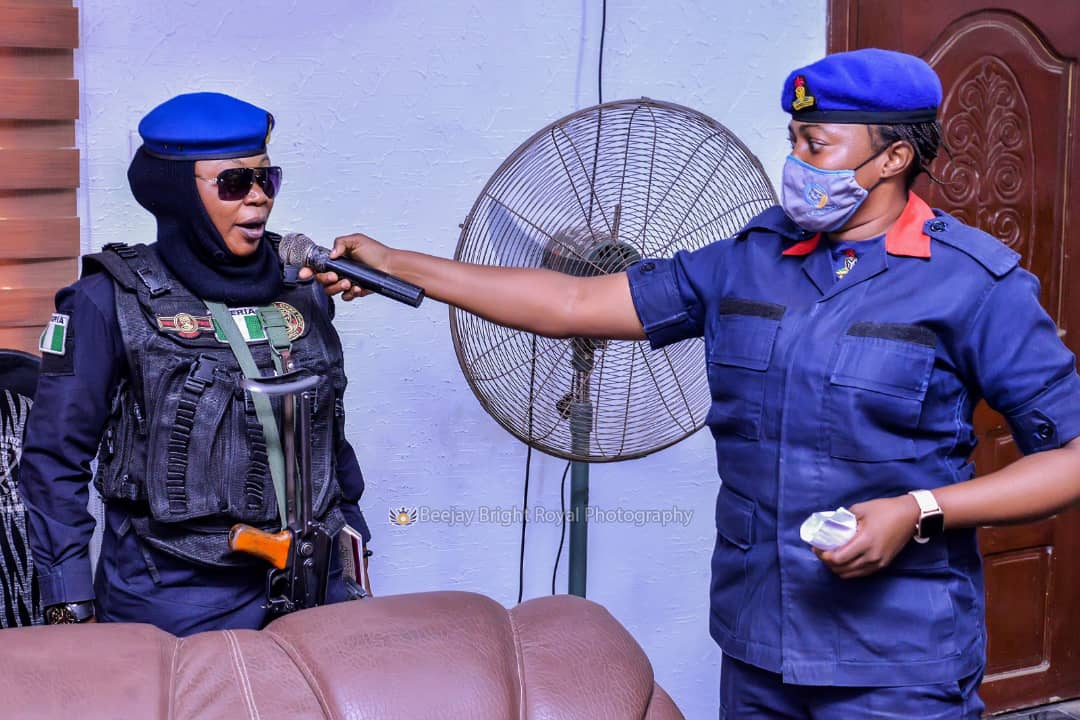
Consequently, the Federal Government, through the Minister of Interior, Mr. Rauf Aregbesola, in collaboration with the Nigeria Security and Civil Defence Corps (NSCDC), is of the conviction thet women’s leadership in security is not just a benefit, it is a necessity, as it is enshrined in the United Nation’s Security Council Resolution (UNSCR) 1325 on Women, Peace and Security, which, already over 20 years ago, affirmed that peace and security efforts are more sustainable and effective when women are equal partners.
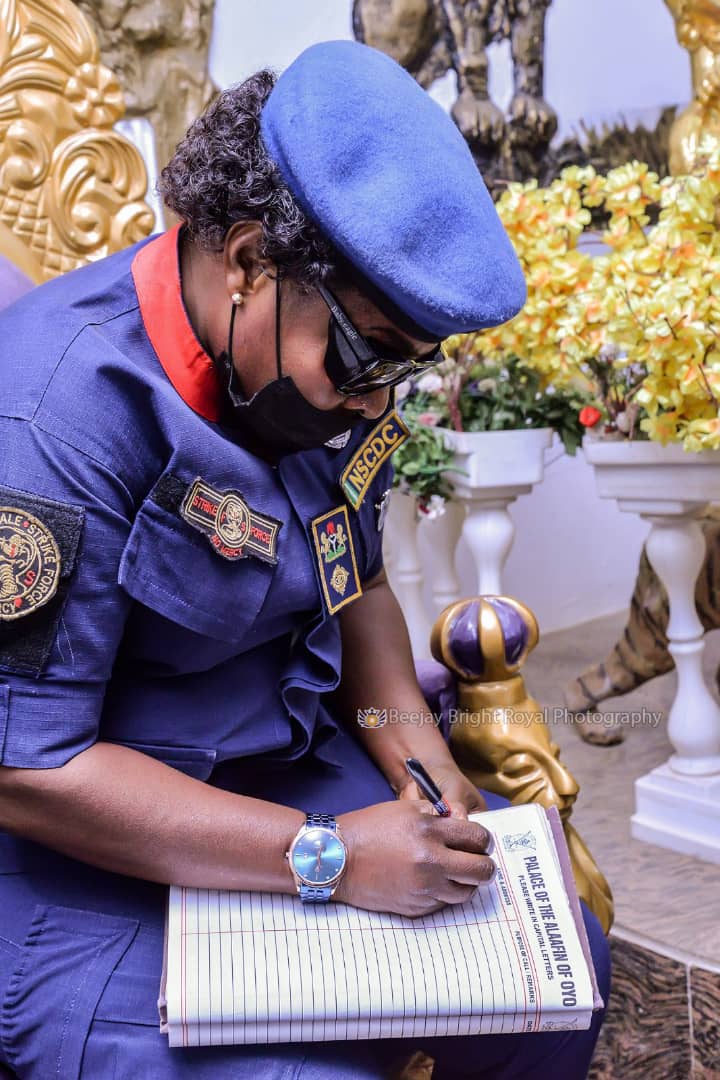
Beyond just words, the Federal Government also agreed that there is concrete evidence that women’s participation in crime and conflict prevention as well as resolution improves outcomes.
This is line with a United Nations Global Study on 1325 (2015) which showed that peace processes have a 20 to 35% higher chance of lasting when women participate.
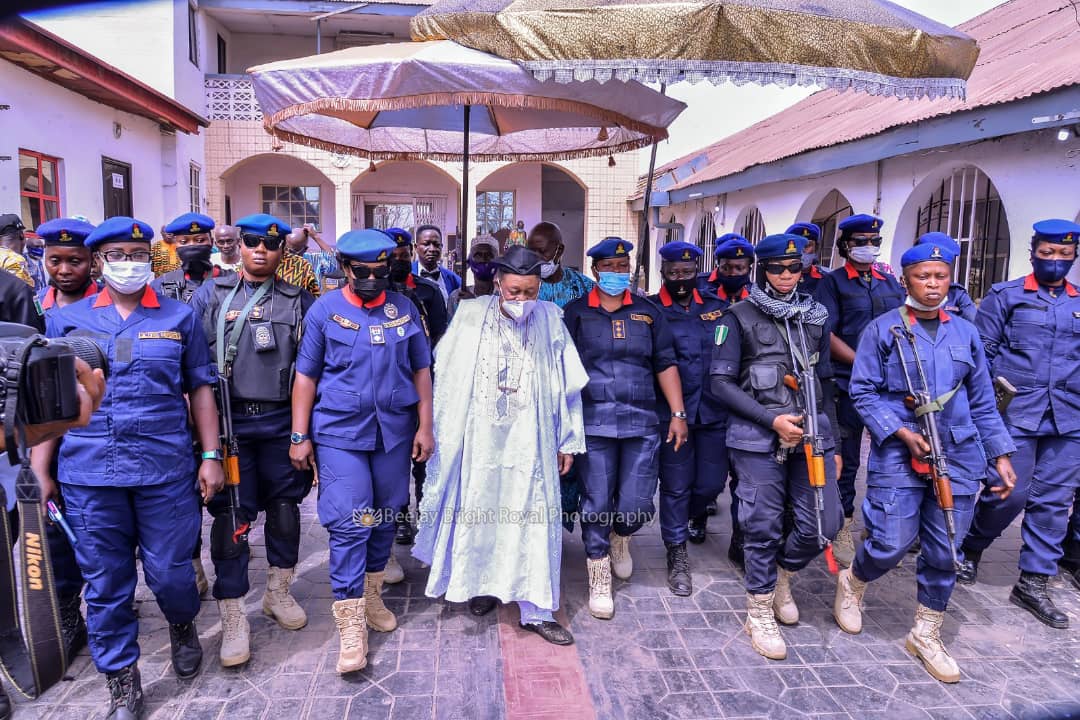
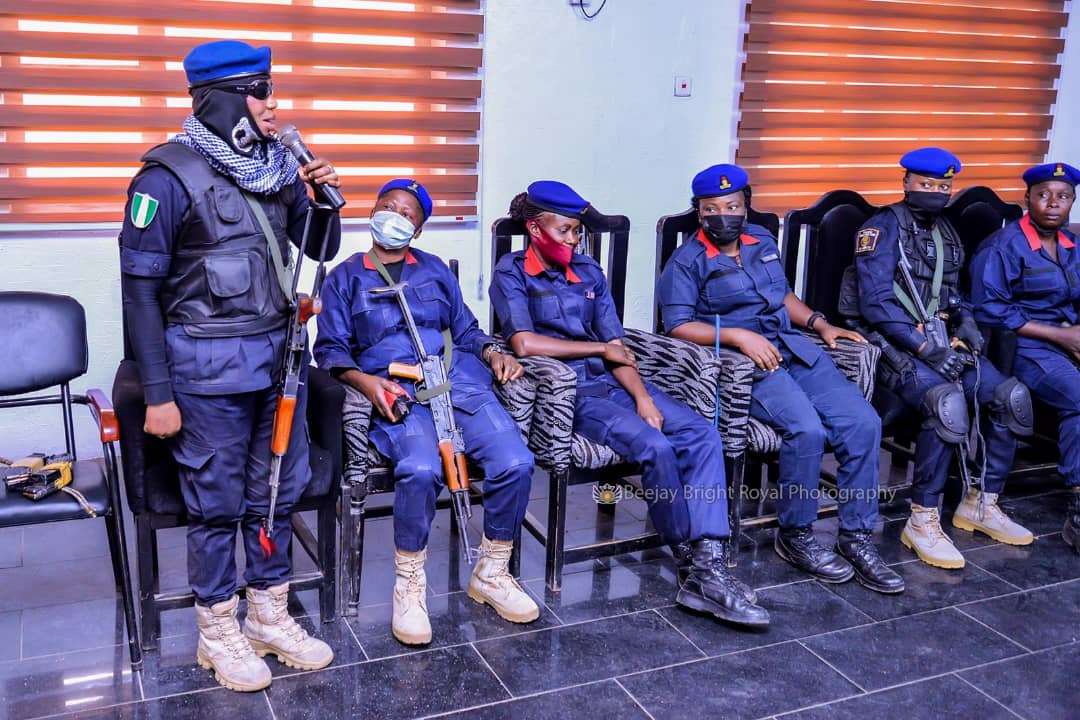
The Federal Government, however, set the ball rolling with the establishment of Female Strike Force under the Nigeria Security and Civil Defence Corps (NSCDC). The striking force consists mainly of women armed to combat all forms of criminal activities across the country , after months of rigorous trainings.
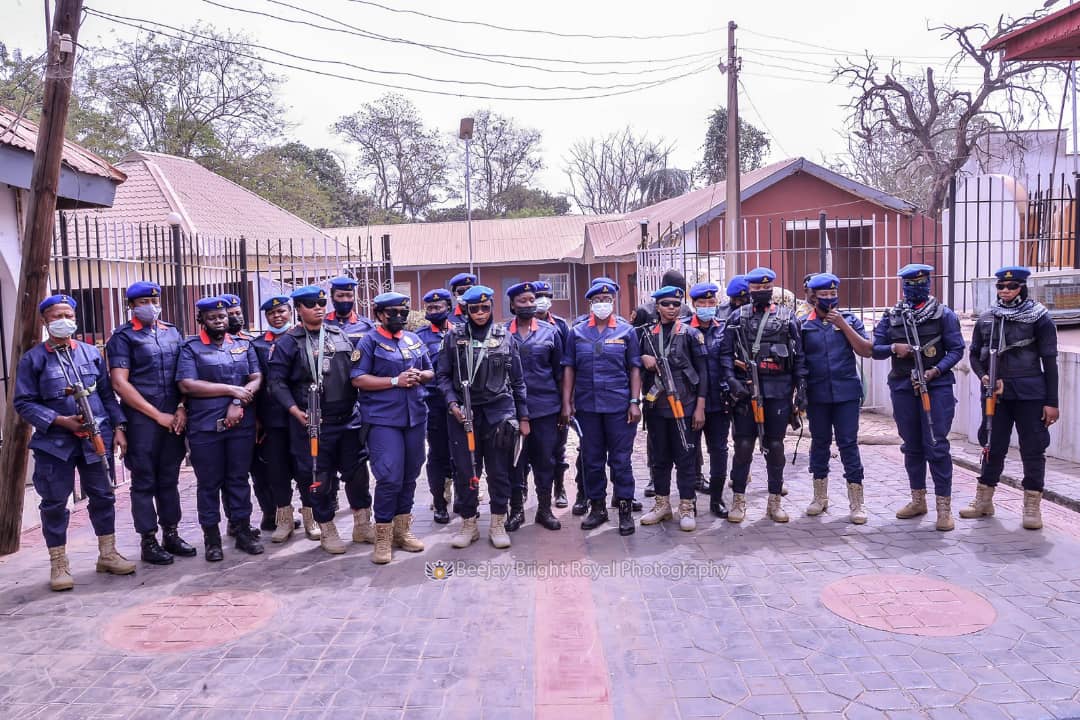
Presently, the Female Strike Force, with its headquarters in Abuja, is headed by the National Commandant, Chief Superintendent Imonike Oluwakemi.
Seeing the battle ready members of the Female Strike Force in action and their physiques is enough to cause psychological trauma to evil and criminally-minded people in the society.

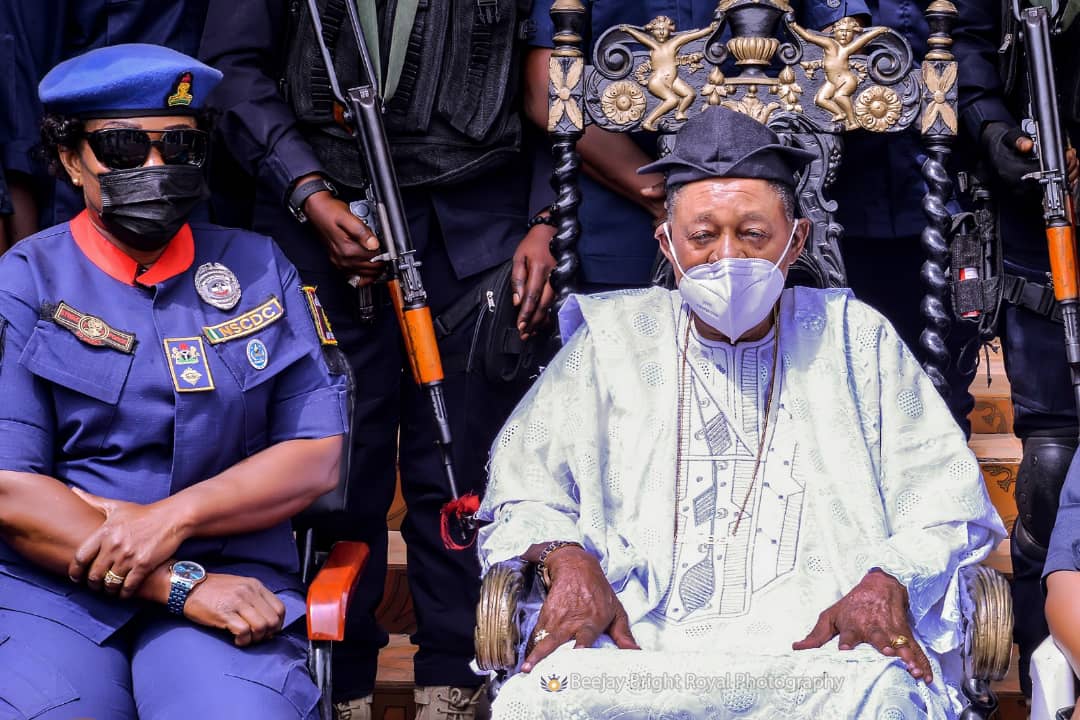
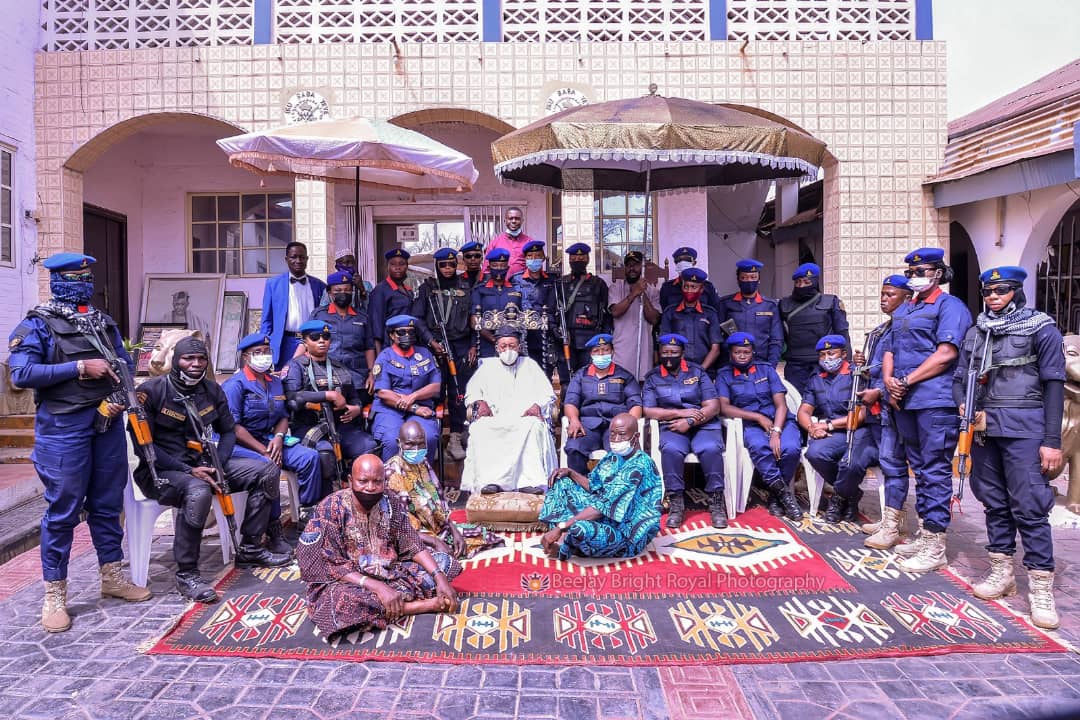
The appearance of some members of the Female Strike Force from Abuja, led by the National Commandant, Imonike Oluwakemi, in the ancient town of Oyo on Monday during a courtesy visit to the Alaafin of Oyo, not only caused stir, but sent warning signal to those planning to do evil.
In her short address, the Female Strike Force Commandant, Imonike Oluwakemi, said they were in the Palace to intimate the Paramount Ruler on the establishment of a female strike force under the NSCDC and to seek for royal blessing.
Oluwakemi disclosed that the Oyo State Command of the Female Strike Force will be launched on Tuesday in Ibadan, the state capital.
The Commandant, who warned criminals and evil-minded people to keep off from the state, added that attention would also be focused on schools, so as to checkmate undesirable acts among pupils and students and rid the state of crimes.
Earlier, the Alaafin of Oyo, Oba (Dr.) Lamidi Olayiwola Adeyemi 111, lauded the Federal Government for its paradigm shift in security architecture, adding that Nigerians can begin to have respite on the provision of adequate security for lives and property.
Said he: “the relationship between women’s participation and peace duration may be partly explained by women’s inclusive approach to governance in postconflict environments and the perception of trust associated with them.
“Like men, women play a variety of roles when conflict threatens. A small minority of women join and support terrorist organizations when they perceive no other options to address their grievances. Women are often the first to stand up against terrorism, since they are among the first targets of fundamentalism, which restricts their rights and frequently leads to increases in domestic violence before it translates into open armed conflict. For the same reason, women are well placed to detect early warning signals of oncoming violence or radicalization that men may miss. When women serve in police forces—which research shows are more effective at combating terrorism than militaries— this can be a particularly valuable skill, as they bring a complementary understanding of the threat environment in the communities they serve.
“Women in police forces can access the female half of the population that may be closed off to men in conservative cultures, and women are more likely to report gender-based violence to female officers”.