


Nigeria’s growing shortage of orthopaedic specialists, inadequate trauma facilities and rising cost of treatment have prompted renewed calls for urgent reforms to improve access to bone, joint and injury-related healthcare.
Medical experts say millions of Nigerians face difficulties accessing timely specialist treatment, particularly in rural communities where hospitals lack experienced surgeons, modern equipment and emergency medical services.
The warning was raised at the 49th Annual General Meeting and Scientific Conference of the Nigerian Orthopaedic Association (NOA), held in Abuja under the theme, “Access to Orthopaedic Care in Nigeria: Challenges and Opportunities.”
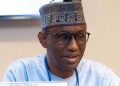
Former Minister of Health, Prof. Onyebuchi Chukwu, who delivered the keynote address, described the country’s specialist workforce shortage as a major obstacle to effective trauma management.
Chukwu estimated that Nigeria had approximately one orthopaedic surgeon for every 400,000 people, with specialists disproportionately concentrated in major urban centres.
He identified the migration of medical professionals, inadequate hospital infrastructure, expensive treatment, weak ambulance services and growing dependence on traditional bone setters as factors worsening the situation.
He also highlighted the absence of a comprehensive national directory of orthopaedic specialists and treatment facilities, saying the gap made it difficult for patients to identify where appropriate care was available.
According to him, improving access requires governments to expand specialist training, introduce incentives to retain experienced surgeons and strengthen the capacity of other healthcare workers to manage appropriate cases.
He proposed training medical officers, nurses and community health workers to provide selected services under proper professional supervision.
Chukwu also advocated structured engagement with traditional bone setters to encourage early referrals and reduce complications arising from poorly managed fractures.
He said Nigeria must address four fundamental dimensions of healthcare access: availability, affordability, acceptability and accessibility.
Borno highlights growing trauma burden
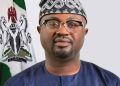
Borno State Governor, Prof. Babagana Zulum, represented by the Commissioner for Health, Prof. Baba Mallam-Gana, described orthopaedic surgeons as essential frontline professionals in communities affected by insurgency and road accidents.
He said prolonged insecurity had placed enormous pressure on the state’s healthcare system, particularly in the management of fractures, severe injuries and other trauma-related conditions.
Zulum described Borno’s experience as an example of how prolonged conflict could increase the demand for specialist medical services.
He also raised concerns about the country’s limited specialist workforce, saying Nigeria had fewer than 400 orthopaedic surgeons serving a population of approximately 230 million.
The governor said his administration was responding through investments in specialist healthcare infrastructure, medical training and improved trauma services.
He further advocated collaboration with traditional bone setters, noting that a significant proportion of patients with fractures initially sought their assistance before approaching conventional hospitals.
Nigeria’s surgeon numbers require clearer national records
The figures presented at the conference highlight the seriousness of the workforce debate, although available estimates differ.
A 2024 peer-reviewed study on orthopaedic and sports medicine research in Nigeria estimated that the country had approximately 350 qualified orthopaedic surgeons.
However, the Nigerian Orthopaedic Association’s 2026 conference sponsorship prospectus describes the association as having approximately 600 members.
The figures may reflect different categories, including qualified specialists, professional association membership and surgeons actively practising within Nigeria.
A comprehensive and regularly updated national workforce register would help establish the actual number of available specialists and their geographical distribution.
Road accidents increase demand for trauma services
Nigeria’s road safety statistics further illustrate the pressure on the country’s emergency and trauma healthcare system.
The Federal Road Safety Corps recorded 9,570 road traffic crashes in 2024, resulting in 5,421 deaths and 31,154 injuries nationwide.
Although not every road crash injury requires orthopaedic intervention, fractures, spinal injuries and other musculoskeletal trauma contribute significantly to the demand for specialised treatment.
The World Health Organisation has also identified road traffic injuries as an important public health challenge in Nigeria, reinforcing the need for stronger emergency response and post-crash care.
Experts say the absence of reliable ambulance services, delays in transporting accident victims and inadequate emergency facilities can worsen injuries before patients reach specialist hospitals.
Traditional bone setters remain part of Nigeria’s fracture-care system
The conference also drew attention to the widespread use of traditional bone-setting services, particularly among communities where formal orthopaedic treatment is expensive or difficult to access.
For many families, traditional practitioners are more accessible and may appear less expensive than specialist hospitals.
However, medical research has documented complications associated with improperly managed fractures, including infections, abnormal bone healing, non-union and, in severe cases, loss of affected limbs.
A systematic review published in 2021 found substantial complications among patients treated by traditional bone setters who subsequently presented for modern orthopaedic care.
The researchers nevertheless noted that appropriately trained traditional practitioners could contribute positively to early fracture management and referral systems.
Chukwu therefore called for structured cooperation rather than simply dismissing traditional practitioners, arguing that better referral arrangements could help patients receive appropriate treatment earlier.
Borno expands specialist healthcare infrastructure
Borno has undertaken several initiatives to improve access to specialised medical services following years of insecurity.
The National Orthopaedic Hospital, Azare, in Hawul Local Government Area, commenced clinical operations in December 2025 following the Federal Government’s takeover of the facility from the state government.
In November 2026, its Medical Director, Dr Ali Ramat, reported that the hospital had attended to 1,670 orthopaedic patients and performed 233 surgeries within its first 11 months of operation.
The procedures included hip and knee replacements, major fracture operations and spinal surgeries.
The facility has helped reduce the need for some patients to travel to distant cities for specialist treatment.
Borno is also developing a separate state-owned orthopaedic hospital as part of its wider healthcare expansion programme.
NOA explores technology and new models of care
The NOA conference is also examining how innovation could improve the delivery of orthopaedic services in Nigeria.
The Chairman of the Local Organising Committee, Dr Kennedy Aker, said discussions would cover artificial intelligence, robotics and collaborative practice models.
These technologies could improve surgical planning, diagnostic accuracy, rehabilitation and the management of complex injuries.
The association is also considering group practice models that would allow specialists to pool resources, share equipment and expand access to private orthopaedic services.
As part of the conference activities, the association organised free orthopaedic and trauma services across hospitals in the Federal Capital Territory for patients unable to afford specialised procedures.
NOA seeks practical solutions to healthcare access
The President of the Nigerian Orthopaedic Association, Prof. Elkanah Ayodele, said the conference was designed to identify practical measures for addressing the gap between the availability of specialist services and the ability of patients to access them.
He said the association wanted to see a healthcare system in which Nigerians could obtain quality orthopaedic treatment regardless of their income or geographical location.
Dr Umar Abubakar-Apeshi, the Osoho of Olosoho in Agwatashi Chiefdom, Obi Local Government Area of Nasarawa State, also described the conference as an important platform for professional exchange, research presentations and the development of new approaches to healthcare delivery.
The discussions come at a time when Nigeria faces broader challenges involving medical workforce shortages, inadequate healthcare financing and the migration of skilled professionals.
The Federal Government, working with the World Health Organisation, approved a National Health Workforce Migration Policy in 2024 to improve workforce retention, ethical recruitment, training and the distribution of health professionals.
For orthopaedic patients, however, the immediate challenge remains ensuring that qualified specialists, functional hospitals, affordable treatment and emergency services are available when injuries occur.
The conference is expected to generate recommendations for strengthening specialist training, improving trauma care and expanding access to orthopaedic services across the country.