


Nigeria’s top security officials have pledged impartial security arrangements and stronger cooperation to protect voters, political candidates and electoral officials ahead of the 2027 general elections, amid growing reports of politically motivated attacks across the country.
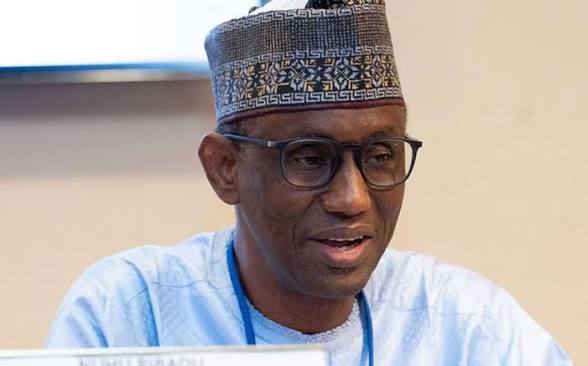
The National Security Adviser (NSA), Malam Nuhu Ribadu, and the Inspector-General of Police (IGP), Olatunji Rilwan Disu, gave the assurance on Thursday at a strategic election security conference organised by the Independent National Electoral Commission (INEC) and the Office of the National Security Adviser in Abuja.
Their assurances come against the backdrop of mounting security concerns. The Kimpact Development Initiative (KDI), through its Nigeria Election Violence Education and Reporting (NEVER) Project, documented 124 incidents of electoral violence resulting in 22 deaths across 35 states and the Federal Capital Territory between July 1 and November 23, 2026.
With the presidential and National Assembly elections scheduled for January 16, 2027, and governorship and State Houses of Assembly elections fixed for February 6, security preparations have become increasingly urgent.
Ribadu promises impartial conduct by security agencies
Ribadu said security agencies would operate without political bias and remain guided by the Constitution and applicable laws throughout the electoral process.
He stressed that the independence of INEC must be respected, adding that political parties, candidates, journalists, election observers and ordinary citizens should be able to participate in lawful democratic activities without intimidation.
According to the NSA, the Federal Government under President Bola Tinubu is committed to providing the protection necessary for peaceful, transparent and credible elections.
He explained that the responsibility of security agencies extended beyond election day, covering the entire electoral process, including campaigns, voting, collation and the period following the announcement of results.
Ribadu also warned that political desperation could encourage some candidates and their supporters to resort to violence in pursuit of electoral advantage.
He urged political actors to exercise restraint and respect the democratic rights of Nigerians, regardless of their political affiliations.
AI-generated misinformation emerges as security concern
The NSA identified the spread of false information through social media and emerging artificial intelligence technologies as another challenge confronting Nigeria’s electoral process.
He warned that fabricated reports and misleading online narratives could inflame tensions, provoke confrontations and create security problems within communities.
Ribadu called for stronger intelligence gathering, improved early-warning systems and the identification of potential conflict areas before incidents escalated into violence.
He maintained that security agencies must adopt preventive strategies rather than wait for attacks to occur before responding.
The warning comes as Nigeria prepares for an election cycle in which digitally manipulated videos, cloned voices and fabricated political statements could be used to mislead voters.
IGP pledges professionalism and police neutrality
Inspector-General of Police Olatunji Disu reaffirmed the commitment of the Nigeria Police Force to professionalism, impartiality and respect for citizens’ fundamental rights.
He said the police recognised their responsibility to create a secure environment in which Nigerians could exercise their democratic rights without fear.
Disu also emphasised the importance of closer cooperation between INEC, the police and other security institutions.
He identified intelligence sharing, coordinated deployment of personnel and timely responses to emerging threats as essential elements of an effective election security strategy.
The police chief urged participants at the conference to develop practical measures that would address security challenges before, during and after the elections.
He said the ultimate objective should be an electoral process in which citizens could freely express their political preferences and have their choices respected.
INEC raises alarm over attacks on political activities
INEC Chairman, Prof. Joash Amupitan, also raised concerns over the growing number of attacks on campaign activities, political gatherings, party offices and supporters.
At the same security engagement, he identified incidents in Lagos, Edo, Ekiti, Enugu, Ebonyi, Delta, Cross River, Oyo and Benue as examples of the worsening security environment.
Amupitan warned political parties against publicly signing peace agreements while tolerating or financing violent activities within their state and local structures.
He also cautioned against the intimidation of electoral officials, stressing that attacks on INEC personnel and facilities could undermine the independence of the electoral institution.
The chairman called for stronger coordination through the Inter-Agency Consultative Committee on Election Security (ICCES), particularly at state, local government and ward levels.
He stressed that security arrangements must move beyond responding to reported incidents towards identifying threats early and preventing attacks.
Political violence raises concerns ahead of January polls
The growing security concerns are reflected in recent monitoring reports.
KDI’s findings indicate that electoral violence increased from three reported incidents in July to 48 in October, with another 40 recorded during the first half of November.
The organisation attributed the incidents to various forms of political hostility, including intimidation, physical attacks, shootings, kidnappings and destruction of campaign infrastructure.
One of the most serious recent incidents occurred in Uduere community, Ughelli North Local Government Area of Delta State, where police confirmed that six people were killed during an attack on a political gathering.
The incident has renewed calls for political leaders to restrain their supporters and ensure that disagreements over candidates and party interests do not result in bloodshed.
The National Peace Committee has also reported 109 breaches of the National Peace Accord across 26 states and the FCT between August 19 and October 27, 2026. Political violence and thuggery accounted for 33 of the reported violations, while misinformation and disinformation accounted for another 29.
Legal framework provides for election security and neutrality
Nigeria’s Electoral Act 2026 provides specific responsibilities for security agencies and political actors during election activities.
Section 26 requires security officials involved in elections to affirm neutrality and perform their duties impartially, without fear or favour.
Section 27 provides for INEC to request the deployment of relevant security personnel in consultation with security agencies.
The Act also requires police commissioners to provide adequate security for political rallies and processions. Sections 96 and 97 prohibit certain inflammatory campaign practices, the organisation of groups for political violence and threats involving force or intimidation.
These provisions establish a legal framework for protecting political participation and discouraging violence.
Previous elections highlight the importance of accountability
Nigeria’s experience during previous general elections demonstrates the consequences of failing to address electoral violence effectively.
A joint observation report by the International Republican Institute (IRI) and National Democratic Institute (NDI) documented 586 incidents of election-related violence across 274 local government areas during the 2023 electoral cycle, resulting in 348 fatalities.
The report also raised concerns about attacks on INEC facilities, political assassinations, violence against party supporters and inadequate responses to threats in some locations.
Although security agencies were generally considered more professional than in earlier election cycles, the observers identified weaknesses in proactive deployment, enforcement and accountability.
The findings reinforce the importance of ensuring that security commitments ahead of 2027 translate into effective operational measures.
INEC and security agencies face implementation test
The November 26 conference represents another attempt to strengthen cooperation between electoral administrators and security institutions ahead of the polls.
However, the effectiveness of the commitments will ultimately depend on how they are implemented across Nigeria’s 36 states and the Federal Capital Territory.
Important priorities include protecting campaign venues, preventing attacks on political convoys, securing polling and collation centres, protecting electoral materials and ensuring that security personnel act impartially.
The authorities will also face the challenge of addressing misinformation, identifying potential flashpoints and holding individuals responsible for sponsoring or carrying out electoral violence accountable.
With the first major round of voting scheduled for January 16, 2027, Nigerians will be watching closely to determine whether the promises of peaceful elections can translate into a safer political environment.
The responsibility for protecting the democratic process rests not only with security agencies but also with political parties, candidates, supporters and citizens.