The Nigeria Centre for Disease Control (NCDC) says 829 COVID-19 patients were discharged on Monday.
The NCDC in a tweet said the number was the highest in one day since the index case was reported on February 27.
Nigeria, It said, has successfully treated 18,203 cases of COVID-19.
The NCDC data showed that 648 new COVID-19 infections were recorded in 21 states across the country, which brought the total number of confirmed cases to 41,180.
It stated that regrettably, two deaths were recorded in the country.
The health agency said that the new COVID-19 infections were reported in Lagos, 180, Plateau, 148, FCT, 44, Ondo, 42, Kwara, 38, Rivers, 32, Oyo, 29, Kaduna, 21 and Osun, 20.
Others were Edo and Ogun, 17 each, Ekiti, 11, Kano, Benue, Delta and Abia, 9 each, Niger, 7, Gombe, 3, Borno, Bauchi and Imo, 1 each.
According to it, till date, 41,180 cases have been confirmed, 18,203 cases, discharged and 860 deaths recorded in 36 states and the Federal Capital Territory.
It noted that a multi-sectoral national emergency operations centre (EOC), activated at Level 3, would continue to coordinate the national response activities across the country.
The Federal Government underscored the need for Nigerians to protect the older population and the most vulnerable from infection by giving special attention to risk communication and priority for admission for observation and treatment.
The government said that of utmost concern were still the asymptomatic cases with the potential to spread the disease, of whom the young and able-bodied could be difficult to manage.
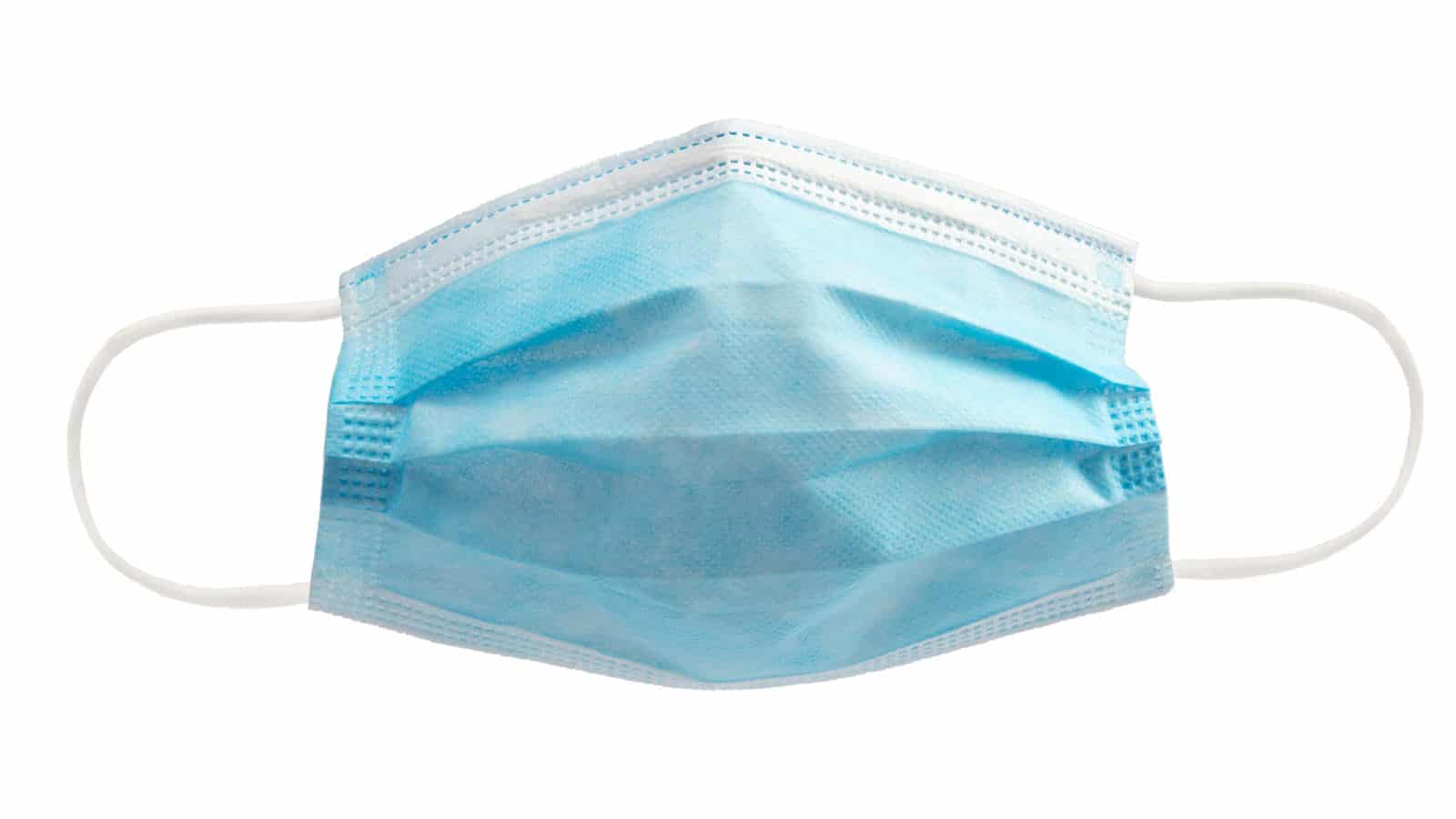
Meanwhile, NCDC has urged Nigerians to wear face masks as precautionary measures in curbing the spread of the Coronavirus (COVID-19) pandemic.
Dr Chikwe Ihekweazu, Director General, NCDC, said this on Monday in Abuja at the Presidential Task Force on COVID-19 briefing.
Ihekweazu said most Nigerians lament that using face masks was stressful.
The DG, however, noted that wearing face masks was less cumbersome when compared to being on a ventilator.
“Wearing a mask may seem very cumbersome but I promise you that it is less cumbersome than being on a ventilator.
“Over the last few weeks, many of you may have heard stories of survivors but there are many stories that could have been told that you have not heard, stories of those that have passed away,” he said.
He also advised Nigerians on the need to take responsibility by ensuring safety to ensure that their lives and those of their loved ones were preserved.
He commended frontline health workers for their commitment in the Federal Government’s fight against the virus.
According to him, the COVID-19 pandemic involves the efforts of everyone, not just the government alone.
The DG also asked Nigerians not to throw caution in the wind amid the rising cases of the infection in the country.
The PTF also said it would not impose precision lockdowns on 11 high-burden local government areas of the country.
The National Coordinator of PTF, Dr Sani Aliyu, gave the explanation at the media briefing by the task force in Abuja.
He said that locking the council areas down would most certainly pull the entire states where such council areas belong into lockdown with them.
Aliyu said that the geographical natures of the council areas made it rather impracticable to do isolated lockdown.
The coordinator, however, added that precision lockdowns were just one out of many types of interventions that could be used to manage cases in the said council areas.
According to him, PTF is already working with the affected council areas through other means of intervention to reduce their high infection load, citing risk communication and community engagement activities as part of the ongoing works.
“We have 11 high-burden local government areas we’ve identified, we are doing a lot of works in these local government areas, especially as it relates to risk communication and community engagement activities.
“We are also trying to improve testing, particularly in Lagos where seven of the 11 local governments are.
”We are improving case management, discussing with the various states in terms of improving access to care, access to oxygen and so on.
“Precision lockdowns are only one out of the various options.
” The main problem we have with lockdowns in these areas is the geographical nature of the local governments,” he said.
Aliyu said if they were to lockdown those local government areas in Lagos, they would have to lockdown the entire state.
He said that state like Bayelsa, where in Yenagoa, which was the local government with the high-burden, if they lock Yenagoa down, virtually all the roads across the state had to go through the local government.
“Technically, it will be very difficult, we know if the interventions that we proposed are being implemented and people are cooperating, you don’t actually need to lock people down at all,” he said.