The Nigeria Civil Aviation Authority (NCAA) has temporarily suspended the enforcement of its “no pay, no service” directive against airlines with outstanding statutory remittances, citing concerns over industry’s current operational realities.
The Director-General of NCAA, Capt. Chris Najomo, made this known in a statement on Sunday in Lagos.
Najomo said the decision followed extensive consultations and a review of prevailing challenges affecting airline operations, particularly the increasing cost of aviation fuel.
According to him, the suspension should not be interpreted as a cancellation, waiver, or forgiveness of airlines’ financial obligations, stressing that affected operators remain fully responsible for settling all outstanding statutory debts.
The NCAA recalled that President Bola Tinubu had earlier approved a 30 per cent discount on outstanding fees owed by domestic airlines to aviation agencies, including the NCAA.
He added that the discount was part of measures aimed at cushioning the impact of rising Jet A1 fuel prices on operators.
The intervention, according to Najomo, formed part of broader Federal Government efforts to support airline operations and maintain stability within the aviation sector.
He added that NCAA would continue to engaging airlines individually through structured arrangements to ensure debt recovery while balancing compliance requirements with industry sustainability.
Najomo explained that the five per cent Ticket and Cargo Sales Charge was a mandatory component established under the Civil Aviation Act and incorporated into the cost of passenger and cargo services.
All affected operators, he said therefore, remained fully responsible for the settlement of their statutory debts, and the NCAA will pursue structured engagements with airlines individually, to ensure recovery.
‘The Ticket and Cargo Sales Charge is a statutory component of the aviation system in Nigeria required by the Civil Aviation Act, and embedded in the cost of air travel and cargo services.
“It must be emphasised that this charge is collected at the point of ticket and cargo sales by airlines on behalf of the aviation ecosystem, and is expected to be remitted to the NCAA for defined purposes.
“It is not a part of operating profit or revenue for the collecting airline, and must therefore not be treated as such.
“These funds, after they are remitted, are not retained by a single institution; they are shared among the regulator (NCAA) and key aviation service providers.
”It performs specific responsibilities that collectively sustain safe, efficient, and internationally compliant aviation operations,” Najomo said.
He noted that these charges were collected by airlines at the point of ticket and cargo sales on behalf of the aviation ecosystem and are expected to be remitted to the regulator.
Najomo emphasised that such funds should not be regarded as operational income or profit for airlines.
According to him, NCAA operates on a cost-recovery basis and does not receive direct Federal Government funding for its routine regulatory functions, making statutory remittances critical to sustaining oversight activities.
The NCAA boss said the temporary suspension of the directive represented a measured approach intended to prevent disruptions while efforts continue toward the full recovery of outstanding obligations.
The authority maintained that the decision reflected a balance between regulatory enforcement and ensuring stability and uninterrupted operations across the aviation industry.
NCAA had, in an internal memo dated May 22, directed its directorates to suspend services to 11 domestic airlines.
The authority placed the airlines on its updated “No-Pay-No-Service” list over unpaid statutory charges owed to the regulator.
The memo ordered all NCAA departments to withhold regulatory and administrative services from the affected operators until they clear their outstanding debts or agree on repayment plans.
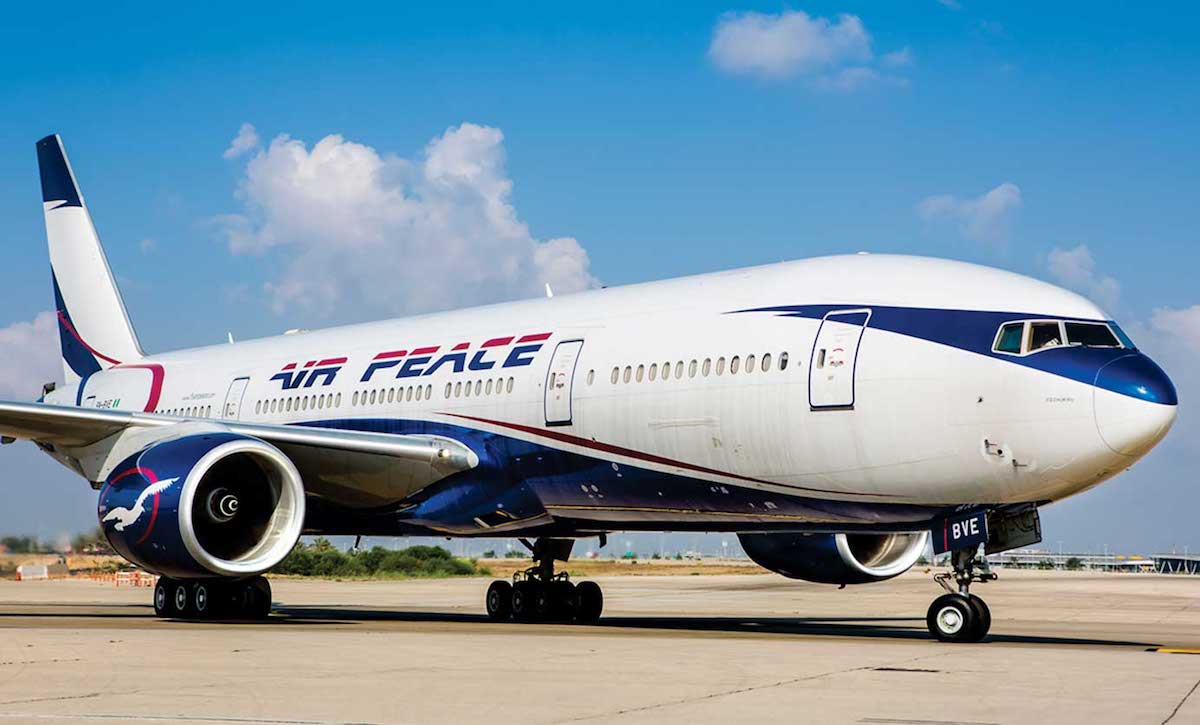
The airlines affected were Air Peace Ltd., Ibom Air, Arik Air Ltd., United Nigeria Airlines, Umza Air, NG Eagle, Max Air Limited, Caverton Helicopters, Overland Airways, Rano Air and ValueJet.