Mobile network operators reduced their operational emissions by 13 per cent between 2019 and 2024, according to a new report by the Global System for Mobile Communications Association.
The finding was contained in the GSMA Mobile Net Zero 2026 State of the Industry on Climate Action Report, released on Tuesday night.
The report said the reduction was recorded even as mobile connections increased by 10 per cent during the same period.
It analysed energy and emissions data from more than 110 mobile operators, representing about 85 per cent of global mobile connections.
According to the GSMA report, operational emissions declined by five per cent in 2024 alone.
The association described the 2024 reduction as the fastest annual decline recorded by the mobile industry in the past five years.
The report also noted that data traffic more than quadrupled within the period under review.
GSMA said the trend showed that digital growth and emissions reduction could advance at the same time.
It attributed the progress to better energy efficiency, network upgrades and wider use of renewable electricity across mobile networks.
The report identified renewable energy as the biggest factor behind the emissions reduction.
It said mobile operators purchased or generated about 70 terawatt hours of renewable electricity in 2024.
However, the GSMA warned that the pace of emissions reduction must increase if the industry is to meet its science-based target of cutting emissions by 45 per cent by 2030.
The association urged governments to expand access to renewable energy to help keep the mobile sector on track toward net zero emissions by 2050.
According to the report, the share of renewable electricity used by the mobile industry rose from 10 per cent in 2019 to 24 per cent in 2024.
GSMA called on governments to modernise electricity markets, promote investment in renewable energy and simplify approval processes for clean energy infrastructure.
John Giusti, GSMA Chief Regulatory Officer, said the mobile industry had shown that economic growth, digital connectivity and climate action could move together.
He said operators were connecting more people, carrying more data and supporting digital economies while still cutting emissions.
Giusti added that access to affordable and reliable renewable energy would determine how quickly operators could decarbonise their operations.
He said policymakers had an important role to play in creating the right conditions for investment in clean energy infrastructure.
According to him, renewable-powered mobile networks would improve energy security, strengthen resilience and support sustainable economic growth.
The report said 81 mobile operators had adopted near-term science-based climate targets as of June 2026.
It added that these operators represent nearly half of global mobile connections.
GSMA also said 50 operators had committed to net zero targets, while 46 had received validation from the Science-Based Targets initiative.
The report put operational emissions from the mobile industry at 115 million tonnes of carbon dioxide equivalent in 2024.
It said this represented about 0.2 per cent of global greenhouse gas emissions.
The report identified Scope 3 emissions as the industry’s biggest climate challenge.
According to GSMA, emissions from the value chain account for about three-quarters of the mobile industry’s total carbon footprint.
It said stronger cooperation with suppliers and broader adoption of circular economy practices would be necessary to reduce those emissions.
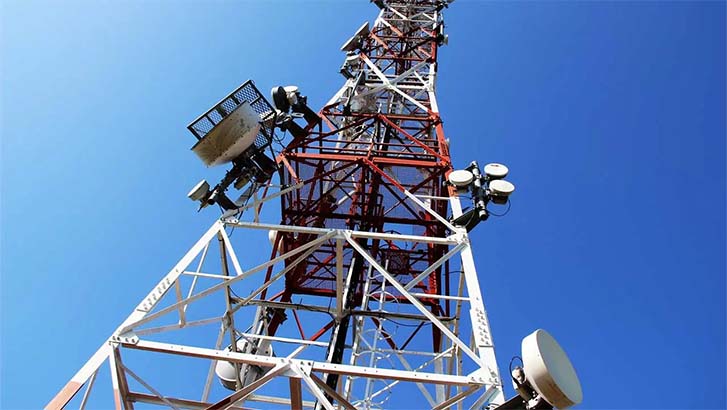
The report also identified tower companies as a major area for decarbonisation.
It noted that the world’s 100 largest tower companies consumed more than two billion litres of diesel in 2024.
GSMA said increased use of solar power, battery storage and better energy management could significantly lower emissions from tower operations.
The report also noted that artificial intelligence was increasing global demand for data centre energy.
It said the direct impact of AI on mobile network energy consumption remained limited for now, but called for continued monitoring as AI adoption grows across communications networks and digital infrastructure.
GSMA added that climate resilience had become more important as operators work to protect networks from increasingly frequent extreme weather events.
The association urged mobile operators to improve energy efficiency, phase out legacy networks, expand renewable energy use and strengthen supplier engagement to meet long-term climate goals.