


A Consultant Clinical Psychologist, Dr Leonard Okonkwo, has urged Nigerians to change their perception of mental health challenges and stop describing people living with mental illness as “mad”.
Okonkwo, who works with the Lagos State University Teaching Hospital (LASUTH), said mental health conditions are medical issues that require understanding, support and professional care rather than discrimination.
He made the call on Tuesday while speaking with journalists at the 11th International Conference of Community Psychology held at Lagos State University (LASU), Ojo, Lagos.
The psychologist represented the Lagos State Commissioner for Health, Prof. Akin Abayomi, at the conference themed: “Reconnecting to the Source: Waves of Water, Waves of Change.”
Mental health goes beyond traditional misconceptions
Okonkwo said the belief that every form of mental illness is equivalent to madness is outdated and prevents many people from seeking help.
“Most of the time, people think mental illness is madness, but we have moved away from that concept,” he said.
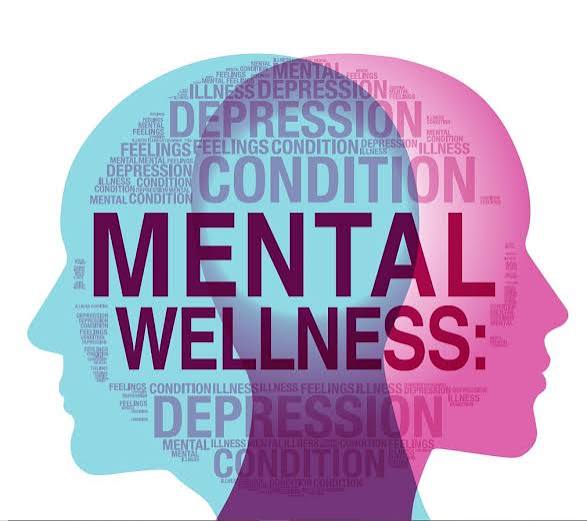
He explained that mental illness occurs when there are significant changes affecting a person’s emotions, thoughts, behaviour or ability to function normally.
According to him, mental health challenges can affect anyone regardless of social background, financial status or personal circumstances.
He encouraged Nigerians to see mental health treatment the same way they view treatment for physical illnesses.
Psychologist criticises harmful portrayals of mental illness
Okonkwo also criticised some portrayals of mental illness in Nigerian movies, particularly narratives that link psychological conditions solely to supernatural causes or wrongdoing.
He said such portrayals contribute to misinformation and reinforce harmful stereotypes.
“Nollywood tends to give the impression that mental illness is caused by one person in the village. No, that is not the true picture,” he said.
The psychologist warned that stigma often forces people suffering from mental health conditions to hide their struggles, delaying access to professional support.
He encouraged Nigerians experiencing emotional or psychological difficulties to seek help from qualified mental health professionals.
“There are certain things that people cannot do on their own. They need the help of professionals,” he added.
Mental health begins within communities
In his keynote address, Prof. Akin Abayomi said modern health challenges require stronger community-based solutions beyond hospitals.
The commissioner said health is shaped by factors such as family relationships, culture, economic conditions, environment and social support systems.
He explained that community psychology helps society understand the wider factors influencing people’s wellbeing.
According to him, healthcare should move beyond treating illnesses to preventing problems and creating healthier communities.
“Communities should not merely be recipients of healthcare. Community must be a partner in creating health,” Abayomi said.
Need for stronger mental health support
The commissioner highlighted challenges including anxiety, depression, substance abuse, trauma, suicide and family difficulties as issues affecting individuals and communities.
He called for improved mental health awareness, early identification of challenges, community interventions and rehabilitation programmes.
Abayomi said psychologists must take their expertise beyond consultation rooms and work directly within communities where people live, learn and work.
He noted that Lagos, as a rapidly growing city, faces unique challenges linked to urbanisation, youth development, substance misuse and access to healthcare.
The commissioner called for stronger partnerships among government institutions, universities, communities and health professionals.
Universities urged to make research practical
The Vice-Chancellor of Lagos State University (LASU), Prof. Ibiyemi Olatunji-Bello, said universities must ensure their research addresses real problems affecting society.
She said community psychology provides important insights into issues such as identity, inclusion, inequality, social support and mental wellbeing.
Olatunji-Bello urged researchers to move beyond studying communities and instead engage directly with them.
“We must therefore move beyond merely studying communities. We must listen to them,” she said.
She expressed hope that the conference would produce practical partnerships, research outcomes and policies capable of improving lives.
Background Information
Mental health stigma remains a major challenge in many societies, including Nigeria.
Experts say misconceptions often prevent people from seeking treatment for conditions such as: Depression, anxiety disorders, trauma-related conditions, substance-related challenges, emotional distress
The World Health Organization (WHO) has consistently encouraged countries to integrate mental healthcare into primary healthcare systems and promote awareness to reduce discrimination.