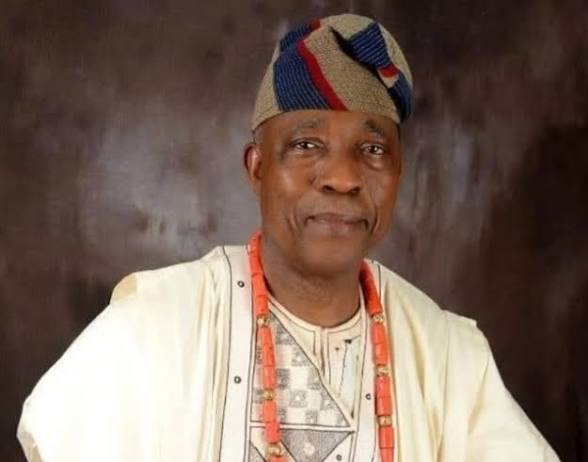
Veteran journalist Dare Babarinsa has called on Nigerian media organisations to strengthen their role in shaping national discussions, promoting credible information and holding public institutions accountable as the country prepares for the 2027 general elections.
Babarinsa made the appeal on Monday, November 2, 2026, during the 60th anniversary celebration of the Nigeria Union of Journalists (NUJ), Oyo State Council, in Ibadan.
The event, themed Oyo NUJ @ 60: Six Decades of Legacy, Milestone and Lessons for the Future, brought attention to the achievements of Nigerian journalism and the challenges facing the profession in the digital age.
Media Must Remain a Platform for National Debate
Babarinsa described journalists as custodians of Nigeria’s collective history, noting that the media had played important roles in major national conversations.
He recalled periods when newspapers, radio stations and television broadcasters provided platforms for discussions about economic policies, political reforms and the country’s future.
Among the historical debates he mentioned were Nigeria’s relationship with the International Monetary Fund and proposals for a rotational presidency.
According to him, journalism should continue to provide a credible space where competing ideas can be examined and citizens can make informed judgments.
He encouraged media practitioners to prioritise accurate information, constructive public discussion and the long-term interests of the country.
Babarinsa also urged journalists to remain committed to truth, peace and national development while maintaining their professional responsibilities.
Veteran Journalist Warns Against Digital Disruption
Reflecting on the future of journalism, Babarinsa acknowledged that technological changes had transformed the way news was produced, distributed and consumed.
He said the rapid expansion of the internet had created opportunities for communication while weakening some of the traditional processes through which information was verified before publication.
The journalist expressed concern about unregulated online publishing and the increasing competition between professional newsrooms and digital content creators.
He argued that established media organisations must develop new approaches to remain relevant in a rapidly changing information environment.
Babarinsa maintained that the profession could not afford to ignore technological developments or the changing expectations of audiences.
Babarinsa Calls for More Young People and Women in Journalism
Despite the challenges facing the industry, Babarinsa expressed optimism about the continued interest of young Nigerians in journalism.
He said the willingness of educated young people to enter the profession demonstrated its potential for renewal.
The veteran journalist encouraged younger generations, including Generation Z, to contribute new ideas, technological skills and innovative approaches to reporting.
He also called for deliberate efforts to expand opportunities for women in journalism.
According to him, stronger participation by women and younger professionals would help build a more inclusive and sustainable media industry.
He stressed that the profession’s future would depend on its ability to adapt while preserving the values of responsible journalism.
Oyo NUJ Condemns Attacks and Harassment of Journalists
Earlier, Oyo State NUJ Chairman Akeem Abas raised concerns about threats to the safety and independence of media practitioners.
Abas condemned intimidation, harassment, unlawful arrests, physical attacks, kidnappings and killings involving journalists.
He called on government institutions, security agencies and the judiciary to ensure that attacks against media professionals were properly investigated and that those responsible were held accountable.
The NUJ chairman said journalists must be able to carry out their duties without threats or undue interference.
He also emphasised that media freedom should be accompanied by a commitment to professional standards.
According to him, accuracy, fairness, balance and ethical conduct remain essential to maintaining public trust in journalism.
Journalists Urged to Address AI and Misinformation Challenges
Abas identified artificial intelligence, digital broadcasting and social media as developments that were reshaping the journalism industry.
He encouraged journalists to improve their skills and embrace relevant technologies while addressing misinformation, disinformation and declining confidence in news organisations.
The NUJ chairman said technological innovation should strengthen rather than undermine the accuracy and credibility of news reporting.
He urged media professionals to maintain clear editorial standards regardless of the platforms through which their reports are distributed.
NUJ Calls for Peaceful Campaigns Ahead of 2027 Elections
With Nigeria’s 2027 general elections approaching, Abas appealed to politicians, political parties and their supporters to avoid violence, hate speech and intimidation.
He encouraged political actors to focus on public policies, governance proposals and issues affecting citizens.
The NUJ chairman also called on political leaders to respect editorial independence and avoid pressuring journalists through threats or inducements.
He said media practitioners had a responsibility to examine campaign promises, scrutinise party manifestoes, verify political claims and report fairly on electoral activities.
According to him, responsible election coverage requires journalists to hold all political actors to consistent standards.
Media Independence Central to Democratic Accountability
The anniversary celebration highlighted the relationship between press freedom, professional responsibility and public access to trustworthy information.
Babarinsa’s remarks focused on the need for journalism to remain a forum for informed national discussion, while the NUJ leadership emphasised journalists’ safety, ethical reporting and responsible election coverage.
Both speakers called for a media industry capable of responding to technological change without abandoning its public-interest responsibilities.