Over the past 10 Years, Nigerian Farmers and herders have been at Loggerheads losing sleep and lives over avoidable conflicts resulting from misunderstandings, mistrust, fear, and selfishness which ought not to be as they had cohabited peacefully for decades prior now.
What are the issues? the Farmer wants his crops to grow unhindered from seed to harvest and the herder needs the lush vegetation in the Farmer’s farms. Such conflicting interests many times leading to clashes. For Nigeria’s rural community dwellers, the constant clashes lead to arsons and killings and have in the last 5 years taken a steady rise. A 2019 report by foreign affairs put the death toll at 10,000 within a two-year period. Today the south shares in the pie of violence.
There is an urgent need to address this growing trend. To achieve this, many state governors have taken to signing the anti-open grazing bill which seeks to outlaw the tradition of herders moving their cattle about in search for foliage into law. While this is a commendable move, it does not explicitly address the enforceability of the law neither does it consider the economic viability of the cattle business nor offer alternatives to the agricultural value of the cattle business, hence, the need for all stakeholders to look intently at the issues and come up with a holistic and enforceable bill taking all sectors into consideration.
According to Alhaji Saad Ahmed, Chairman, Cattle Dealers Association, Edo State Chapter, a total number of 72,000 cows are consumed yearly within the Benin metropolis. This number is not inclusive of the amount consumed at other parts of Edo State neither is it inclusive of the ones consumed during weddings, burials, and other events. One cannot but ponder, how do we substitute this with fishes and goats as suggested by some? What happens to our protein, especially milk supply? What do we do about the employment opportunities that the cattle business proffers?
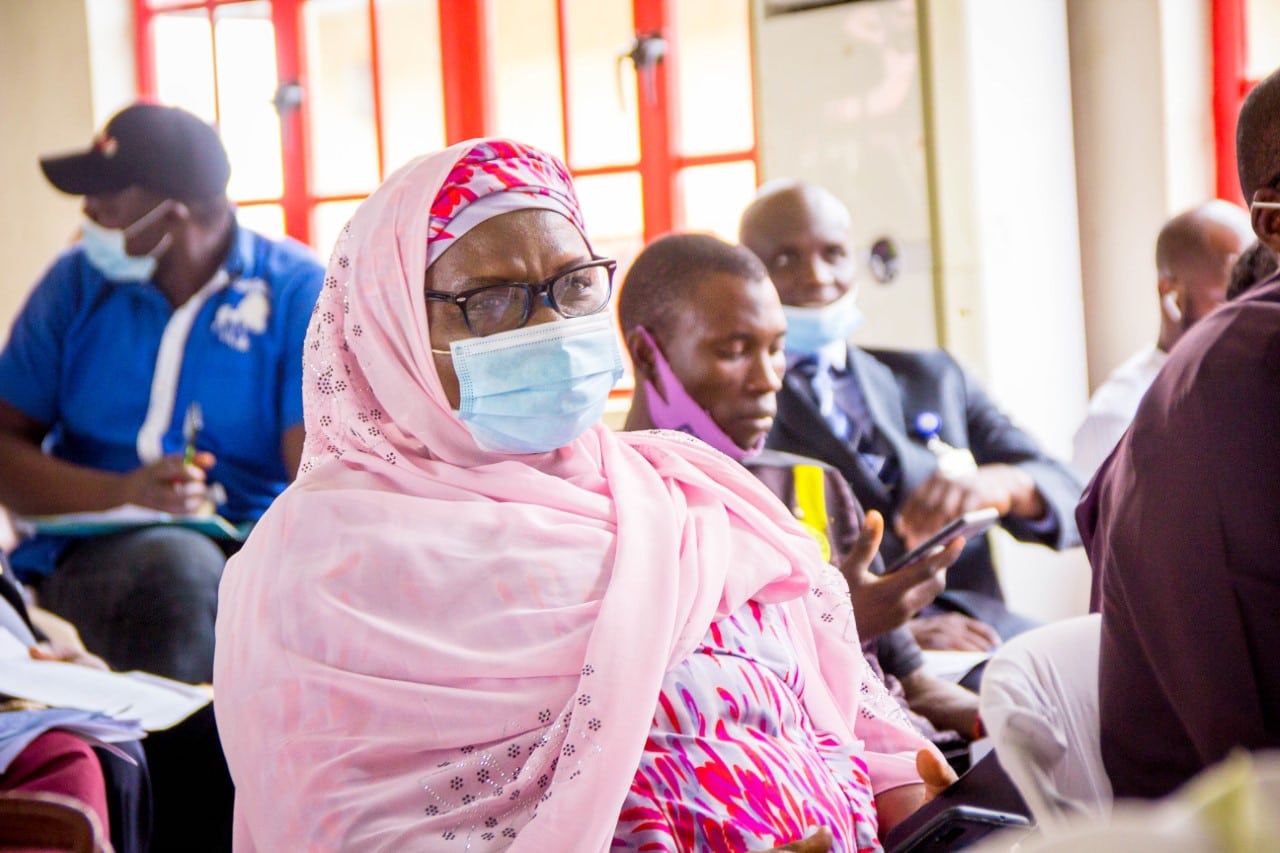
It is therefore not sufficient for a bill outlawing open grazing to be passed into law. All the people must converge to collectively consider its enforceability and the many facets of our economy that would be affected. To this end, the Edo state Government has been organising a series of stakeholder sessions aimed at involving its residents and citizens in the passage of this Bill. One of such outings occurred last Monday in Benin City, where stakeholders unanimously resolved that a law prohibiting open grazing is imperative and must be passed after due consultations are concluded. Stakeholders also resolved that no inch of Edo State land would be gifted to any persons for the purpose of ranching. Finally, the meeting charged legal draftsmen to ensure that the eventual Bill promote harmony and peaceful coexistence amongst the diverse tribes and ethnicities in the State.
The stakeholder’s workshop was well attended by the Governor, His Deputy, the Secretary to the State Government, Chief of Staff as well as cross sections of representatives from the Palace, farming communities, Traders Association, Butchers Association and members of the academic community and media amongst others.