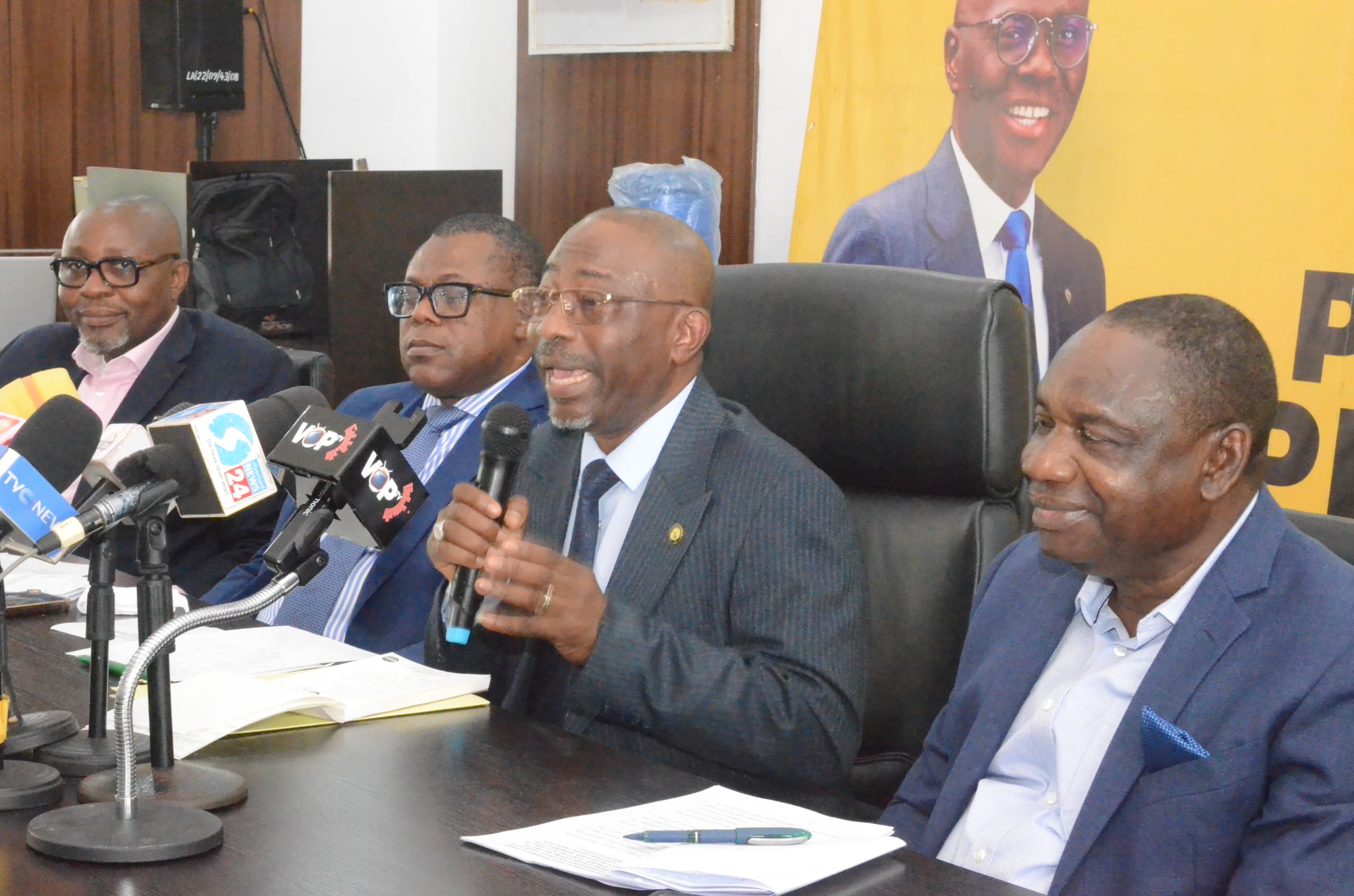
The Lagos State Government has strongly cautioned the National Assembly against advancing the proposed Central Gaming Bill, warning that it constitutes a clear breach of the Nigerian Constitution and directly contravenes a binding judgment of the Supreme Court.
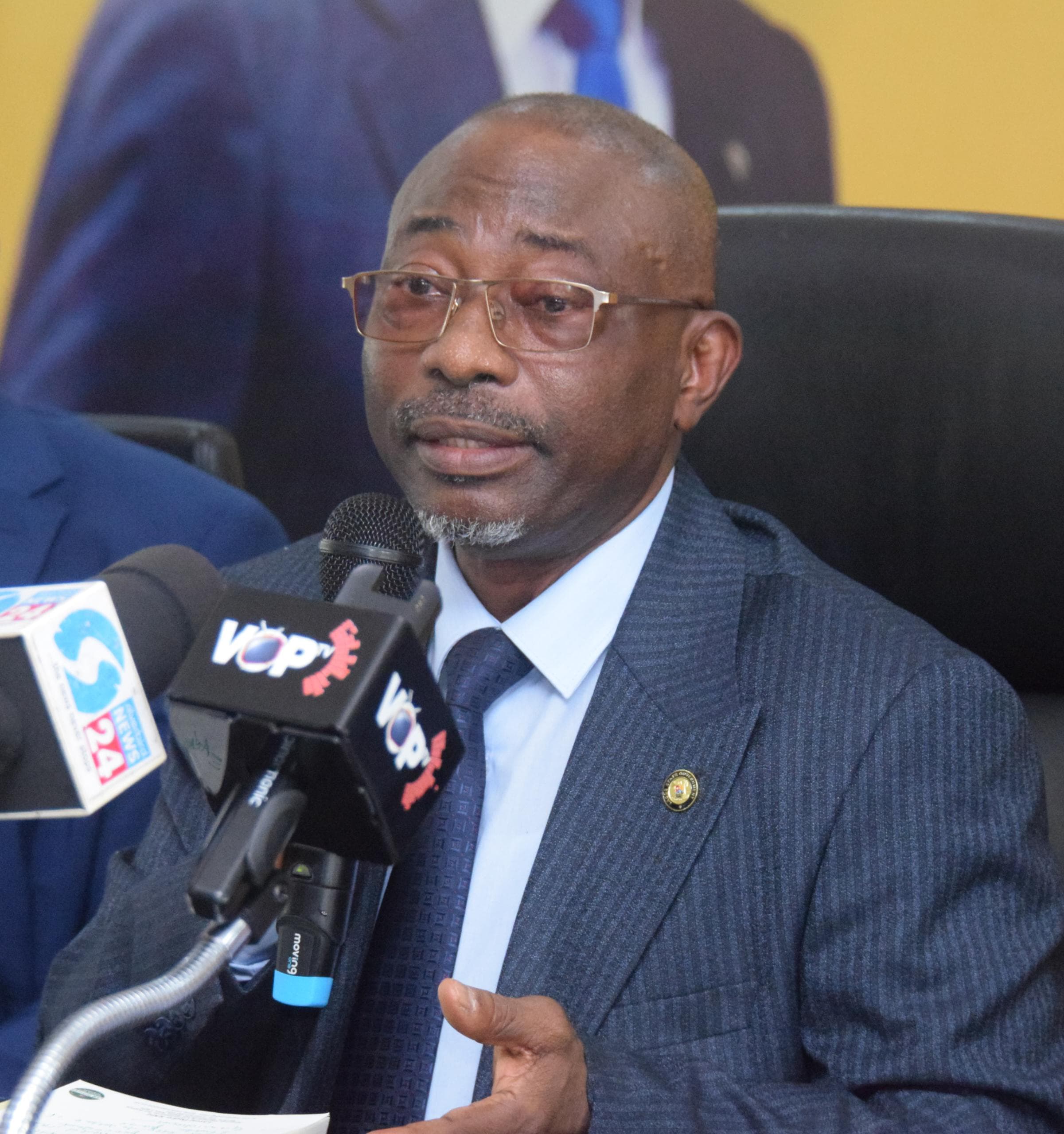
At a press briefing held in Lagos, the Attorney-General and Commissioner for Justice, Mr. Lawal Pedro, SAN, described the bill — which is currently before the Senate after being passed by the House of Representatives — as unconstitutional, overreaching, and capable of triggering a serious constitutional crisis.
According to Pedro, the proposed legislation seeks to centralize the regulation of all forms of gaming, including online and remote betting, under the purview of the federal government. However, he pointed out that this effort runs contrary to a definitive Supreme Court ruling delivered on October 13, 2024, in a case brought by Lagos State in conjunction with 22 other states against the Attorney-General of the Federation.
Supreme Court Judgment Favors States’ Rights
The landmark Supreme Court decision, Pedro noted, affirmed that the regulation of gaming, betting, and lotteries falls exclusively within the legislative and regulatory jurisdiction of state governments — not the federal government — except in the Federal Capital Territory (FCT). The ruling reinforced the constitutional principle that such matters are residual, meaning they are reserved for states under Nigeria’s federal structure.
“The Supreme Court, our apex court, has declared in no uncertain terms that the power to regulate gaming, betting and lotteries is vested in the states,” Pedro stated. “The National Assembly, therefore, lacks the legislative competence to enact any law that seeks to regulate these activities across the entire country.”
In addition to affirming states’ control, Pedro noted that the court granted a perpetual injunction restraining the federal government and its agencies from applying or enforcing the National Lottery Act — or any similar legislation — within the territory of any Nigerian state.
Warning Against Constitutional Chaos
Pedro warned that the new Central Gaming Bill, if passed into law, would not only be illegal but would also amount to a direct challenge to the authority of the Supreme Court — Nigeria’s highest judicial authority.
“Any attempt to legislate again on the same subject amounts to defiance of the Supreme Court, a violation of the Constitution, and an invitation to constitutional chaos,” he cautioned.
He argued that such legislative overreach could destabilize the federal balance by eroding state autonomy and setting a dangerous precedent for disregarding judicial authority.
“Online Does Not Mean Federal”
Responding to arguments made by some federal lawmakers that online or remote gaming should fall under federal regulation due to its cross-border nature, Pedro dismissed the rationale as legally unsound.
“Online does not mean federal. If everything that happens online is to be federally regulated, then the United Nations should take over,” he said. “The use of technology does not change the nature of gaming as a residual matter. Whether gaming is conducted physically or virtually, it remains under the jurisdiction of state governments.”
Religious and Cultural Implications
The Lagos Attorney-General further expressed concern about the potential social consequences of the bill. If passed, he warned, it would give gaming operators a legal avenue to operate in every part of the country — including states where gambling is restricted or banned based on religious or cultural values.
“This bill could force states to accommodate gambling activities they have constitutionally chosen to prohibit. It threatens to create avoidable social tension, particularly in states with strong religious or traditional opposition to gaming,” Pedro said.
A Contradiction of Legislative Intent
Pedro also noted the irony in the National Assembly’s current move. While lawmakers have been championing the need for devolution of powers to states — a key demand in ongoing constitutional reform consultations — this bill seeks to centralize a power that has already been affirmed by the judiciary as belonging to the states.
“It would be a contradiction in both spirit and purpose for the same legislature that advocates decentralization to now attempt to reclaim powers that the Supreme Court has clearly allocated to state governments,” he added.
States United in Opposition
Pedro affirmed that Lagos State, along with the 22 other states involved in the Supreme Court suit, will not hesitate to resist any legislative or executive action that seeks to undermine the integrity of the court’s ruling or violate the principles of federalism enshrined in the Constitution.
“This is bigger than Lagos,” Pedro emphasized. “This is about the rule of law, the authority of the Supreme Court, and the preservation of our federal structure.”
Call for Withdrawal of the Bill
In his final remarks, Pedro urged the National Assembly to immediately withdraw the proposed Central Gaming Bill in the interest of national stability and constitutional order.
“The rule of law is the soul of democracy. Our democracy will only remain strong and credible if we uphold the Constitution and respect the finality of Supreme Court decisions,” he concluded.
In his opening remarks, the Honorable Commissioner for Information and Strategy, Mr. Gbenga Omotosho cautioned that such step being taken by the National Assembly could jeopardize and truncate democracy and it’s norms.
According to him, the National Assembly, more particularly the House of Representatives, that has passed the bill is competent, but Omotosho raised the question of how competent is the step they took so far.
He noted that Lagos always led in the protection of the constitutional democracy, and on this, the state will not lack in its responsibility.
He said, “it is a very serious matter, what is happening is not about us but about constitutional democracy. The position of the government of Lagos State is very strong and not an issue that is trivial.”
He therefore appealed to the media to play a positive role in ensuring that democracy does not suffer any bad faith under the might of any government or political institution.