The Lagos State Government has confirmed a stable debt profile while achieving a record N2.6 trillion in revenue for 2025, marking a 16% increase from N2.3 trillion in 2024.
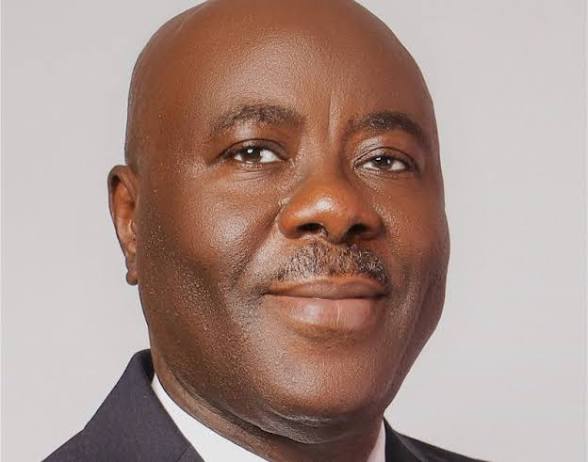
Commissioner for Finance, Abayomi Oluyomi, revealed the figures during the 2026 Ministerial Press Briefing at the Bagauda Kaltho Press Centre, Alausa, Ikeja, celebrating the seventh year of Governor Babajide Sanwo-Olu’s administration.
Oluyomi attributed the fiscal stability to prudent financial management, disciplined borrowing, digital tax reforms, and a diversified revenue strategy. Internally Generated Revenue (IGR) surged 18.5% from N1.58 trillion in 2024 to N1.87 trillion in 2025.
Tax revenue also saw significant growth, climbing from N1.045 trillion in 2024 to N1.443 trillion in 2025. The Lagos Internal Revenue Service (LIRS) surpassed the N1 trillion mark for the first time in 2024, signaling a milestone in state revenue collection.
“The government has enhanced fiscal sustainability through careful debt management and strategic reforms, enabling infrastructure development without overburdening finances,” Oluyomi said.
The commissioner highlighted digital transformation efforts, including upgrades to the LIRS e-Tax platform. Enhancements feature stamp duty integration, Capital Gains Tax filing, geo-tagging, Corporate Affairs Commission integration, and expatriate tracking via the **Nigeria Immigration Service**. The e-Tax mobile app has been migrated to the cloud for secure, efficient taxpayer access.
Multiple payment channels such as mobile apps, POS terminals, USSD, WhatsApp, and online systems have simplified tax compliance and increased transparency. Lagos has fully transitioned to electronic tax filing, improving efficiency and accountability.
On debt management, Oluyomi confirmed that Lagos maintains a debt-service-to-revenue ratio of 19.2%, below the 30% sustainability threshold. The total debt-to-GDP ratio stands at 4.11%, reflecting responsible borrowing practices.
In 2025, Lagos issued a N230 billion bond—the largest by any Nigerian sub-national government—with a fixed rate of 16.25%, funding sectors like transportation, healthcare, housing, agriculture, innovation, and environmental sustainability. A N14.815 billion Sustainable Green Bond also earned certification from the Climate Bond Initiative, a first for an African sub-national government.
Projects funded include the Opebi Link Bridge, Blue Line Rail Phase II from Mile 2 to Okokomaiko, Tolu School Complex reconstruction, and Massey Children’s Hospital construction. Other initiatives cover the Lagos Central Food Security System, solar-powered streetlight retrofitting, Alaba Rago Market redevelopment, and a 280-bed Ojo General Hospital.
Oluyomi also emphasized Lagos’ continued strong ratings from local and international credit agencies, with **Fitch Ratings** reaffirming the AAA national long-term rating with a stable outlook. Salaries and pensions remain promptly paid, with robust verification measures to prevent financial leakages.
Despite national and global economic challenges, Lagos sustains its position as Nigeria’s economic powerhouse through disciplined fiscal management and technology-driven revenue systems.
“The Ministry of Finance is central to implementing the T.H.E.M.E.S+ agenda, ensuring financial stability to support economic growth, infrastructure development, and enhanced public services across Lagos State,” Oluyomi concluded.