


—Says Centralized Policing No Longer Effective
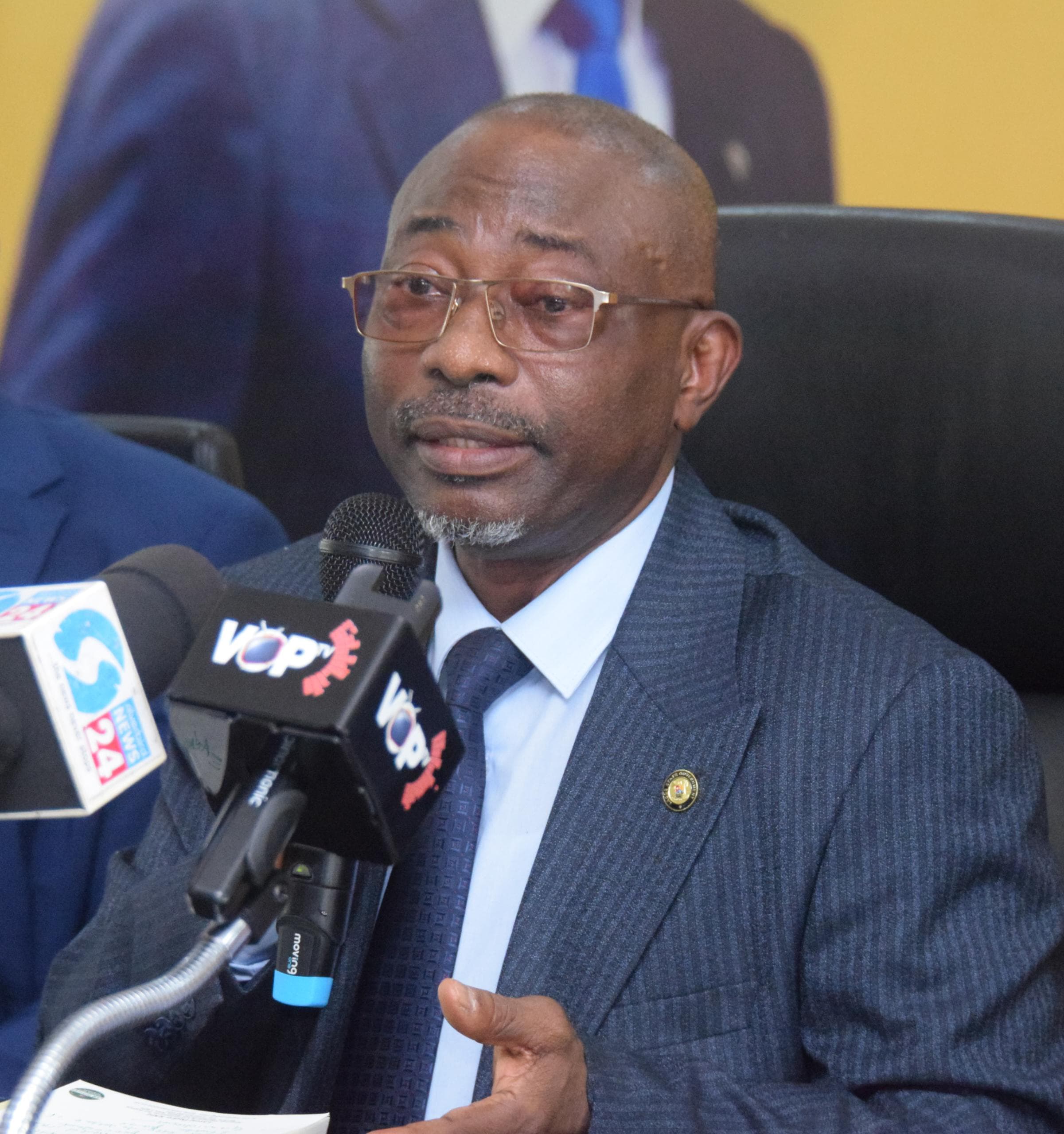
The Attorney-General and Commissioner for Justice of Lagos State, Lawal Pedro, SAN, has thrown his weight behind President Bola Tinubu’s push for the establishment of state police across the country, arguing that the present centralised policing structure can no longer effectively tackle the growing wave of insecurity in Nigeria.
In a statement on Thursday Pedro expressed support for the call by the President for a constitutional framework that would allow states willing and capable of funding their own police forces to do so.
According to him, many of the security challenges currently confronting Nigeria are localised crimes occurring within communities, especially in rural areas, and require policing structures closer to the people.
“You will agree with me that the incidents that have increased the level of insecurity in Nigeria today, such as banditry, kidnapping, terrorism, human trafficking, ritual killings, cultism, herdsmen-farmer clashes, ethnic and communal conflicts, and armed robbery, are largely local crimes occurring in different communities,” he said.
He explained that these crimes have persisted partly because the Nigeria Police Force, operating under a federal structure, is overstretched and unable to adequately respond to security demands across the country’s vast territory.
“These local crimes have festered because of the inadequacy of the Nigerian Police Force to check them. This clearly shows that a single federal police system cannot adequately respond to security needs across the 36 states, the Federal Capital Territory and the various local government areas,” Pedro stated.
The Attorney-General noted that the rising wave of insecurity had further exposed what he described as the structural weaknesses of a centralised policing model in a diverse federal system like Nigeria.
He recalled that state and regional policing were not new to the country, pointing out that similar arrangements existed during Nigeria’s First Republic.
“It will be recalled that during the First Republic, Nigeria operated regional and local police formations. Therefore, state policing is not alien to our country’s legal history,” he said.
Pedro said he supports the President’s proposal for a proper constitutional framework to enable states that are willing and capable to establish their own police forces.
“I therefore support the call of Mr. President for a proper constitutional framework for the establishment of state police for any state that wants it and can fund it,” he added.
Addressing concerns raised by critics of the proposal, Pedro acknowledged fears that state governors might abuse state police for political or personal interests. However, he insisted that such concerns should not be used to reject the initiative outright.
“To the best of my knowledge, the major ground of opposition against state police is the fear or apprehension that state governors may abuse it for political or personal interests. This concern is genuine; however, it is not enough to justify rejection of state police in Nigeria today,” he said.
According to him, what is required is the creation of constitutional safeguards that will prevent abuse while ensuring effective policing at the state level.
“What we need to do is to put in place a constitutional framework and safeguards that address these concerns. I believe that was the recent advice or request of President Tinubu to the National Assembly,” Pedro said.
He further proposed a unified policing structure that would integrate both federal and state police systems in line with Nigeria’s federal arrangement.
“In my view, we can have a unified federal and state police architecture that recognises the federal structure of Nigeria and our peculiar social environment,” he said.
Pedro also suggested that the issue of policing should be moved from the Exclusive Legislative List to the Concurrent Legislative List through constitutional amendment, thereby empowering states to establish their own police forces under national guidelines.
“By constitutional amendment, the issue of police can be moved from the Exclusive Legislative List to the Concurrent Legislative List, thereby giving power to state governments to establish state police with guidelines set out by the National Assembly,” he said.
He added that such guidelines should cover recruitment, promotion, discipline, structure, operational control, and welfare of police personnel across the country.
The Attorney-General also called for a clear demarcation of functions and jurisdiction between the federal police and state police to ensure harmony and cooperation.
“I believe that if this is achieved, the insecurity in the country will be reduced to the nearest minimum,” Pedro stated.
Among other proposals, he recommended the re-establishment of the Nigeria Police Council and State Police Service Commissions to set standards for recruitment, appointment, promotion and discipline of police officers nationwide.
He also suggested that states should recruit the number of police officers they require based on their capacity, while governors should appoint state commissioners of police on the recommendation of the State Police Service Commission and approval of the State House of Assembly.
Pedro maintained that with the right legal and institutional safeguards, state policing could significantly strengthen Nigeria’s security architecture and bring policing closer to the communities it is meant to serve.