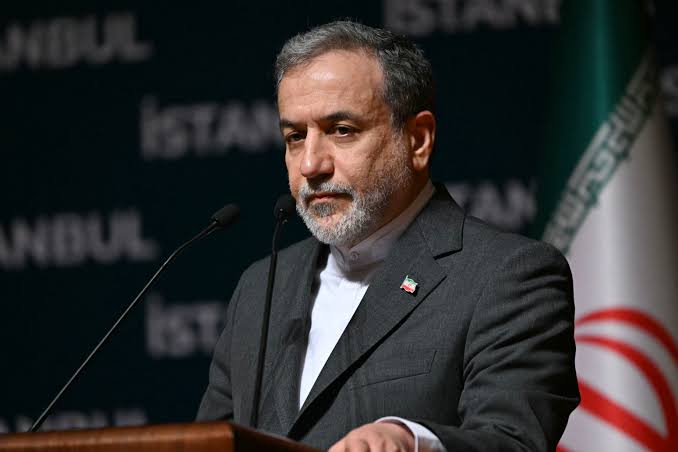
Iranian Foreign Minister Abbas Araghchi has accused the United States of causing the blockade of the Strait of Hormuz, a vital waterway for global energy trade. Speaking on the sidelines of the BRICS foreign ministers’ meeting in New Delhi on Thursday, Araghchi claimed that the U.S. is responsible for the current situation in the strait.
“The Strait of Hormuz is now suffering first and most from the U.S. aggression and the blockade that they have imposed on it,” Araghchi told state broadcaster Press TV. He emphasized that Iran views the waterway as open for all commercial vessels, provided they cooperate with Iranian naval forces.
Araghchi further stated that the ongoing crisis in the strait could be resolved if the U.S. would lift what he called the “illegal blockade,” which he argued was the main obstacle to free passage in the region.
The tension in the Strait of Hormuz escalated following the outbreak of war in February, when Iran’s armed forces took control of the waterway. The strategic chokepoint, through which a significant portion of the world’s oil passes, has seen disrupted shipping traffic due to a combination of threats, ship inspections, and direct attacks. This has led to soaring global energy and fuel prices.
Iran has consistently denied blocking the strait, but shipping companies are required to coordinate with Iranian authorities and pay substantial fees to transit through a corridor near Iran’s coast. Experts on international law have criticized these actions, arguing that Iran’s measures violate the right to transit passage under global maritime laws. Iranian sources have also claimed that the strait has been mined, adding to the uncertainty in the region.
In mid-April 2026, the United States imposed its own naval blockade on vessels traveling to and from Iranian ports, aiming to curb Iran’s oil revenue. In response, U.S. President Donald Trump ordered “Operation Freedom” to reopen the strait to shipping traffic. However, two days after the operation began, Trump halted it, citing ongoing diplomatic efforts to resolve the issue.
Despite a ceasefire coming into effect in early April, military tensions remain high in the Strait of Hormuz. The potential for further confrontations between U.S. and Iranian forces continues to threaten the fragile peace in the region, with both sides accusing each other of provocation.