The Independent National Electoral Commission (INEC) has warned that artificial intelligence-generated deepfakes, coordinated disinformation and foreign information interference could undermine public confidence in Nigeria’s 2027 general elections.
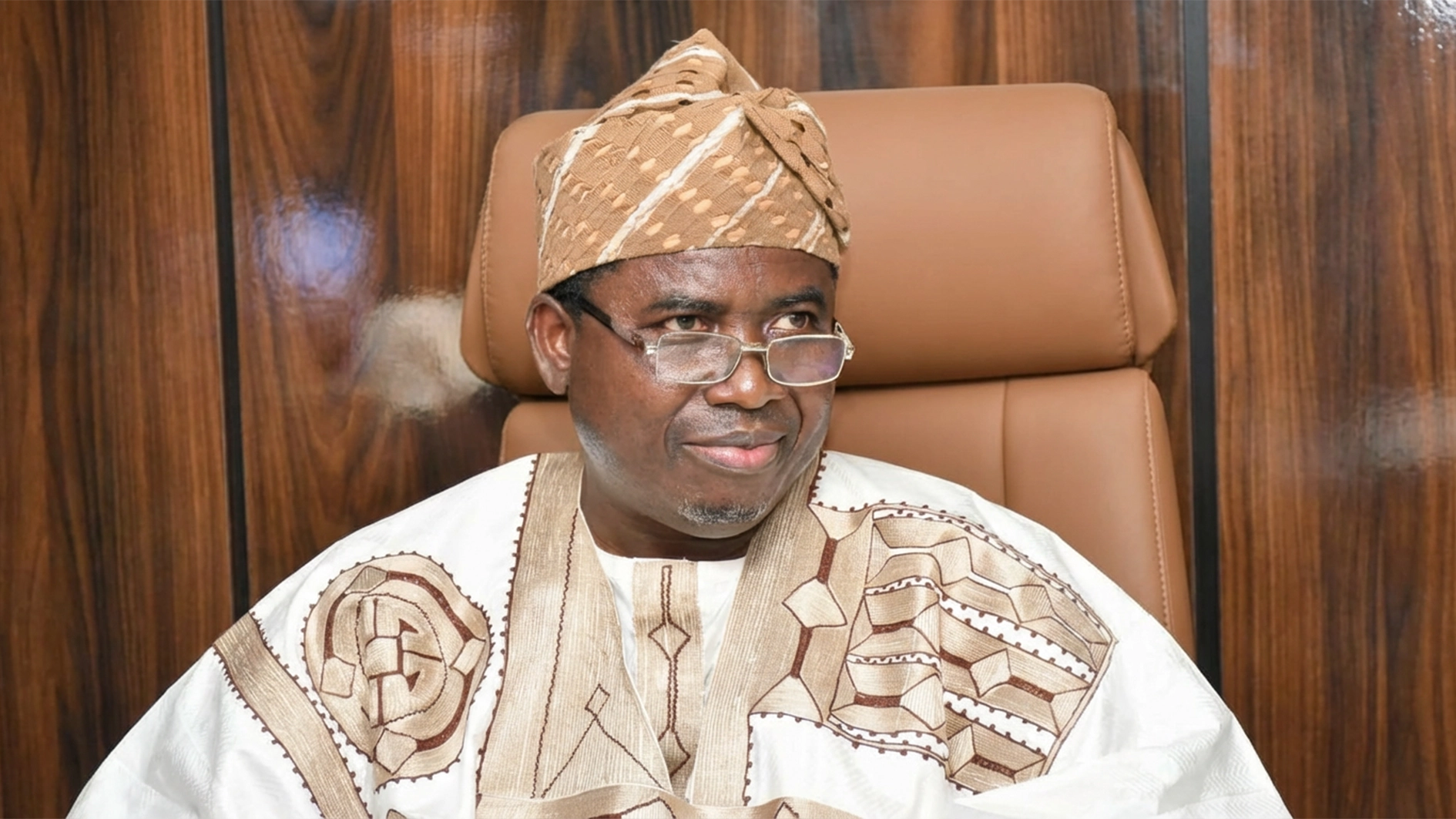
INEC Chairman, Professor Joash Amupitan, raised the concern on Monday, November 2, 2026, at a national summit on artificial intelligence, foreign information manipulation and electoral information integrity in Abuja.
Amupitan said the credibility of the 2027 elections would depend not only on protecting ballot papers and polling units but also on ensuring that voters had access to reliable information.
The two-day summit, themed *Beyond the Ballot: Safeguarding Electoral Information Integrity in the Age of AI*, brought together election officials, technology experts, journalists and civil society representatives.
The event was organised by the International Press Centre (IPC) and DAI under the European Union Support to Democratic Governance in Nigeria (EU-SDGN III) framework.
INEC Says Election Security Now Extends Beyond Polling Units
Amupitan explained that traditional election security measures had focused largely on protecting sensitive materials, preventing ballot snatching and maintaining order at polling stations.
While acknowledging the continued importance of those measures, he said digital manipulation had created additional threats to the electoral process.
According to him, fabricated political statements, false election results and coordinated misinformation campaigns could influence public perceptions before voting began.
He warned that misleading information could weaken confidence in electoral institutions even without direct interference in the voting process.
AI Deepfakes and Foreign Interference Raise Concerns
The INEC chairman identified synthetic media, automated disinformation, digital micro-targeting and foreign information manipulation as emerging risks.
He said generative AI tools had made it easier and cheaper to create convincing fake audio, videos and other misleading content.
Amupitan warned that individuals or organised groups could use such material to impersonate political figures, circulate false announcements or create confusion during sensitive election periods.
He cited the 2023 parliamentary election in Slovakia, where fabricated audio involving political figures circulated shortly before voting.
According to him, similar tactics could be used to spread false claims about constituency results in Nigeria before INEC completed official declarations.
He expressed concern that such incidents could generate public tension and damage confidence in the electoral process.
Public Awareness Alone Cannot Stop Election Disinformation
Amupitan said warning citizens about the existence of deepfakes was necessary but insufficient.
He called for a coordinated response involving electoral authorities, security agencies, independent fact-checkers, news organisations and digital platforms.
The INEC chairman said participating institutions needed clear procedures for identifying suspicious content, verifying claims, sharing reliable information and responding quickly to emerging incidents.
He also emphasised the importance of protecting lawful political expression while addressing potentially criminal activities.
INEC Establishes Internal AI Unit Ahead of 2027
As part of preparations for the elections, Amupitan disclosed that INEC had established a dedicated artificial intelligence unit.
He said the commission was also strengthening its digital infrastructure and expanding voter education to include information verification.
According to him, electoral education should go beyond teaching citizens how to cast their ballots.
He said voters should also learn how to recognise official INEC communications, verify election-related announcements and avoid spreading unconfirmed information.
INEC Seeks Cooperation With Social Media Platforms
Amupitan said the commission was pursuing cooperation with major digital platforms, including TikTok, Meta and X, to address manipulated or misleading election-related content.
He explained that timely reporting, review and appropriate action on harmful content would be important during the election period.
The INEC chairman also called for direct communication channels between the commission, journalists and independent fact-checkers.
He said reporters and verification organisations should be able to confirm urgent operational information through designated INEC officials without unnecessary delays.
Amupitan urged security agencies to distinguish between legitimate political criticism and unlawful activities that could threaten public safety.
From Smart Card Readers to BVAS
Reflecting on Nigeria’s electoral technology, Amupitan recalled the introduction of smart card readers during the tenure of former INEC Chairman Professor Attahiru Jega.
He said electoral technology had subsequently developed to include the Bimodal Voter Accreditation System (BVAS).
However, biometric voter accreditation and generative artificial intelligence perform different functions.
BVAS is used for voter accreditation and verification, while generative AI can produce synthetic text, images, audio and video.
The INEC chairman’s broader warning concerned how emerging digital tools could be exploited to manipulate information surrounding elections.
INEC Calls for Collective Action
Amupitan maintained that protecting the credibility of the 2027 elections would require cooperation among government institutions, political stakeholders, media organisations, technology companies and civil society.
He said rapid verification, reliable public communication and institutional preparedness would be essential to countering sophisticated information threats.
The INEC chairman urged stakeholders to develop practical response systems before election activities intensified.
His remarks highlighted the growing importance of information integrity as Nigeria prepares for another nationwide electoral exercise.