The International Monetary Fund (IMF) has raised concerns over Nigeria’s worsening cost-of-living crisis, linking it to rising transportation expenses that are driving food inflation across the country.
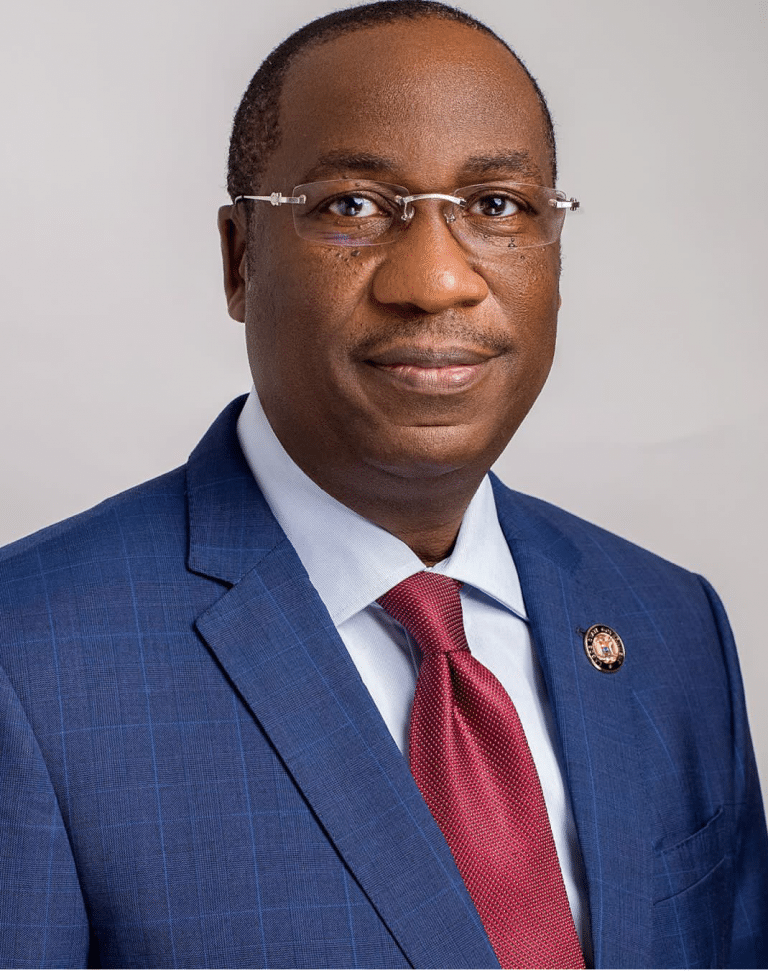
Speaking at the IMF/World Bank Spring Meetings in Washington D.C., Abebe Selassie, Director of the IMF’s African Department, highlighted the growing economic pressure on Nigerian households.
He explained that increasing transport costs are significantly affecting supply chains, leading to higher prices for essential goods, particularly food items.
According to Selassie, food inflation remains a major contributor to overall price increases in Nigeria, as it forms a large share of household spending and responds quickly to changes in logistics costs.
The IMF official noted that recent fuel price increases—partly driven by global oil market trends—have pushed transportation costs higher, with the impact spreading across distribution networks nationwide.
He added that both urban and rural communities are experiencing rising transport fares, further straining household budgets and deepening economic hardship.
Beyond inflation, Selassie warned that elevated logistics costs and expensive agricultural inputs such as fertilisers are disrupting food production and distribution systems.
He said these combined pressures are increasing the cost of moving goods from farms to markets, contributing to persistent price instability.
Despite the challenges, Selassie acknowledged that Nigeria’s ongoing fiscal and debt reforms are beginning to improve economic resilience.
He noted that efforts to stabilise public finances have created some buffer capacity to absorb external shocks, although the room for intervention remains limited.
The IMF urged Nigerian policymakers to adopt cautious and balanced responses, ensuring that short-term relief measures do not undermine long-term fiscal sustainability.
Selassie emphasised the importance of maintaining sustainable debt levels, advising against excessive borrowing that could weaken economic stability.
He said prudent debt management strategies, including balanced borrowing and repayment plans, are essential for maintaining investor confidence.
Also speaking, Amadou Sy, Assistant Director in the IMF’s African Department, said progress under the African Continental Free Trade Area (AfCFTA) has been slower than expected.
He identified challenges such as unresolved tariff structures and rules of origin as barriers limiting trade expansion and economic diversification.
Sy stressed that strengthening trade systems, improving customs processes, and expanding access to trade finance would be key to unlocking Africa’s full economic potential.
The IMF reiterated that while Nigeria is making progress in economic reforms, rising transport costs and inflationary pressures remain critical risks to stability and growth.