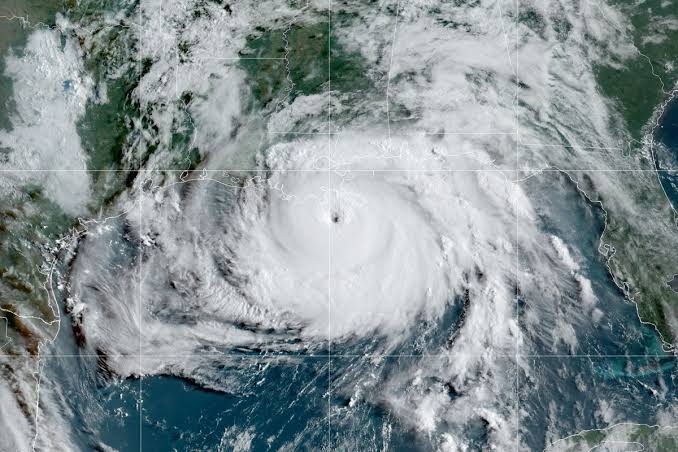
The devastating storm in the north-eastern United States (U.S.) in the aftermath of Hurricane Ida killed at least 36 people, local authorities said on Thursday.
New Jersey Governor Phil Murphy said on Thursday evening that “at least 23 New Jerseyans have lost their lives to this storm,” while New York City Mayor Bill de Blasio said 13 New Yorkers died due to the storm.
People were also said to have died in neighbouring Pennsylvania, and Maryland.
Murphy said that the majority of the deaths in his state “were individuals who got caught in their vehicles by flooding and were overtaken by the water.”
De Blasio asked New Yorkers to “stay off the roads as much as possible and let our crews finish the clean up and get our city back up and running.”
Remnants of tropical storm Ida have wreaked havoc across the U.S. east coast, with record floods in New York City.
Governor Kathy Hochul said she formally requested a Federal Emergency Declaration “for 14 downstate counties following damage caused by last night’s historic weather event.”
New York’s subway traffic was still partially halted on Thursday evening, after some stops had been completely flooded earlier.
In neighbouring New Jersey, the storm had uncovered roofs and damaged houses, as shown on videos broadcast on TV.
Both Newark Airport in New Jersey and New York’s John F Kennedy Airport reported disruption due to the storm
Flights at Newark Airport in New Jersey had been temporarily suspended, while New York’s John F Kennedy Airport reported hundreds of delays.
Some 100,000 households in the region were temporarily without electricity.
Late on Wednesday, de Blasio had declared a state of emergency in New York City after record rainfall.
Hochul also announced a state of emergency and also urged people to remain at home.
Fuelled by the remnants of tropical storm Ida, Wednesday was “the wettest day on record for Newark and LaGuardia, 3rd wettest at Bridgeport, and 5th wettest at Central Park,” according to the National Weather Service (NWS).
Ida pulverised the previous record that tropical storm Henri had only set a week ago with 49 millimetres of rain in 60 minutes.
Overall, the summer of 2021 has not only been very hot and sunny in New York City, but also the rainiest in its history.
Meanwhile, President Joe Biden has approved emergency declarations in the states of New York and New Jersey, paving way for the states to receive much-needed federal assistance.
The devastating storm in the North-Eastern U.S. in the aftermath of Hurricane Ida killed no fewer than 36 people, local authorities said on Thursday.
Biden pledged robust federal help for the Northeastern and Gulf states battered by Hurricane Ida and for Western states beset by wildfires — with the catastrophes serving as deadly reminders that the “climate crisis” has arrived.
“The past few days of Hurricane Ida and the wildfires in the West and the unprecedented flash floods in New York and New Jersey is yet another reminder that these extreme storms and the climate crises are here.
“We need to be much better prepared. We need to act,” President Biden said in a statement from the White House.
In New York, the emergency declaration authorises the Federal Emergency Management Agency to provide disaster relief efforts to the counties mostly affected.
In New York, the counties include those of Bronx, Dutchess, Kings, Nassau, New York, Orange, Putnam, Queens, Richmond, Rockland, Suffolk, Sullivan, Ulster, and Westchester.
For New Jersey, the areas include Atlantic, Bergen, Burlington, Camden, Cape May, Cumberland, Essex, Gloucester, Hudson, Hunterdon, Mercer, Middlesex, Monmouth, Morris, Ocean, Passaic, Salem, Somerset, Sussex, Union, and Warren.
Biden is promising help for victims of Ida’s remnants in those areas.
Biden said he would further press the Congress to pass his nearly one trillion dollars infrastructure bill to improve roads, bridges, the electric grid and sewer systems.
The proposal intends to ensure that the vital networks connecting cities, states and the country as a whole can withstand the flooding, whirlwinds and damage caused by increasingly dangerous weather.
Ida was the fifth-most powerful storm to strike the U.S. when it hit Louisiana on Sunday with maximum winds of 150 mph, likely causing tens of billions of dollars in flood, wind and other damage, including to the electrical grid.
The storm’s remnants dropped devastating rainfall across parts of Maryland, Pennsylvania, New York and New Jersey on Wednesday, causing significant disruption to major population centers.
Even though historic rainfall, tornadoes and savage winds have left the region, the grim death toll could continue to climb further Friday as emergency crews navigate flooded homes and cars.