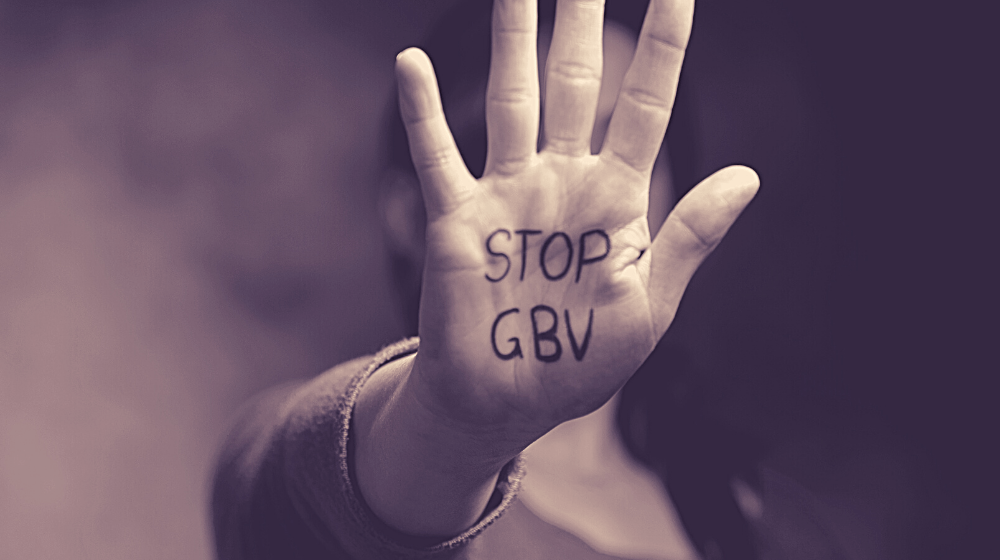
A Nigerian legal practitioner, Mrs Adaku Mbama, has raised concerns over the difficulties faced by survivors of gender-based violence (GBV) in securing justice, warning that weak enforcement, lengthy court processes and inadequate investigative resources continue to undermine prosecution efforts.
Mbama, the pioneer chairperson of the International Federation of Women Lawyers (FIDA), Badagry Branch, said Nigeria has established important laws to address sexual and domestic violence, but gaps in their implementation remain a major obstacle.
She explained that the challenge goes beyond the existence of legislation, as many survivors struggle to navigate the justice system because of institutional weaknesses, financial limitations and social pressure.
Weak Enforcement Undermines Gender-Based Violence Laws
According to the lawyer, the Violence Against Persons (Prohibition) Act, enacted in 2015, provides significant legal protection against several forms of abuse, including rape, domestic violence, female genital mutilation, stalking and economic abuse.
However, she observed that differences in how states adopt and enforce the legislation have created inconsistencies in the protection available to survivors across Nigeria.
Mbama said inadequate funding, limited institutional capacity and poor coordination among agencies responsible for investigating and prosecuting cases continue to affect the effectiveness of the law.
Evidence Collection and Court Delays Frustrate Survivors
The legal practitioner identified difficulties in obtaining medical documentation, forensic evidence and legal assistance as major reasons gender-based violence cases often fail to progress successfully through the courts.
She noted that survivors may report incidents to the police but encounter delays because investigators lack appropriate evidence-collection equipment or access to timely medical examinations.
Prolonged legal procedures, including delays in prosecutorial advice and court hearings, can further weaken cases and discourage complainants from continuing.
Mbama explained that these setbacks, combined with pressure from relatives, sometimes lead to the withdrawal or dismissal of cases before the courts can determine responsibility.
Stigma and Family Pressure Discourage Reporting
Beyond legal and administrative difficulties, Mbama highlighted the influence of social attitudes on the willingness of survivors to seek justice.
She said fear of public criticism, victim-blaming and inadequate witness protection often prevent individuals from reporting abuse or cooperating with investigations.
Economic dependence was also identified as a serious challenge, particularly where the alleged perpetrator provides financial support to the survivor or other family members.
In some situations, she added, relatives, community leaders and religious figures encourage private settlements rather than allowing criminal complaints to proceed through the justice system.
Such pressure can leave survivors without meaningful legal remedies and may contribute to continued abuse.
Lagos, Ekiti, Kaduna and FCT Record Improvements
Despite the challenges, Mbama acknowledged progress in some parts of the country where targeted interventions have strengthened responses to gender-based violence.
She identified Lagos, Ekiti and Kaduna states, alongside the Federal Capital Territory, as jurisdictions where specialised judicial arrangements, Sexual Assault Referral Centres and improved legal support have contributed to better institutional responses.
The availability of trained prosecutors and assistance for survivors has also helped strengthen efforts to address sexual and gender-based violence.
However, she maintained that these improvements must be supported by sustained investment and effective coordination to achieve wider results.
Lawyer Calls for Stronger Prosecution and Survivor Protection
Mbama urged government authorities and relevant institutions to focus on practical reforms that would improve investigations, prosecutions and protection for survivors.
She recommended increased funding for gender-based violence response services, improved forensic facilities, specialised courts and better training for police officers handling sensitive cases.
The lawyer also called for dedicated prosecutors, effective sex offenders’ registers and stronger safeguards for witnesses and survivors throughout legal proceedings.
She emphasised that meaningful progress would depend not only on strengthening existing laws but also on providing the resources, professional capacity and institutional support needed to enforce them.
Her remarks underscore the continuing need for a justice system that responds promptly to gender-based violence complaints, protects survivors and ensures that allegations are investigated fairly and thoroughly.