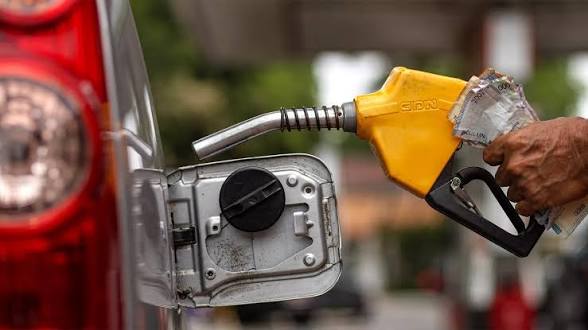
Motorists in the Federal Capital Territory (FCT) have criticised oil marketers over the continued high cost of petrol, despite a decline in global crude oil prices.
Many residents say filling stations across Abuja have not reflected the recent drop in international oil prices in their pump rates, raising concerns over pricing transparency in Nigeria’s downstream petroleum sector.
The News Agency of Nigeria (NAN) reports that global crude oil prices have dropped significantly from about $150 per barrel to below $80 per barrel, following easing tensions between the United States and Iran.
The development has triggered expectations of reduced fuel prices in Nigeria’s domestic market.
However, motorists say retail prices remain high, with only a few stations making adjustments.
Following the global price movement, the Dangote Petroleum Refinery reportedly reduced its petrol gantry price by N75 per litre, citing lower crude costs.
Despite this adjustment, consumers say the impact at filling stations remains limited.
Market checks in Abuja showed significant price differences across fuel stations.
While outlets such as MRS filling stations reportedly sold petrol between ₦1,241 and ₦1,261 per litre, other retailers were seen selling between ₦1,335 and ₦1,360 per litre.
This variation has further fueled public frustration over inconsistent pricing.
The Petroleum Products Retail Outlets Owners Association of Nigeria (PETROAN) had earlier urged importers and marketers to reflect global price reductions in local markets.
PETROAN President, Mr Billy Gillis-Harry, said falling crude prices present an opportunity to ease the burden on consumers.
However, the Independent Petroleum Marketers Association of Nigeria (IPMAN) said pricing delays are largely due to operational and financial constraints.
IPMAN National Publicity Secretary, Mr Chinedu Ukadike, explained that many marketers who bought fuel at higher prices cannot immediately reduce pump prices without incurring losses.
He noted that Nigeria’s deregulated market exposes marketers to risks without government compensation mechanisms.
Ukadike also cited rising costs of loans, insurance, and logistics as major factors affecting fuel pricing.
To stabilise the downstream sector, IPMAN called for the establishment of a Petroleum or Energy Bank to support marketers with affordable financing.
Ukadike also urged the Federal Government to revive local refineries, including Port Harcourt and Kaduna refineries, to boost domestic supply and reduce price volatility.
He said increased local refining would enhance competition and help stabilise fuel prices nationwide.