



The Federal Government has increased annual admission into Nigerian medical schools from approximately 5,000 to 12,000 students, as part of efforts to address the country’s growing shortage of healthcare professionals.
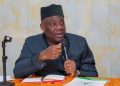
Minister of Education, Dr Tunji Alausa, disclosed this on Saturday during the inauguration of a newly constructed 192-bed hostel at the College of Medicine, University of Ibadan (UI).
Representing President Bola Ahmed Tinubu at the event, Alausa said the government was working towards increasing annual medical student admissions to more than 20,000 by the end of 2028.
He explained that the expansion was designed to strengthen Nigeria’s healthcare workforce, particularly at a time when the migration of doctors and other medical professionals continues to place pressure on the country’s health system.
According to the minister, the number of students admitted into medical schools annually has risen significantly since the Tinubu administration assumed office in May 2023.
He said the government intended to sustain the expansion over the next two years, with a target of producing a larger pool of qualified medical graduates to serve the country’s growing healthcare needs.
Alausa also disclosed that admission into nursing programmes had increased from approximately 28,000 students annually to more than 130,000.
He described the developments as evidence of the government’s efforts to expand the training capacity of Nigeria’s healthcare education system.
Beyond medicine and nursing, the minister said admission opportunities had also increased in dentistry, pharmacy, physiotherapy and other allied health disciplines.
He noted that expanding enrolment required corresponding investments in educational infrastructure to ensure that institutions could accommodate additional students without compromising the quality of training.
The minister identified student accommodation, improved learning facilities and the rehabilitation of existing infrastructure as important components of the government’s expansion programme.
He said the Federal Government was implementing these interventions through the Nigeria Education Sector Renewal Initiative, which covers the construction and rehabilitation of schools, expansion of medical training facilities and modernisation of engineering workshops.
Alausa further disclosed that the administration had committed close to N500 billion to educational infrastructure.
He also highlighted the role of the Nigerian Education Loan Fund (NELFUND) in improving access to tertiary education, particularly for students from financially disadvantaged backgrounds.
The minister encouraged journalists to verify the reported increase in medical and nursing admissions through the relevant professional regulatory institutions, including the Nursing and Midwifery Council of Nigeria.
The government’s latest announcement comes amid continuing concerns about the availability of qualified healthcare personnel, the migration of Nigerian professionals and the capacity of universities and teaching hospitals to train the next generation of medical practitioners.
While the planned increase in admissions could strengthen the country’s long-term healthcare workforce, its success will depend on adequate funding, teaching facilities, clinical training capacity and the availability of qualified academic and medical personnel.